The secret to a durable, weather-resistant outdoor structure lies beneath the surface, according to a recent announcement from Outdoor Living Today. The company has introduced a comprehensive resource aimed at eliminating the confusion and guesswork often associated with building a stable base for backyard sheds. Whether property owners consider themselves seasoned do-it-yourself enthusiasts or are tackling an outdoor construction project for the first time, the newly highlighted procedures provide a clear roadmap for establishing a sturdy, level foundation.
Industry experts have long maintained that a solid foundation is the single most critical element in preventing structural shifting, door misalignment, and premature wear over time. Without a properly prepared base, even the highest-quality timber structures can succumb to shifting soils, moisture accumulation, and uneven settling. To address these challenges, Outdoor Living Today has outlined a structured approach that breaks the initial preparation phase down into manageable actions, offering multiple foundation types tailored to different terrain, budgets, and skill levels.
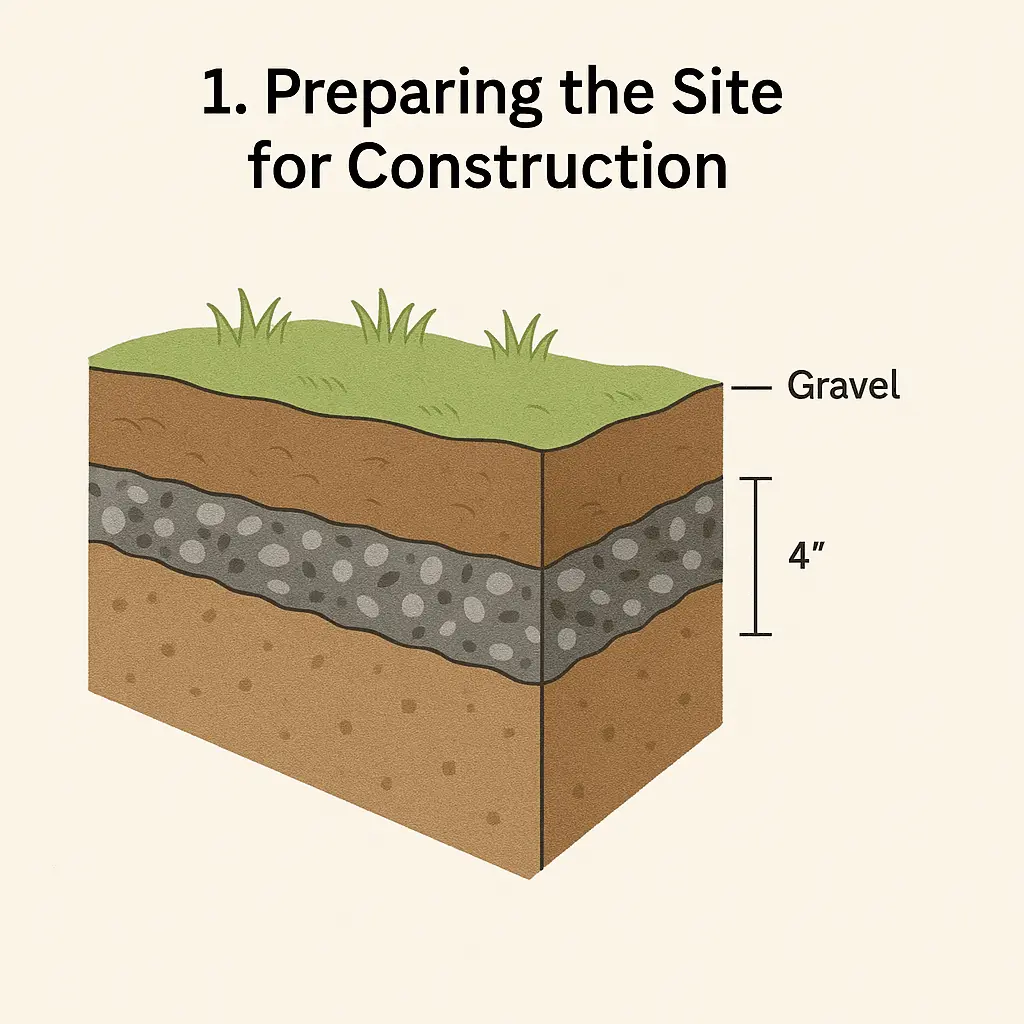
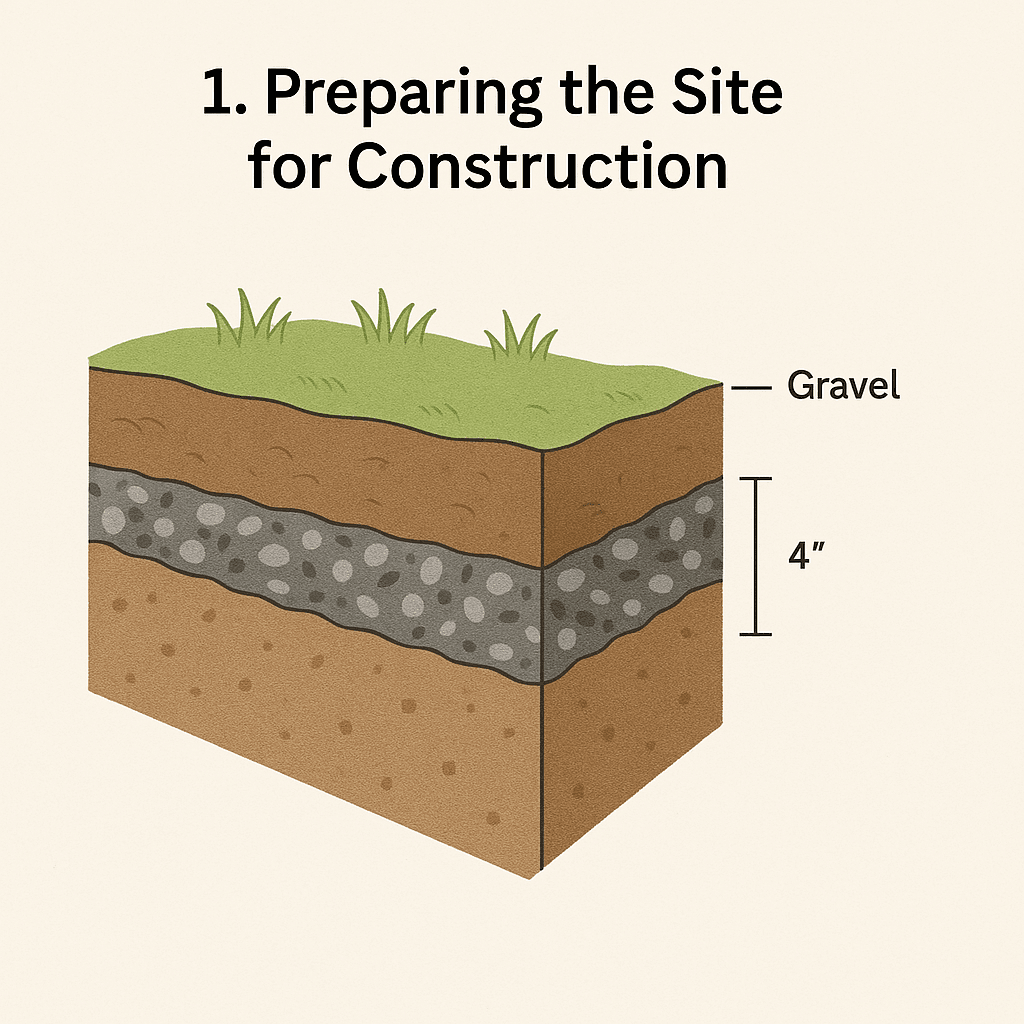
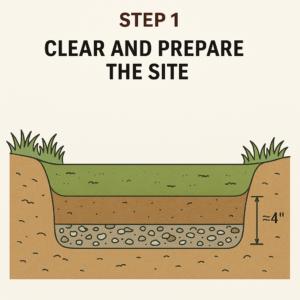
The process begins well before any prefabricated shed kit arrives at a property. The initial phase focuses heavily on thorough site clearance and preparation. Builders are advised to clear the designated area completely of all debris, organic matter, root systems, and topsoil that could eventually decompose and cause the ground to settle unevenly. Achieving a level surface at this stage prevents structural complications later in the assembly process. To enhance long-term durability, professionals recommend integrating a layer of landscape fabric beneath a bed of crushed gravel. This strategic addition serves a dual purpose: it acts as an effective barrier against intrusive weed growth while mitigating soil shifting caused by freeze-thaw cycles and heavy rainfalls.
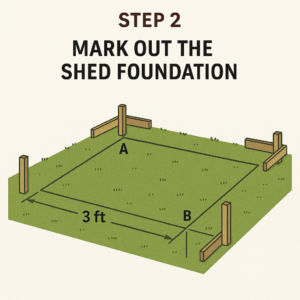
Once the site is cleared and leveled, the focus shifts to precisely marking out the perimeter of the shed foundation. Accuracy during this layout phase is paramount, as a square base ensures that walls, roofs, and doors fit together seamlessly during final assembly. Builders grappling with the geometry of right angles can take advantage of various modern tools, including specialized mobile applications and online calculators designed to verify square corners using specific shed dimensions. Taking the extra time to measure diagonals and confirm squareness prevents costly structural misalignments later on.
When it comes to selecting the actual base, Outdoor Living Today emphasizes that property owners have several viable options depending on their specific site conditions and personal preferences. Three primary foundation types are recommended, each offering distinct advantages for different environmental conditions.
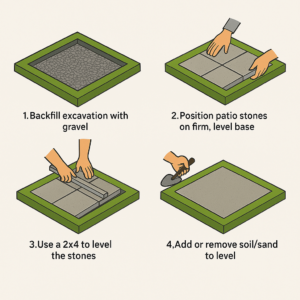
The first option, a patio stone foundation, is widely favored for its simplicity and flexibility. This approach involves laying a stable, compacted gravel base topped with uniform patio pavers to create an elevated platform. It is praised by builders for being quick to install, relatively inexpensive, and easy to modify, adjust, or relocate should the landscape requirements change in the future.
For those looking for a slightly elevated wooden alternative, a four-by-four pressure-treated beam foundation offers robust support. This method utilizes heavy-duty, treated timbers arranged to distribute the weight of the structure evenly while elevating the floor joists off the damp earth. A significant benefit of this approach is the natural air circulation it permits underneath the structure. Leaving open space for ventilation beneath the floor system helps reduce trapped moisture and significantly deters wood rot, extending the lifespan of the timber components.
For maximum permanence and durability, a concrete slab foundation remains the gold standard. Pouring a reinforced concrete pad delivers unbeatable structural stability, superior weight capacity, and permanent resistance to pests, burrowing animals, and heavy moisture. While more labor-intensive and permanent than stone or timber skids, a concrete slab provides an unyielding, perfectly flat plane that anchors the entire outdoor building securely against severe weather events.
Before breaking ground, industry advisors urge builders to review all available documentation. While general best practices apply to nearly all outdoor construction projects, individual product designs often feature unique engineering requirements and weight distribution specifications. Property owners are strongly encouraged to consult the specific product assembly manuals included with their kits or provided through official manufacturing resources to ensure their chosen foundation aligns precisely with the engineering demands of their model.