As the autumn air settles over New York City, the art world finds itself swept into a dynamic cadence of major exhibitions, critical reckonings, and profound personal reflections. In this week’s editorial newsletter, Hyperallergic Editor-in-Chief Hakim Bishara offers readers an intimate look into the intersection of daily life, grief, and the ever-shifting cultural landscape of the city, all while guiding audiences through the week’s most compelling stories in contemporary art, architecture, and criticism.
From thought-provoking profiles on legendary multimedia artists to long-overdue recognitions of historical figures, the latest weekly roundup captures a moment of deep introspection within the creative community. Whether examining the ways historical trauma echoes into the present or finding unexpected poetry on the sidewalks of Brooklyn, the publication continues to map out the complex emotional and intellectual terrain of our cultural moment.
Navigating Grief, Memory, and Urban Life
In his opening letter, Bishara sets a deeply personal tone, contrasting the frantic, automated rush of modern parenthood with the lingering, quiet weight of existential questions. Recounting a morning drive to kindergarten with his young son, René, Bishara reflects on a conversation about mortality and the absence of his own father. This meditation on loss weaves subtly through the editor’s week, coloring encounters across the city’s vibrant cultural hubs.
From an evening event hosted for members at the International Studio & Curatorial Program (ISCP) in Brooklyn—complete with contemplative fortune cookies carrying messages about giving and receiving—to a rainy afternoon in Bushwick listening to Michael Jackson while overhearing earnest conversations about history and liberation, everyday observations become meditations on humanity. These reflections ground the week’s hard news, linking the intimate scale of a father and son discussing life’s big questions to broader societal reckonings with history, such as the Milwaukee Art Museum’s recent repatriation of two storage jars to the descendants of Dave the Potter, the celebrated 19th-century Black artist who spent most of his life enslaved.
As the week unfolds, Bishara’s transit through the city—from a subway rider wearing a poignant, if obstructive, shirt celebrating religious coexistence to a tearful screening of the Edward Said documentary Between Worlds at the New York Film Festival—paints a portrait of a city grappling with identity. Standing before a luxury store window on Berry Street, catching his reflection alongside memories spanning from Jerusalem, Haifa, and Nazareth to New York and the face of his son, Bishara encapsulates the globalized, diasporic reality that informs so much of contemporary artistic discourse.
Arthur Jafa and the Pinnacle of Visual Assemblage
Among the prominent features highlighted in this week’s newsletter is Stephanie Wambugu’s incisive profile of Arthur Jafa, an artist whose boundary-pushing multimedia works have redefined contemporary visual culture. Titled "Arthur Jafa, King of Pop," the feature explores Jafa’s singular ability to channel eclectic cultural references, internet virality, and meme culture into towering works of collage and assemblage.
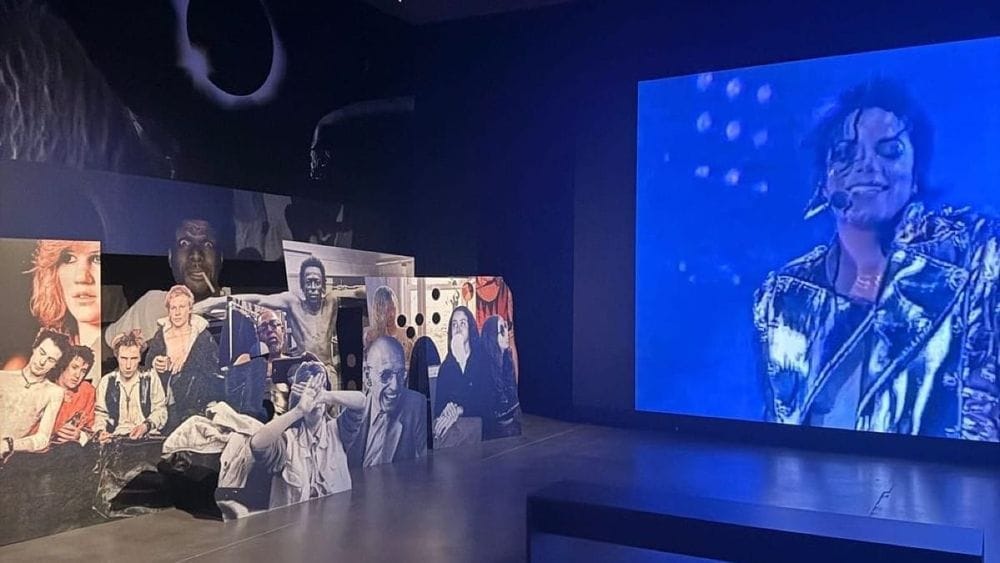
Jafa, celebrated internationally for his powerful video works and profound engagement with Black visual aesthetics and music history, continues to challenge audiences by dissecting the machinery of mass media. Wambugu’s analysis highlights how Jafa’s intuitive grasp of digital circulation allows him to elevate everyday moving images into monumental statements on race, beauty, and power. His work resonates deeply with the current cultural climate, serving as both a mirror to contemporary anxieties and a masterclass in modern visual synthesis.
Shifting Perspectives: From MacArthur Geniuses to Critical Appraisals
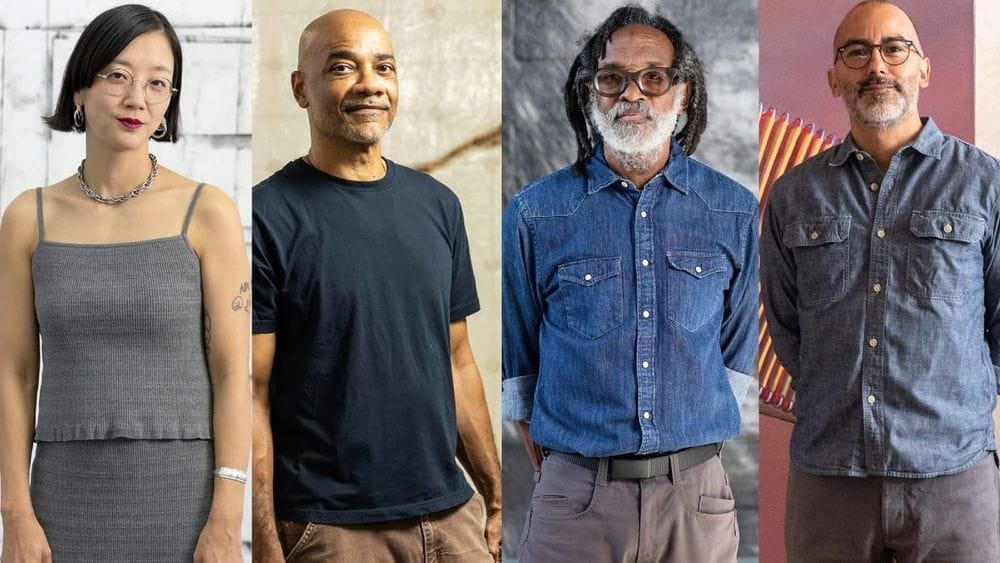
The broader news landscape captured by the publication points to a bustling season of institutional milestones and critical reevaluations. Recent announcements, including the naming of this year’s MacArthur Foundation "Genius" grant recipients, highlight the profound impact of visionary practitioners across disciplines. These awards continue to serve as a vital barometer for creative excellence, validating artists and scholars whose boundary-pushing endeavors challenge the status quo.
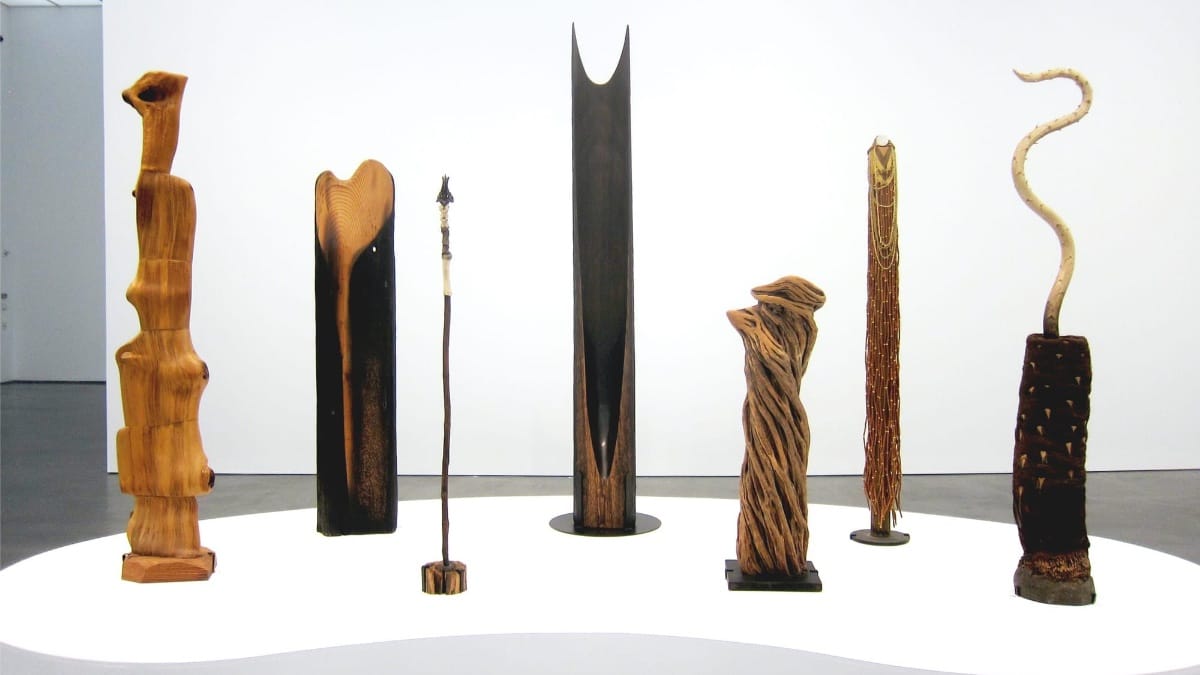
Meanwhile, the publication’s critics have turned their attention to foundational figures who shaped the postwar and contemporary landscape. A notable review dedicated to Kenzi Shiokava explores the artist’s uncompromising dedication to his craft, operating with an ethos rooted purely in the love of creation rather than commercial validation. Shiokava’s sculptural and painterly output stands as a testament to an authentic studio practice, offering a refreshing counterpoint to an increasingly market-driven art world.
Unearthing Forgotten Histories and Architectural Legacies
History and its omissions remain a central theme in the current cultural conversation, most notably addressed in recent critical opinion pieces exploring the built environment. A standout essay featured this week tackles the story of an unsung Black architect whose vital contributions helped shape a landmark Smithsonian museum. For decades, the foundational labor and creative vision of Black architects have been sidelined in mainstream architectural histories. By unearthing these overlooked narratives, contemporary writers and researchers are rewriting the canon, ensuring that the physical spaces we inhabit acknowledge the diverse hands that built them.
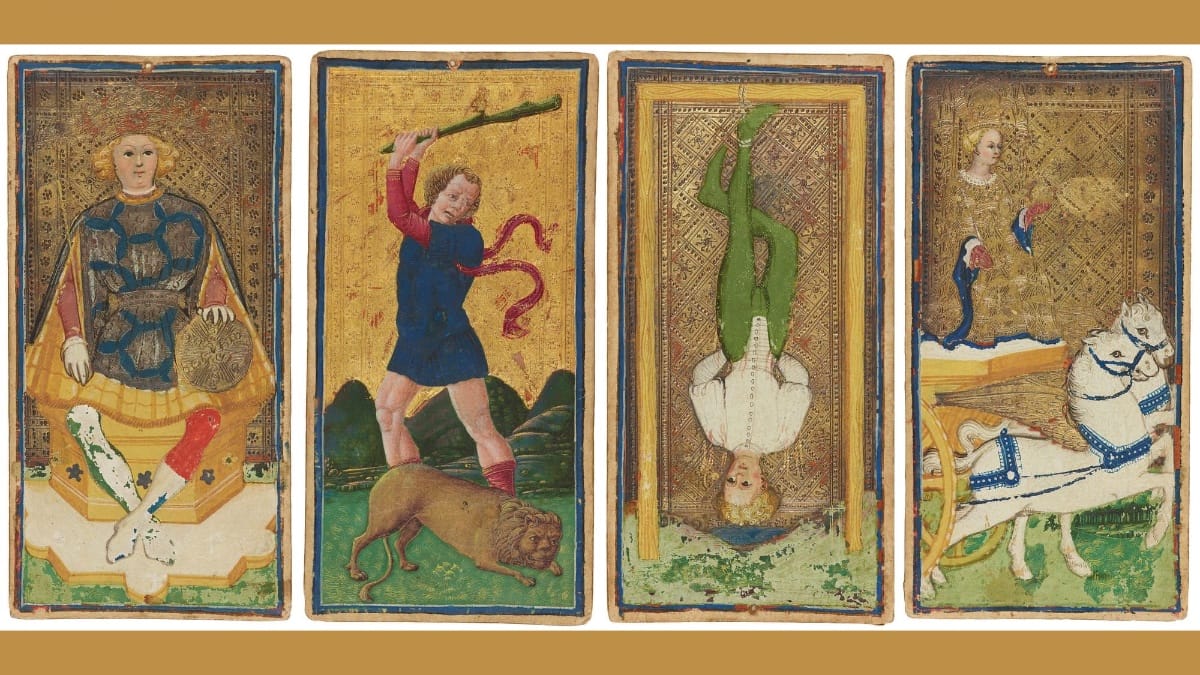
This retrospective lens also informs the seasonal transition in the arts, captured creatively in Hyperallergic‘s newly released fall art tarotscope. Blending visual culture with playful yet incisive divinatory frameworks, the feature offers readers a thematic guide for navigating the emotional and professional challenges of the autumn equinox.
A View from the Studio and Opportunities Ahead
For artists seeking to sustain their practices through the changing seasons, the publication’s monthly opportunities list provides a crucial lifeline. Spanning residencies, fellowships, grants, and open calls from institutions such as ArtFields, The Image Centre, Millay Arts, and the Lower Manhattan Cultural Council, the resource remains an essential tool for cultural workers navigating the precarious economics of the contemporary art field.
Concurrently, the ongoing "A View from the Easel" series—featuring intimate glimpses into contemporary studio spaces, including recent work by artists like Lara Saget—brings the reader back to the tactile reality of paint, canvas, and material experimentation.
As the autumn winds carry New York deeper into its cultural calendar, this week’s dispatches remind us that art is not merely an object to be consumed in pristine white cube galleries, but a living, breathing mechanism through which we process grief, memory, history, and hope.






