As the autumn wind sweeps through the streets of New York, carrying with it the crisp scent of changing leaves and falling foliage, the city finds itself suspended between the echoes of high-stakes political shifts and the contemplative rhythm of its cultural institutions. Sitting outdoors at a local café, watching the leaves swirl and twirl in a merry dance before finding their final resting place on the pavement, the atmosphere feels quietly momentous. News has recently broken
of a sweeping Democratic victory in midterm elections across the nation, an electoral wave as fierce and striking as a maritime canvas by Gustave Courbet. Yet, despite the seismic political shift, there are no scenes of jubilation or champagne corks popping in the streets; instead, a heavy, observant calm prevails, marked only by the slow saunter of a pregnant black cat across the asphalt.
This juxtaposition of grand historical moments and intimate, everyday realities frames a week defined by deep cultural introspection. A routine dental appointment offers its own unexpected metaphors. Reclining in the dentist’s chair, the overhead television screen cycles through pristine, exotic vistas so idyllic they border on the artificial. Meanwhile, the treating dentist—a native of Lebanon—examines an X-ray of the patient’s mouth, dryly observing that the dental topography resembles Beirut at the height of its civil war. It is a striking reminder of how personal and geopolitical landscapes often mirror one another, bridging distant conflicts and domestic quietude through unexpected lenses.

Moving beneath a brooding gray sky over the Robert F. Kennedy Bridge, past the dark waters of the Harlem River, the journey leads to the Solomon R. Guggenheim Museum for Taryn Simon’s exhibition, Father Country I Do Love You. The show presents a chilling and meticulous exploration of American history through the lens of an FBI agent whose alleged career intersects with some of the most traumatic events in modern national memory. Cold, antiseptic photographs encased neatly in plexiglass construct a dense detective narrative, linking the enigmatic protagonist to the catastrophic explosion of TWA Flight 800, the September 11 terrorist attacks, the 1998 United States embassy bombing in Nairobi, and the impeachment proceedings of President Bill Clinton, among other milestones.
Trudging up the Guggenheim’s iconic spiraling white galleries, visitors are inevitably prompted to question the institutional framing of patriotism and power. The exhibition demands a significant amount of reading, though the sheer volume of text at times risks overwhelming the viewer, functioning almost as a barrier to deeper critical reflection. For those lacking the patience to parse the extensive wall texts, the museum offers an audio guide narrated by actor Jodie Foster. Down in the museum cafeteria, amidst the hum of visitors discussing the works over light bites, cultural crossovers continue; a woman bearing an uncanny resemblance to actress Judi Dench can be overheard declaring her love for storytelling just before biting into a chocolate croissant. On the way out, visitors are met with the familiar institutional grievance of being funneled directly through the museum gift shop to maximize commerce—a capitalist rite of passage that still yields a purchase of a modest Guggenheim tote bag. Outside, on the manicured lawns of the Upper East Side, a humble sign offers a gentle plea to the public: "Please don’t sit on the flowers."
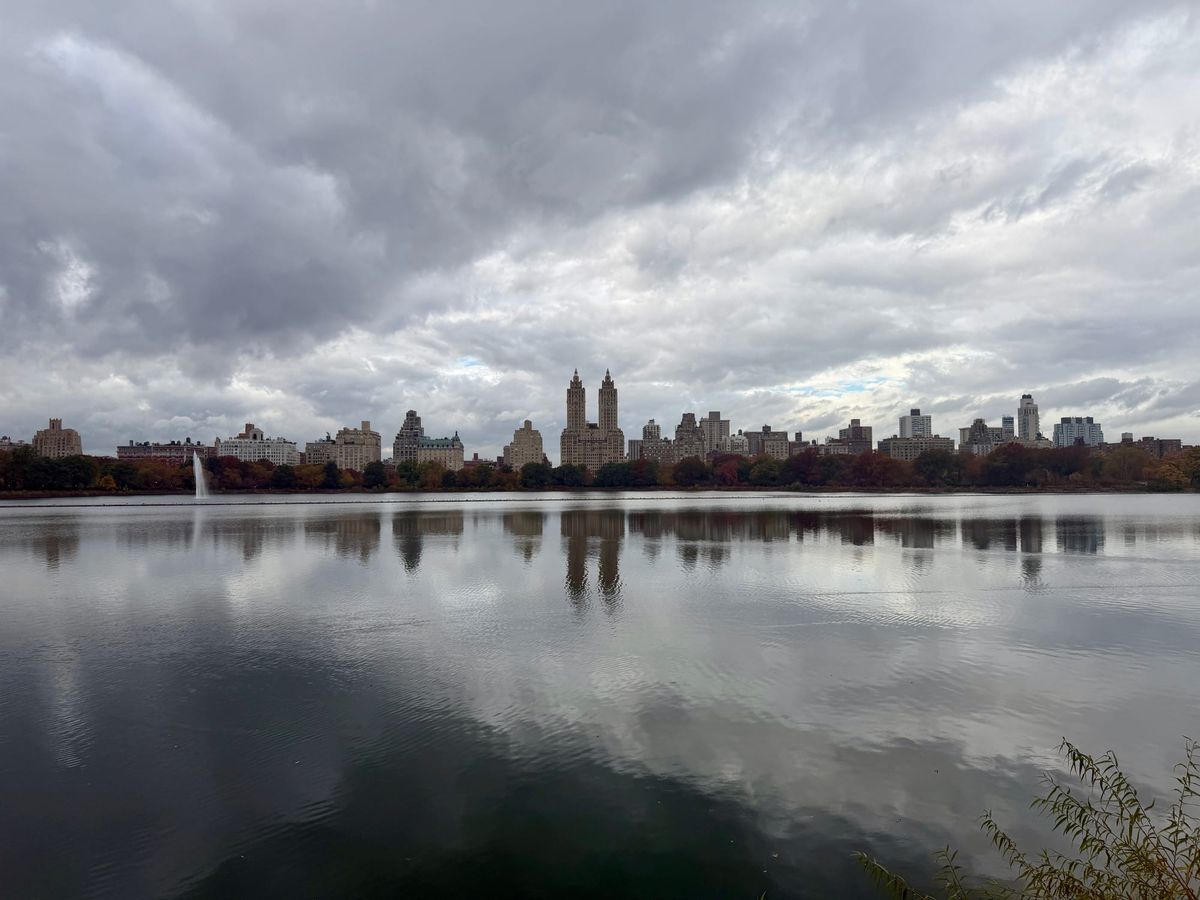
Crossing the street into Central Park through Engineers’ Gate, past the gilded bust of former New York City Mayor John Purroy Mitchel, the path winds toward the serene expanse of the Jacqueline Kennedy Onassis Reservoir. The walk stirs reflections on the weight of political dynasties, contemporary leadership, and the themes of institutional memory explored in Simon’s work. Nearby, a park maintenance worker meticulously collects brown leaves into plastic bags, tossing them into a utility truck wrapped in a vibrant photographic mural of green foliage—a stark artificial simulation of life replacing the organic decay of autumn. Nearby, a mother struggles to capture a photograph of her reluctant child, who steadfastly refuses to pose. When the child throws a tantrum and falls to the ground, he ends up, quite ironically, sitting directly on the protected flowers, much to his mother’s shock.
Beyond the personal wanderings of the city, the broader cultural landscape this week is charged with significant developments, controversies, and institutional reckonings across the global art world.
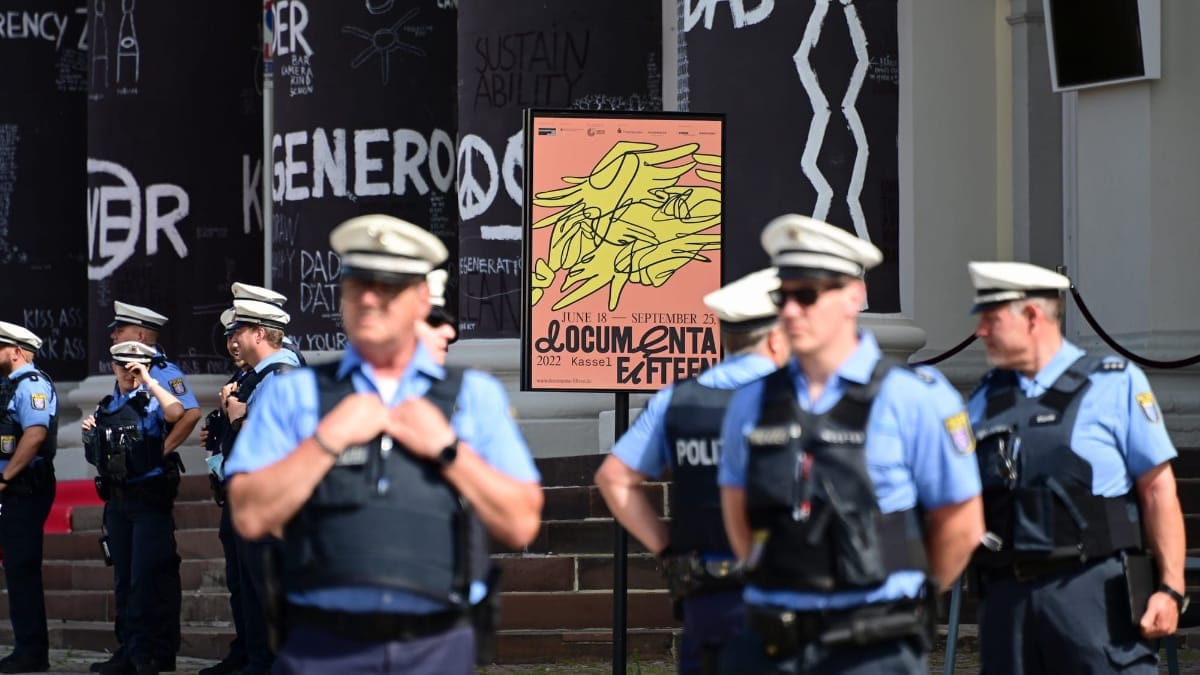
So You’ve Been Invited to Documenta 16. Here’s Our Advice.
Over the past few months, several artist friends who have been invited to participate in the upcoming documenta 16 have contacted cultural critics and past participants for advice, wrestling with whether they should accept the invitation, refuse early on, or accept provisionally and withdraw at a later stage. As artists who participated in documenta 15 note, this is far from a straightforward dilemma. An invitation to documenta is an immense career milestone that cannot be received thoughtlessly, making it extraordinarily difficult to turn down. Yet, given the complex political and institutional pressures surrounding the prestigious exhibition in recent years, it has simultaneously become increasingly difficult to accept without deep hesitation.
News
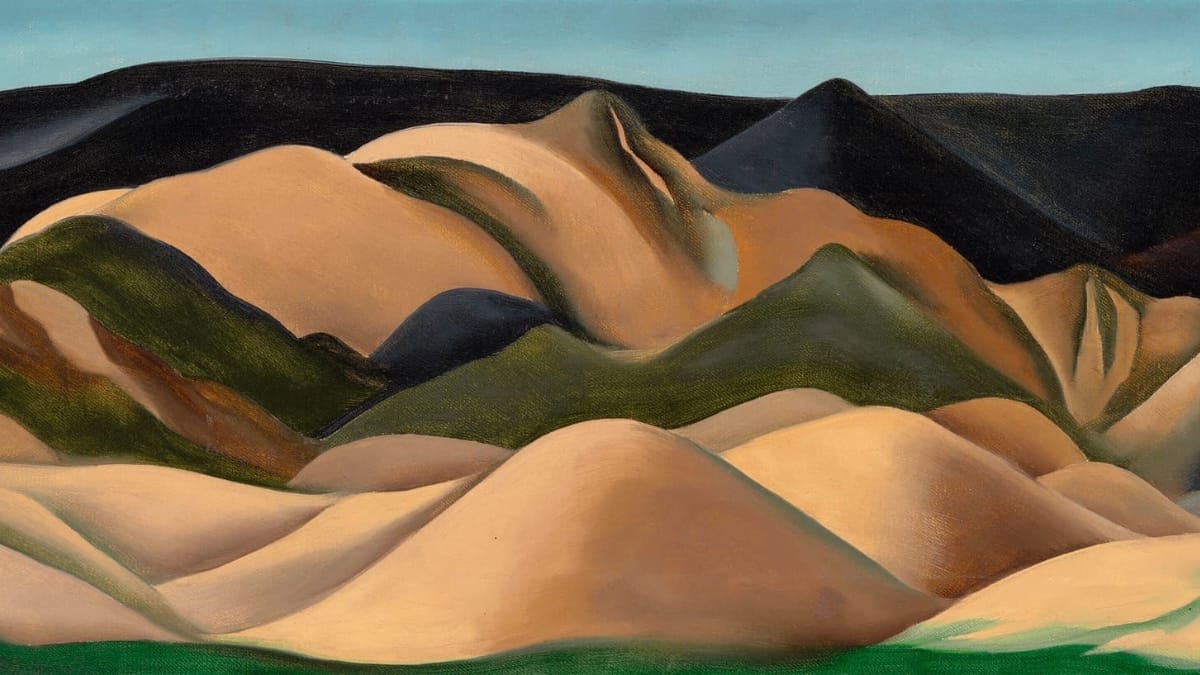
In the wider art market and museum sector, news has surfaced regarding significant discoveries and institutional missteps. Among the most notable market developments is the emergence of a long-lost Georgia O’Keeffe landscape, which is now heading to auction. The rare painting, long absent from the public eye and historical record, offers collectors and scholars a fresh look at the pioneering American modernist’s early engagement with nature and topography, promising intense competition when it hits the block.
From Our Critics
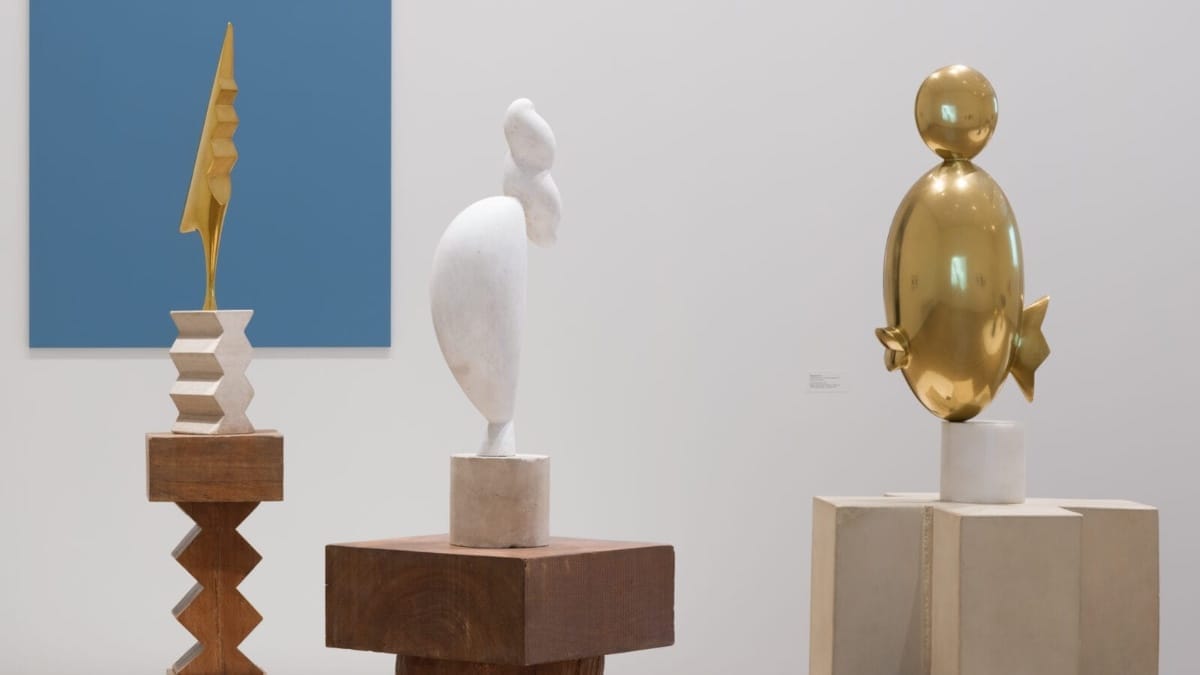
Meanwhile, critical attention in New York is fixed upon the Museum of Modern Art (MoMA), where a major presentation of works by Constantin Brancusi has sparked considerable debate. According to recent reviews, the legendary modernist sculptor appears somewhat lost within the expansive gallery spaces of the museum. Critics argue that the installation struggles to capture the intimate, studio-like synergy that defined Brancusi’s original working environment in Paris, where the placement of his pedestals, tools, and sculptures formed an interconnected ecosystem rather than isolated museum objects.
Midterms Recap
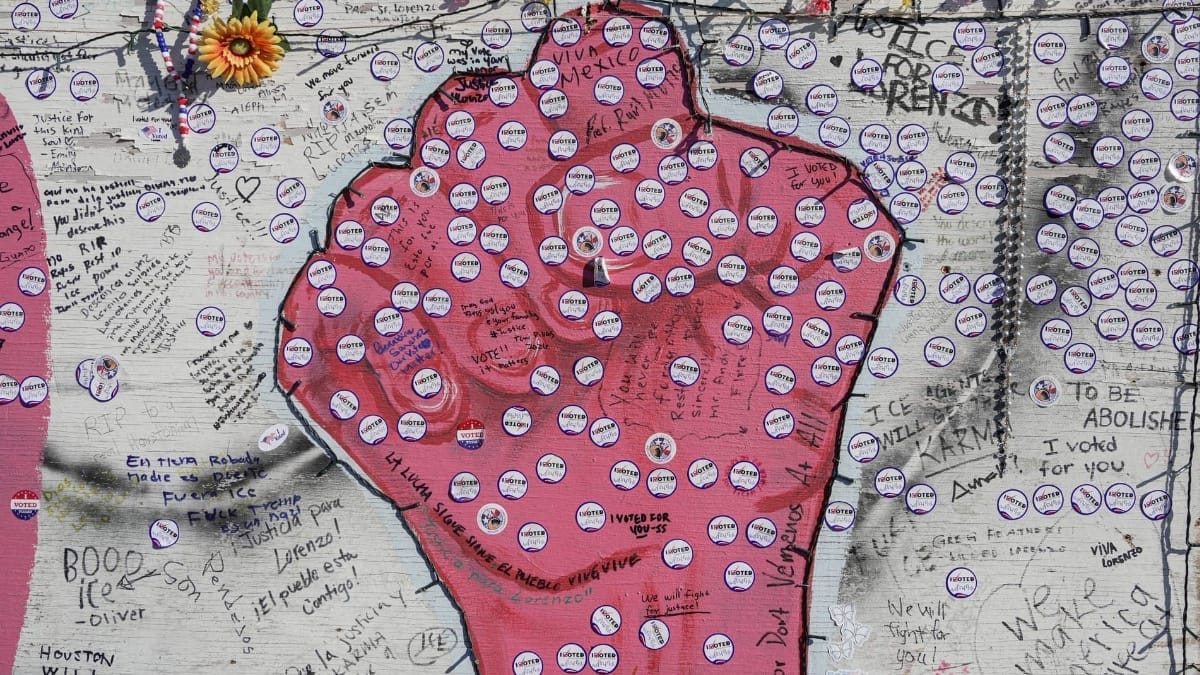
As the dust settles on the recent midterm elections, the intersection of civic participation and public art has taken unexpected forms. Across various urban centers, citizens participating in the democratic process have begun placing their "I Voted" stickers directly onto public monuments and informal memorials dedicated to victims of immigration enforcement agencies. This grassroots gesture has transformed standard civic markers into sites of political expression, prompting civic authorities and cultural observers to reexamine the evolving role of public space during periods of heightened political tension.
Opinions & Features
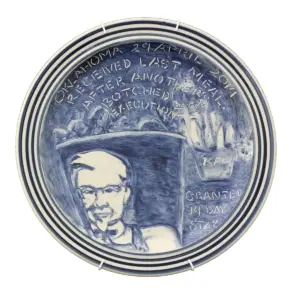
In the realm of public art and civic accountability, recent features examine works designed to outlast political rhetoric. As elected officials and political figures routinely break campaign promises, specific public art installations have stepped into the void, serving as living archives of public commitments. These projects track, record, and immortalize the statements made by those in power, ensuring that accountability persists long after the political news cycle has moved on.
Interview
In a profound and sweeping interview this week, renowned Colombian artist Doris Salcedo reflects on her native country’s ongoing struggle with historical trauma, memory, and political violence. Salcedo discusses Colombia’s persistent refusal to forget the atrocities of its civil conflict, emphasizing that art must act as a persistent witness to grief and loss in societies striving for reconciliation. Her sculptural installations, built from everyday domestic objects charged with sorrow, continue to challenge institutional amnesia on a global scale.
Guides
For those looking to escape the dense urban environment of New York City, seasonal cultural guides highlight the top ten art exhibitions to visit across Upstate New York this November. From converted barns housing contemporary installations to regional museums showcasing regional modernist painters, the Hudson Valley and surrounding areas offer a robust autumnal itinerary for art enthusiasts seeking contemplative spaces outside the metropolis.
As the cultural calendar moves deeper into the autumn season, the dialogue between art, politics, and daily life continues to unfold across the city’s galleries, parks, and public squares, reflecting a society urgently negotiating its past while standing on the precipice of its future.