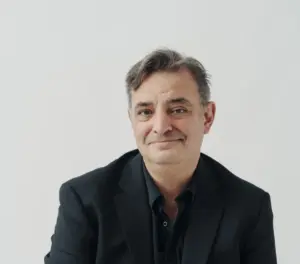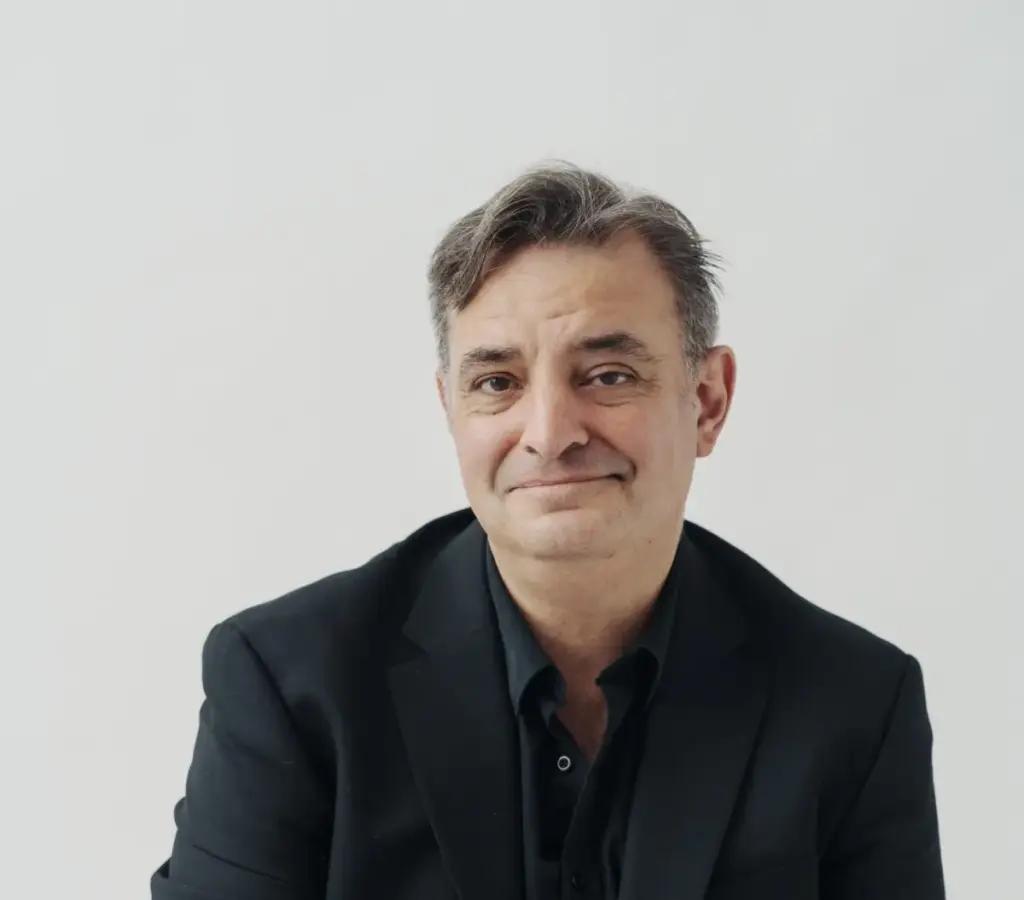
Renowned artist, educator, and writer Pablo Helguera has officially stepped into his new role as the director of the Vera List Center for Art and Politics (VLC) at The New School. Helguera takes over the prestigious position from Carin Kuoni, who served as the center’s senior director and chief curator for 22 years, guiding the arts-driven research hub through more than two decades of critical discourse at the intersection of art, politics, and society. In addition to leading the Vera List Center, Helguera has also been appointed as the director of the university’s extensive art collection, which comprises over 2,000 postwar and contemporary works by celebrated artists.
Helguera formally assumed his new responsibilities on Monday, November 2. His appointment follows six years of dedicated service at The New School, where he worked as an assistant professor and director of the Arts Management and Entrepreneurship graduate program within the university’s College of Performing Arts. Prior to his tenure at The New School, Helguera accumulated extensive leadership experience in institutional settings, notably serving as the director of adult and academic programs at the Museum of Modern Art (MoMA) in New York City for over a decade. This deep background in both higher education and major museum administration positions him uniquely to lead a research center that bridges academic inquiry, public programming, and contemporary artistic practice.
Upon his appointment, Helguera reflected on the profound urgency he feels in the current cultural and political landscape. He emphasized the critical necessity for artists and intellectuals to “make sense of rapidly unfolding events, question prevailing narratives, and imagine alternative futures.” This philosophy aligns closely with the mission of the Vera List Center, which has long operated as a dynamic incubator for politically engaged art, supporting projects and research that challenge existing power structures and address pressing global issues.
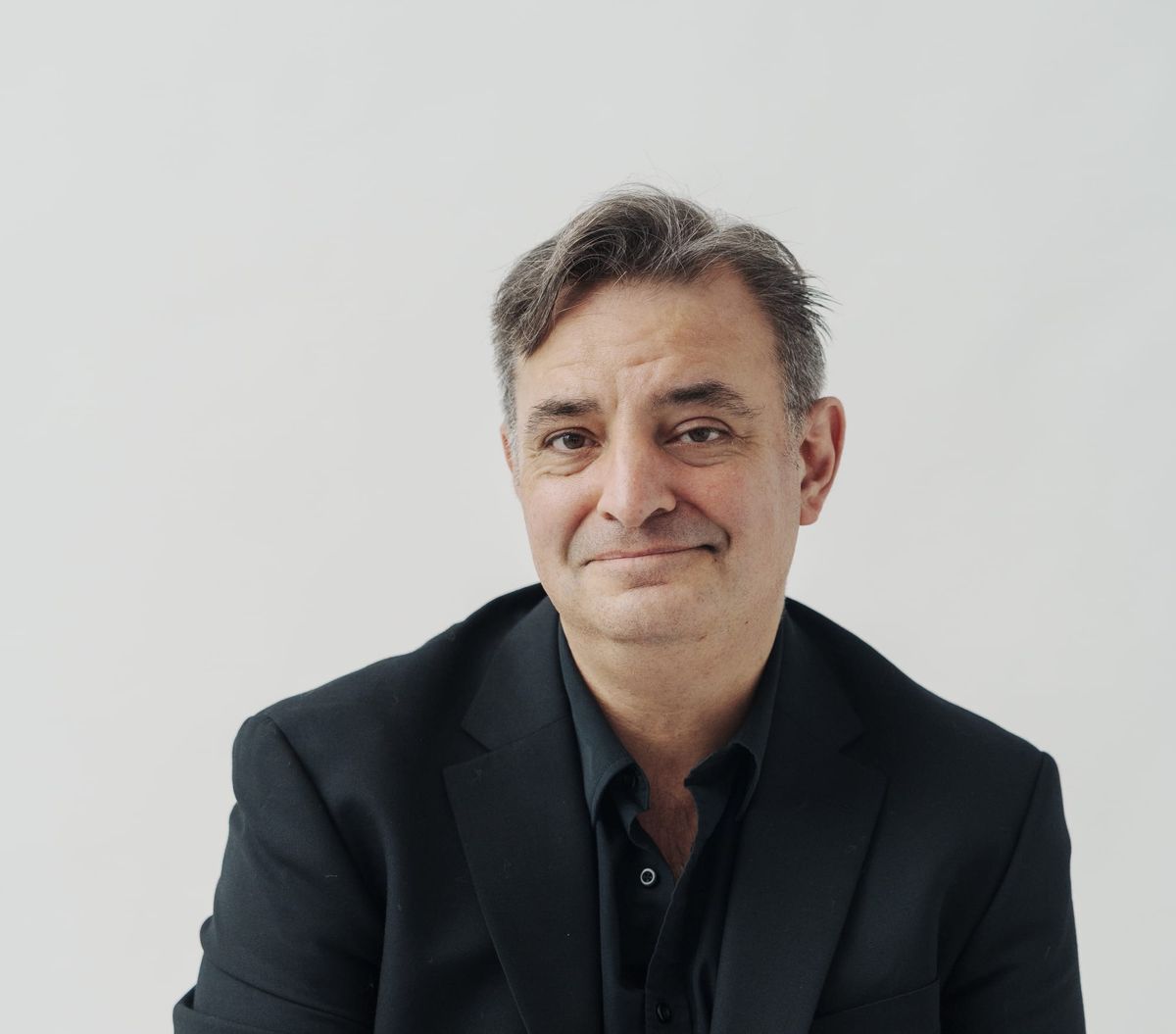
Helguera’s own multidisciplinary artistic practice serves as a testament to his commitment to social engagement, public performance, pedagogy, and community dialogue. Working across archival research, installation, traditional media, and participatory events, his projects frequently examine the social, ideological, and cultural frameworks of language and communication. Among his most celebrated and ambitious works is The School of Panamerican Unrest, a monumental 2006 project that took the form of a cross-continental road trip spanning from Anchorage, Alaska, all the way to Ushuaia, the capital of Argentina’s southernmost Tierra del Fuego province. The journey encompassed over 100 public engagement events held across 25 cities in 20 different countries, fostering transnational conversations and cultural exchanges along the way.
Another notable project in Helguera’s extensive portfolio is Librería Donceles, a traveling used bookstore featuring thousands of Spanish-language texts that has visited 13 countries. Designed as a living archive and a social sculpture, the project explores the circulation of knowledge, language, and immigrant experiences, further illustrating his interest in how educational models and public spaces can function as sites of artistic intervention. These large-scale, socially engaged works demonstrate a seamless integration of his artistic pursuits with his extensive background in education and public programming.
Throughout his distinguished career, Helguera has received numerous accolades and fellowships in recognition of his contributions to contemporary art and social practice. He was named a Guggenheim Fellow in 2008. Additional honors and institutional support include grants and fellowships from the Franklin Furnace Archive, Art Matters, Creative Capital, and A Blade of Grass, as well as an honorary doctorate from the Kansas City Art Institute. These honors underscore his standing as a leading voice in socially engaged art, an ethos he now brings to his leadership of the Vera List Center and the stewardship of The New School’s university-wide art collection.