The tenth edition of Sydney Contemporary has drawn to a close at Carriageworks, marking a significant milestone for Australia’s premier art fair. Set against the stark, industrial backdrop of the heritage-listed former Eveleigh Railway Workshops, the event served as a litmus test for the contemporary art market in the Asia-Pacific region. Despite lingering macroeconomic headwinds, the fair’s milestone anniversary was characterized by a measured yet determined energy, revealing a market that has matured significantly, favoring tangible craftsmanship and deliberate investment over speculative fervor.
Throughout the fair, the hybrid model of engagement proved to be more than a temporary adaptation; it has become an essential pillar of the modern gallery business. Galleries successfully combined the sensory, high-touch experience of physical fair presentations with sophisticated digital platforms to extend collector relationships well beyond the final day of the event. This dual-track approach allowed exhibitors to bridge the gap between initial discovery and long-term acquisition, ensuring that the momentum generated at Carriageworks carried over into post-fair negotiations.
Tactical Engagement and Primary Market Dynamics
The atmosphere within the cavernous halls of Carriageworks reflected a sophisticated collector demographic. While institutional figures, art advisory delegations, and design-sector professionals remained active, the middle market experienced a more contemplative pace. Buyers were notably more discerning, taking the time to weigh acquisitions carefully. However, this caution did not translate into stagnation. On the contrary, top-tier blue-chip placements and material-led practices demonstrated remarkable velocity, proving that high-quality, authentic work continues to command attention even in a cautious economic climate.
At China Heights, director Edward Woodley reported consistent sales activity that underscored the demand for specific, high-intent practices. The gallery’s momentum was anchored by Kyle Montgomery’s Crystal Mary series, which achieved a total sell-out, resulting in an extensive waiting list. The gallery also saw strong interest in Emmeline Joy Morris’s Flesh series of ceramics and managed to successfully re-engage a scarce collector base for the works of Max Berry. By offering a tiered price spectrum—ranging from AUD$1,000 (approximately USD$650) to AUD$30,000 (approximately USD$19,500)—China Heights effectively catered to a broad spectrum of visitors, from emerging enthusiasts to established patrons.
Other galleries reported similar success stories. Sotiris Sotiriou, founder of COMA, pointed to a shift in the collector profile, noting a rise in the engagement levels of private buyers from Australia and New Zealand. While the institutional presence was less overt, the private sector’s focus was sharp and decisive. COMA utilized the fair as a launchpad for the gestural canvases of Oliver Wagner, the ceramic works of Justin Williams, and the delicate works on paper by Renée Estée. Similarly, Ryan Renshaw, director of The Renshaws, described an palpable sense of enthusiasm, particularly during the high-energy VIP preview and opening events. The gallery’s presentation of works by Michael Zavros, alongside the debut of emerging artists Rebecca Diele and Alexi Cordes, resulted in significant sales and a high level of collector interest.
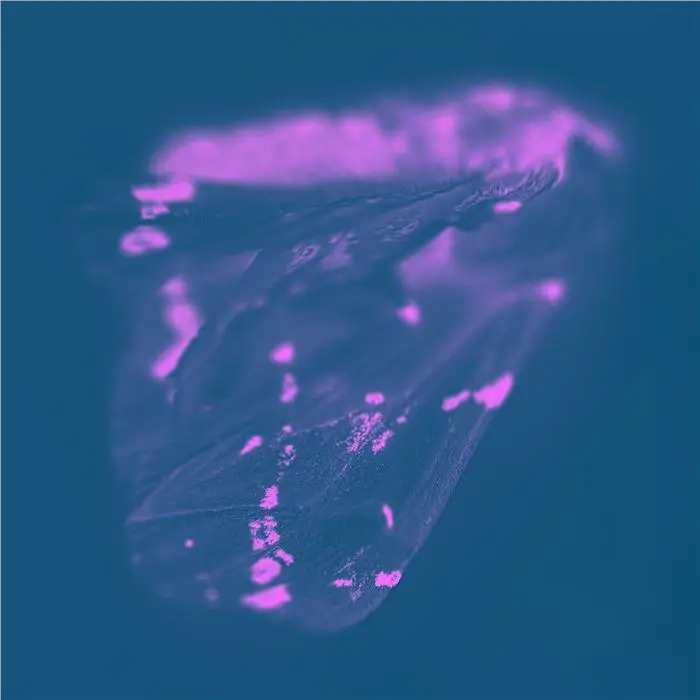
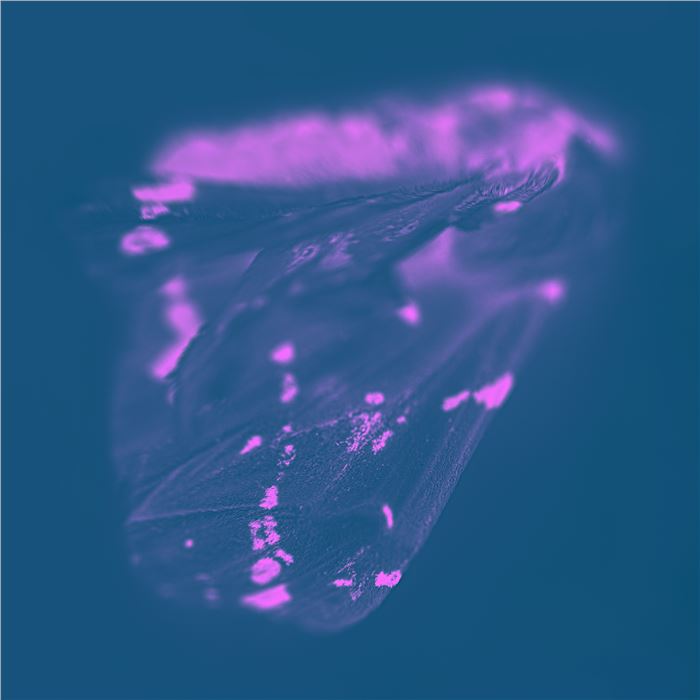
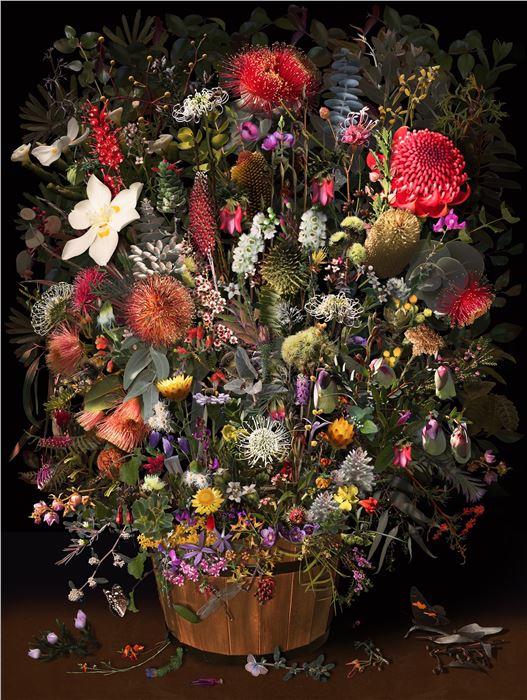
The fair also provided a platform for individual artists and first-time participants to make a mark. Marnya Rothe observed widespread interest from interstate and local New South Wales collectors, with her photographic work Neon Dragon Loop—a striking image of a tiger moth captured in neon hues—serving as a focal point. Meanwhile, independent artist Pamela Pauline found substantial success in the fair’s Photo Sydney sector. Her works, which reimagine European still-life traditions through an Australian ecological lens, resonated deeply with the audience. Editions of her prints, including The Usual Subjects and Stillness, sold out, and her masterwork, Fragile Flowers in a Wooden Vessel, was acquired in both its primary large edition and as an Artist Proof. The work, which incorporates 112 threatened Australian species, sparked meaningful discourse on biodiversity and ecological loss, highlighting the growing collector appetite for art that carries a weight of social or environmental responsibility.
Sector-Specific Growth and Institutional Crossovers
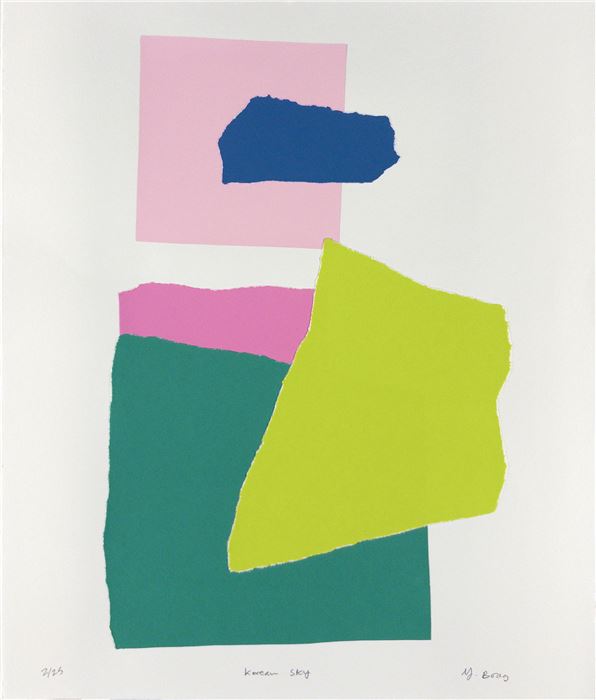
The evolution of the fair was further highlighted by shifts in acquisition patterns across different sectors. Ryn Lim, Head of Operations at PARC Editions, identified a clear surge in interest from Sydney’s commercial hospitality, interior design, and architecture sectors. A notable regional preference emerged: while international collectors often seek out unframed works for ease of transport, the Sydney market demonstrated a strong desire for large, pre-framed prints that provide an immediate visual impact. The graphic intensity of Yvonne Boag’s silkscreen works and collaged editions was particularly well-received, and Lim noted that local visitors displayed a sophisticated understanding of contemporary printmaking, requiring little explanation regarding the technical value of the editions.
This preference for the physical and the material was echoed by Emily Parker of PARKER Contemporary, which saw its sales volume double compared to its inaugural 2024 participation. Parker observed that collectors are increasingly viewing physical, material-led practices as a necessary counterweight to digital saturation. Works by Melissa J. Harvey and Matthew Hurdle, which utilize organic fibers transformed into handmade paper, were standouts, as were Alethea Richter’s screenprints and Matthew Newkirk’s text-based works. For a Brisbane-based gallery, Sydney Contemporary serves as an essential hub for national visibility, allowing for a multi-channel sales strategy that bridges the gap between the studio and the fair floor.
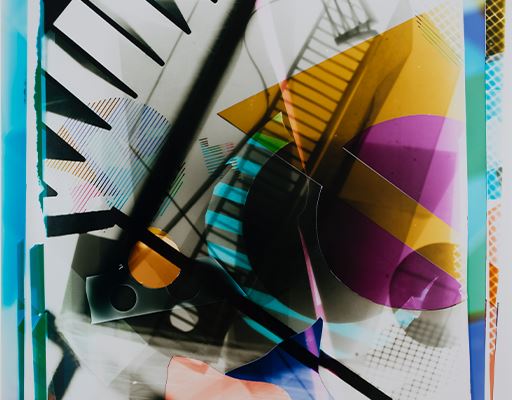
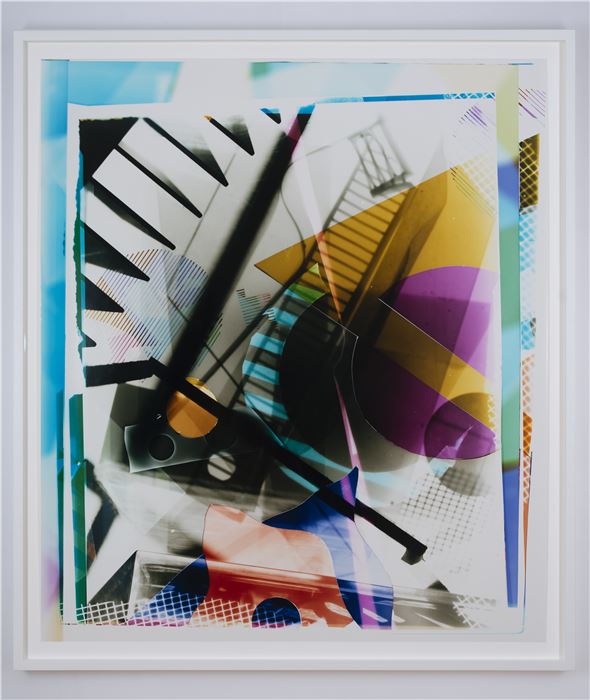
Photography also maintained a strong position at the fair. The Head On Photo Festival, led by founder Moshe Rosenzveig OAM, successfully navigated the accessible market tier by presenting works by a diverse range of artists, including Geoffrey Goddard and Paula Bronstein. By providing approachable price points, the organization was able to cultivate a new generation of photography collectors. At photo access, curator Litia Roko highlighted the significant institutional interest in Danica Chappell’s Shadow Shaping (Light-modulated-form #5). The work, which served as the cover image for Art Collector Magazine’s Sydney Contemporary edition, was praised for its focus on color, touch, and the labor-intensive, handmade nature of the photograph.
Sustained Momentum and Evolving Models
The final days of the fair confirmed that liquidity remains strong for high-value Australian works. Jacob Hoerner Galleries recorded major placements, including the sale of Brett Weir’s triptych Cathedral (2026) for AUD$65,000 (approximately USD$42,250) on the second evening, followed by the sale of Andrew Sibley’s 1979 triptych (Untitled) for AUD$110,000 (approximately USD$71,500) just before the fair’s close. Hoerner noted that the fair is not merely a venue for immediate transactions, but a critical engine for long-term relationship building.
At N.Smith Gallery, founder Nick Smith observed that while the middle market required patience, top-tier works moved with speed. The placement of Natasha Walsh’s Garden of Earthly Delights for AUD$77,000 (approximately USD$50,050) marked a pivotal moment for the artist as she moves toward blue-chip status. Elsewhere, Brenda Colahan Fine Art used the fair to celebrate its tenth anniversary, presenting a solo survey of Derek Ogbourne that attracted significant institutional attention, while Martin Browne Contemporary reported success across a range of mediums, from the porcelain of Ebony Russell to the paintings of Ildiko Kovacs and Nyunmiti Burton.
The fair also saw strong performances from galleries focused on accessibility and niche markets. LON Gallery, led by Adam Stone, maintained a price cap of AUD$20,000 (approximately USD$13,000), a strategy that resulted in a near sell-out of Adrienne Gaha’s oil paintings. Similarly, CBD Gallery recorded its best performance in three years. Founder Xiaoxiao Zhang noted that the gallery pre-sold all of Talya Brookman’s large paintings to international clients before the doors even opened, and managed to clear half of their on-site stockroom inventory during the VIP events.
The tenth edition of Sydney Contemporary has clearly demonstrated a structural maturation within the Australian primary market. Galleries are no longer relying on traditional models alone; they have adopted agile, hybrid frameworks that integrate their home premises with targeted fair appearances and a continuous digital dialogue. The prevailing success of material-driven, handmade, and ecologically conscious work signals a clear shift in collector psychology toward craftsmanship and authentic narratives. As economic conditions demand greater selectivity, the sustained commercial velocity seen at this year’s fair—from accessible editioned prints to six-figure masterworks—confirms that the Australian art market remains not only resilient but increasingly sophisticated.