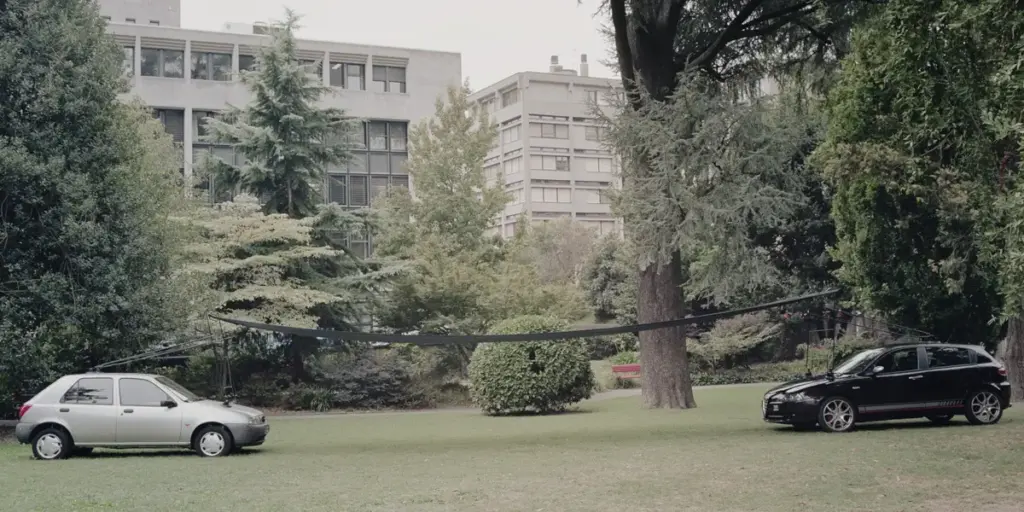
Switzerland’s complex relationship with modern mobility, environmental regulation, and domestic waste management has been brought into sharp focus by a striking new art and architectural installation. Titled "It All Remains," the project is the creation of designer Giona Bierens de Haan, who seeks to address the urgent questions surrounding the future of automotive resources and material reuse within the Swiss landscape.
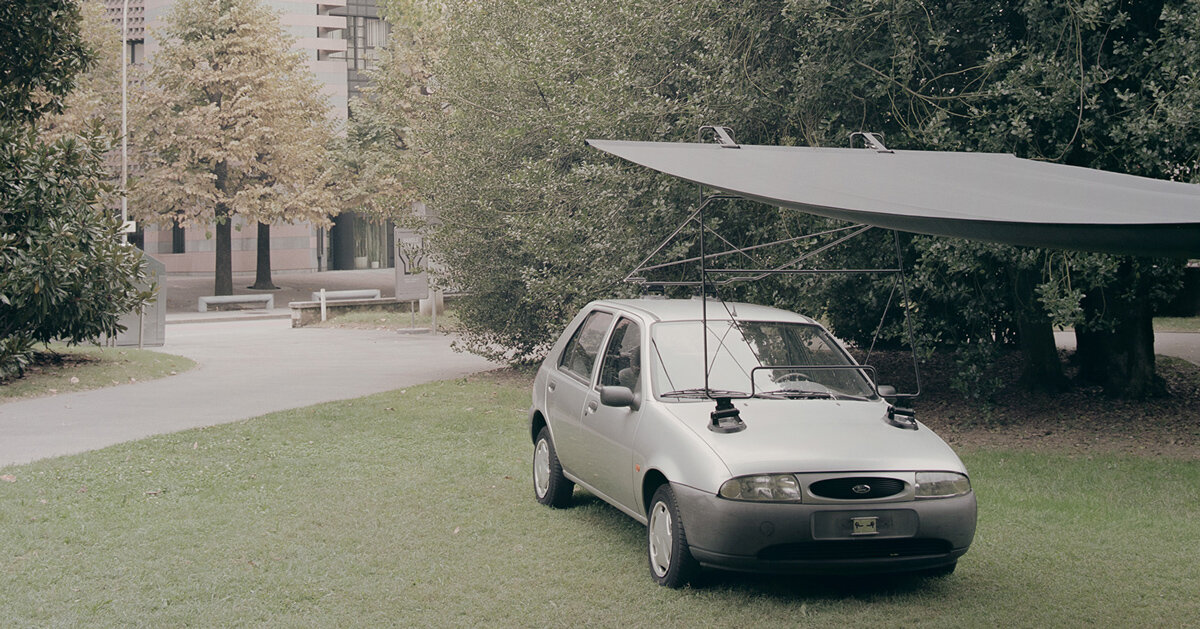
The conceptual project emerges against a backdrop of dense automotive circulation. Across Switzerland, nearly 5 million registered vehicles navigate the roads and highways, translating to an average of approximately 0.5 cars for every single inhabitant. Every year, around 200,000 of these vehicles reach the end of their operational lifespans and are officially removed from service. However, the destination of these decommissioned machines reveals a significant challenge in national waste management: roughly two-thirds of these retired automobiles are not recycled or repurposed locally. Instead, they are exported abroad to countries operating under less stringent environmental regulations.
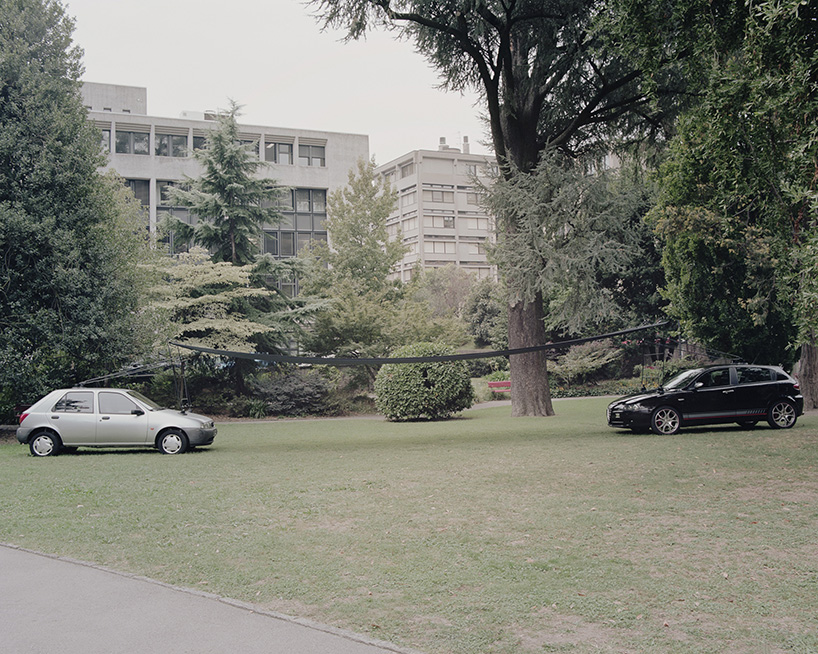
This practice of exporting automotive waste shifts the burden of industrial disposal outside national borders, prompting critical questions about domestic responsibility and sustainability. Giona Bierens de Haan’s installation serves as both a physical artwork and a profound critique of this reliance on foreign markets for waste management. By confronting viewers with the sheer scale of the automotive lifecycle, the project highlights an enormous, untapped reservoir of raw materials currently being shipped away rather than revalorized within Switzerland.
CONVERTING OBSOLETE VEHICLES INTO STRUCTURAL BUILDING BLOCKS
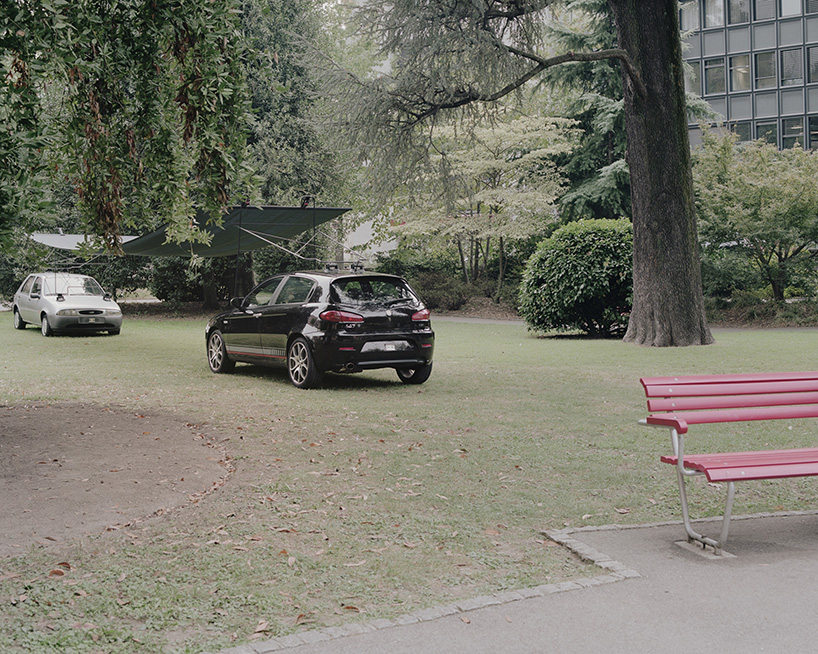
At the core of "It All Remains" is a radical reimagining of what happens to cars when they cease to be functional modes of transportation. Anticipating a broader socio-economic and technological transition away from fossil fuels—where the traditional internal combustion engine vehicle will inevitably become entirely obsolete—the project explores proactive ways to integrate these metal-and-plastic monoliths into the future of the built environment.
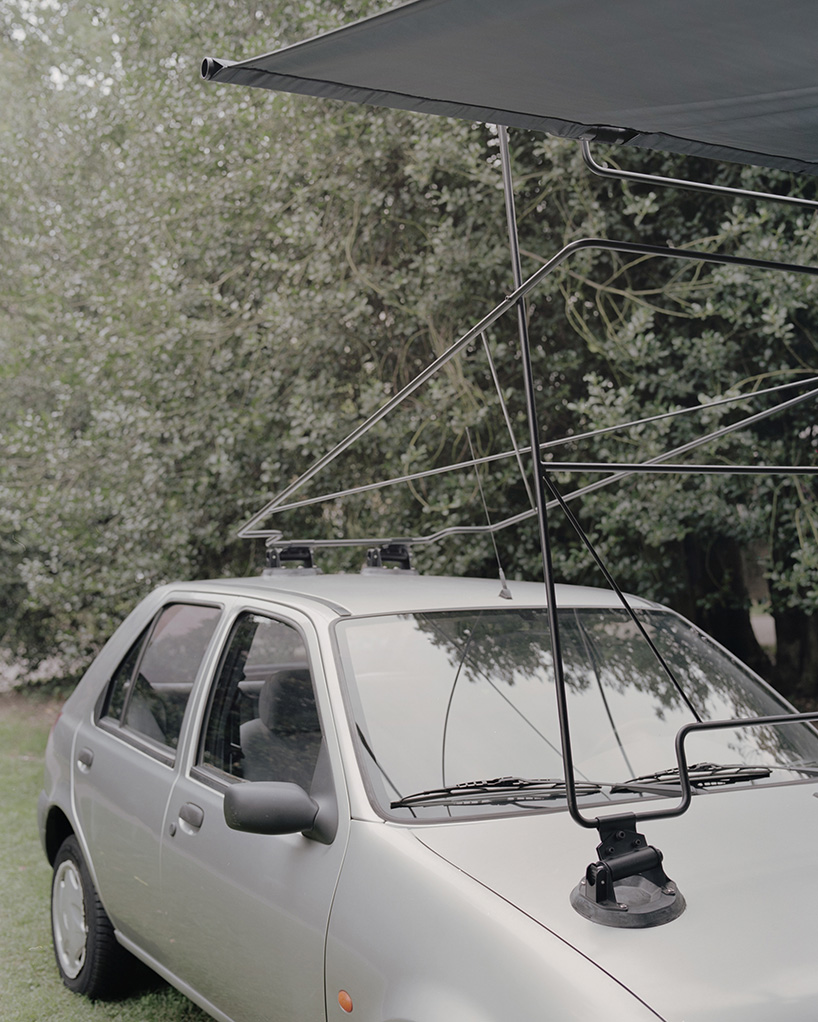
Rather than viewing decommissioned cars as systemic waste destined for shredders, landfills, or foreign scrapyards, Bierens de Haan redefines them as valuable structural resources. The installation investigates how automotive components can be harvested, re-engineered, and transformed into foundational building blocks for future architectural construction. Through a meticulous process of deconstruction and recontextualization, individual car parts—ranging from chassis frames and body panels to heavy structural supports—are recast as legitimate building materials.
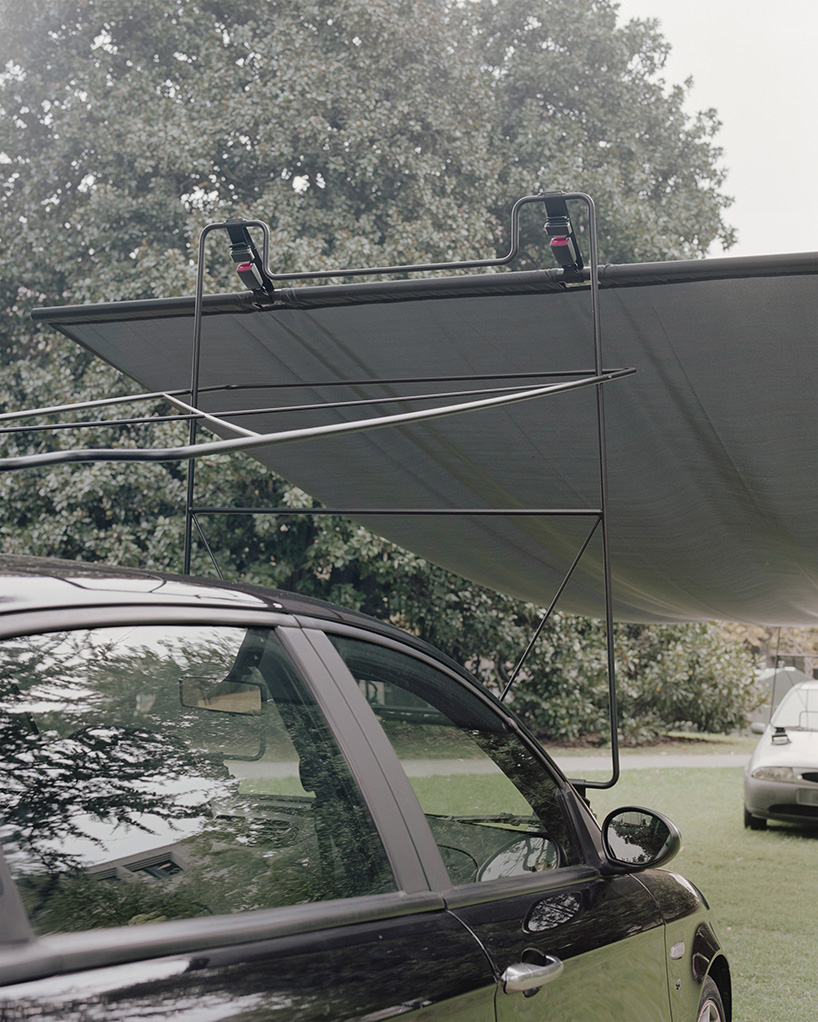
The implications of this design approach extend far beyond avant-garde aesthetics. By shifting the perception of automotive components from discarded debris to high-grade structural materials, the project champions local material revalorization. It presents a viable, circular alternative to the current model of exporting automotive waste. In doing so, "It All Remains" challenges architects, urban planners, and policy-makers to rethink material flows in an era of tightening climate constraints. As Switzerland and the wider global community look toward a more sustainable, post-fossil-fuel future, installations of this nature signal a necessary convergence between industrial design, art, and heavy architecture, proving that the cities of tomorrow might just be built from the infrastructure of yesterday’s roads.






