It is a sunny October afternoon in Manhattan, and the historic granite steps of the Metropolitan Museum of Art are bustling with the vibrant energy of the autumn season. Tourists eagerly pose for selfies against the museum’s grand neoclassical facade, street vendors expertly flip chopped-up hot dogs amidst a nest of sizzling French fries, and the distant, soulful wail of a street musician’s saxophone struggles to rise above the urban symphony of splashing water fountains and honking cars streaming down Fifth Avenue.
The scene captures the chaotic, multicultural heartbeat of New York City, featuring a multitude of diverse faces and backgrounds. Yet, as editor-in-chief Hakim Bishara notes in his reflections on the holiday, a glaring absence hangs over the celebration: the Lenape people, whose ancestral homeland was violently seized so that modern visitors could casually enjoy a crisp autumn day on the steps of one of the world’s premier cultural institutions. This poignant juxtaposition of modern leisure and historical displacement sets the tone for a complex week in the art world, where museums grapple with the legacy of Abstract Expressionism, the ethics of cultural restitution, and the shifting definitions of American identity.
Inside the Blockbuster: Krasner, Pollock, and Public Encounters
Stepping past the bustling threshold and into the cavernous halls of the Metropolitan Museum of Art reveals an entirely different kind of kinetic energy. A blockbuster exhibition dedicated to the intertwined lives and practices of pioneering Abstract Expressionist painters Lee Krasner and Jackson Pollock is currently drawing massive crowds, packing visitors tightly into galleries to examine the explosive canvases up close.
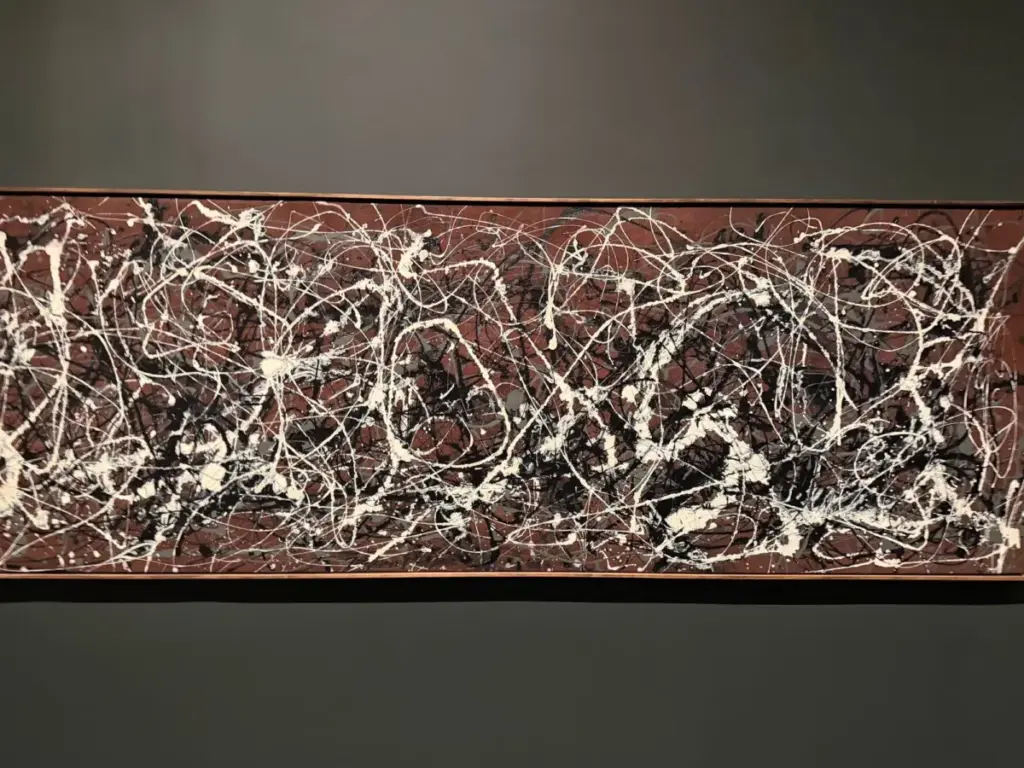
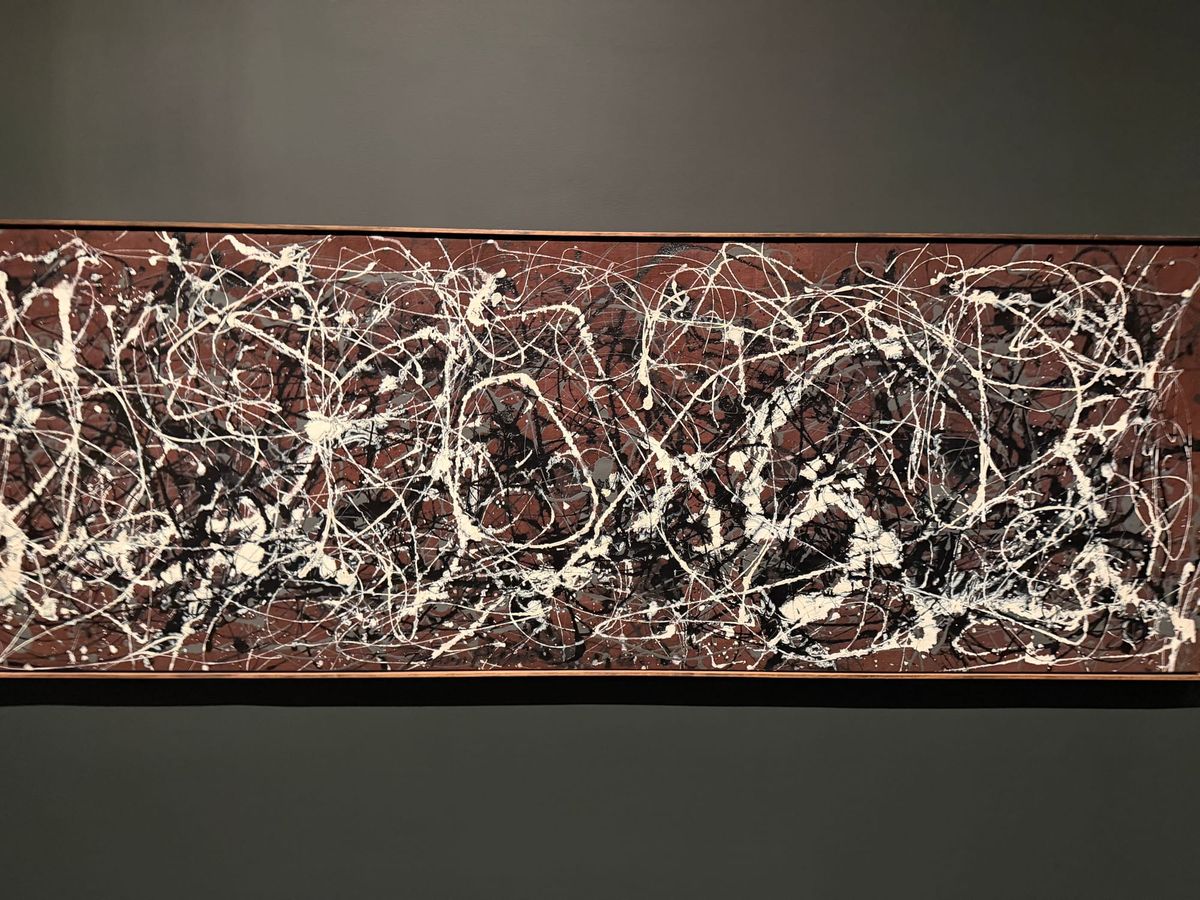
The exhibition is structured to be as much an exploration of their mutual artistic influence as it is a frank examination of their marriage—noted by scholars as perhaps their most difficult and enduring collaboration. Standing among the throngs of art enthusiasts admiring works like Pollock’s mesmerizing 1948 canvas Number 13A: Arabesque, visitors find themselves navigating not just the historical weight of mid-century American modernism, but the very real human friction of crowded public spaces.

Art viewing in the post-pandemic era often brings unexpected social friction. Amidst the quiet reverence typically expected in major painting galleries, a sudden confrontation highlights the underlying tensions of public spaces. An encounter with a fellow museumgoer accusing a visitor of "white privilege" for allegedly cutting in line—followed by a quick pivot to "male privilege" upon closer inspection—serves as a microcosmic reminder that the social anxieties of the outside world penetrate deeply into the hushed, climate-controlled chambers of cultural institutions.
Outside the museum walls, the societal turbulence continues unabated. Turning on media broadcasts reveals endless national discourse regarding settler colonialism and systemic injustice. On the city streets, a passing Jeep Wrangler bearing a bumper sticker proudly declaring "primitive man" offers a jarring confrontation with modern self-mythologization—eliciting a momentary shudder followed by an acknowledgment of raw, unvarnished honesty in a political climate growing increasingly volatile, underscored by threats of televised political violence from figures like War Secretary Pete Hegseth.
The cultural tour of the city extends across the river to the Brooklyn Museum, where another layer of historical reckoning awaits. Pausing by a carefully curated display of Indigenous Kachina dolls—sacred objects traditionally given to Hopi girls and women living in what is now the American Southwest—visitors are forced to confront the murky provenance of institutional collections. While the exact creators and the intricate trajectories by which these sacred items arrived in Brooklyn remain partially obscured by history, they now find themselves housed rather incongruously within the museum’s Center for Feminist Art. It is a striking reminder of how ethnographic objects are recontextualized within modern institutional frameworks, leaving cultural observers with a profound sense of exhaustion by the end of a long day of navigating the labyrinthine intersections of art, history, and politics.
Roy Lichtenstein Has Lost His Luster
The week’s critical dialogue in the visual arts also turns a critical eye toward foundational figures of the Pop Art movement, most notably Roy Lichtenstein. Known universally for his bold, comic-strip-inspired paintings that have long been staples of modern art history, Lichtenstein’s work has historically enjoyed a reputation for being instantly memorable, visually striking, and universally congenial.
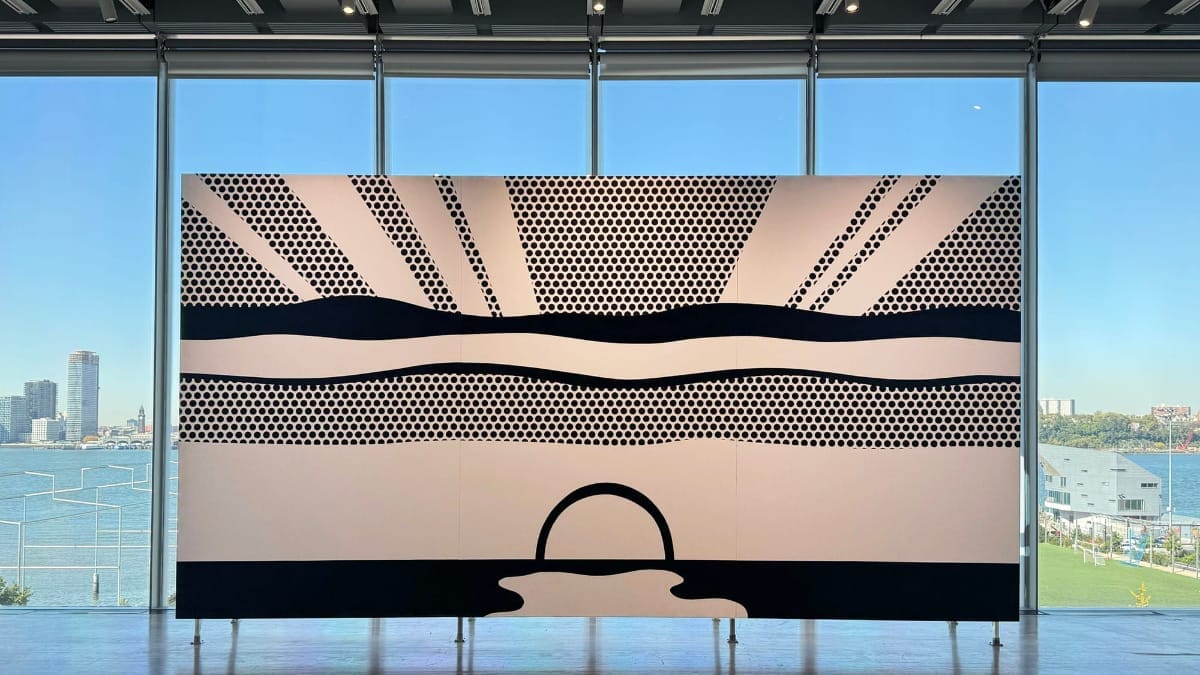
However, critical reappraisal suggests that the master of Ben-Day dots may be losing some of his historical sheen. When critics visit major institutional surveys, such as the extensive retrospective Roy Lichtenstein: Like New at the Whitney Museum of American Art—the first major survey of his oeuvre in more than three decades, featuring over 130 paintings, sculptures, drawings, and prints—expectations run high. Curatorial research often uncovers fresh source material and hidden depths behind famous works, offering new entry points into well-trodden artistic territory. Yet, as contemporary critics like John Yau observe, the initial promise of rediscovering the mechanics behind Lichtenstein’s appropriations sometimes yields a diminishing return, raising questions about whether Pop Art’s slick irony retains its urgency in a contemporary landscape saturated with media images.
Funding International Dialogue and Indigenous Perseverance
Amidst these critical reassessments of the art historical canon, institutions are actively working to reshape the future of global artistic exchange. The Asian Cultural Council (ACC) has officially opened its global grant cycle for 2027, inviting contemporary artists, cultural professionals, scholars, and arts organizations to submit applications for funding that fosters cross-cultural dialogue. Operating from October 1 through November 10, the grant cycle represents a vital financial lifeline for international collaboration, supporting practitioners who bridge disparate cultural traditions through dance, visual arts, and scholarly research.
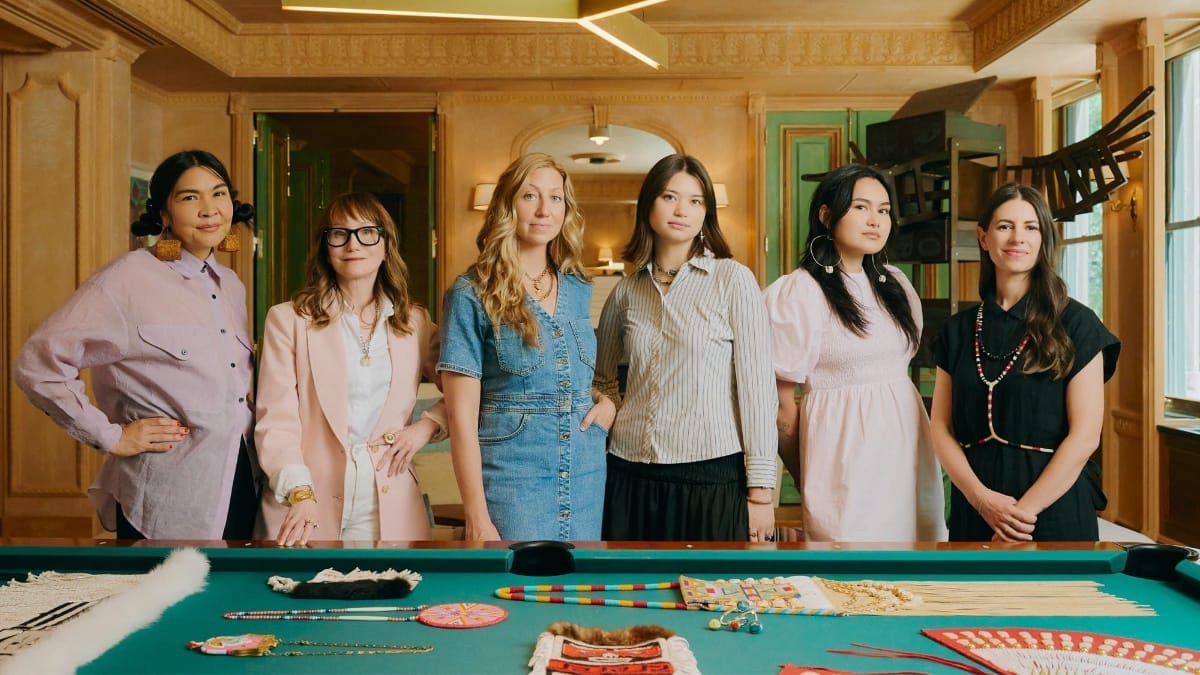
This emphasis on cultural preservation and political resilience is further embodied by public figures bridging the gap between Indigenous heritage and modern governance. Figures like Jonathan Nez, the former Navajo Nation president and congressional candidate in Arizona, have increasingly brought discussions of Indigenous perseverance to the forefront of national discourse. In conversations with cultural critics like Valentina Di Liscia, Nez discusses how his upbringing and foundational Diné culture continue to shape his political philosophy, emphasizing that historical memory is not merely a passive academic pursuit, but an active, necessary tool for modern political survival and institutional reform.
Books, Critiques, and Cinematic Afterlives
The literary and critical landscape this season is likewise defined by deep retrospectives and biographical reckonings. Among the notable releases is a new biography of the late novelist and cultural critic John Berger, authored by Tom Overton. Berger, who famously asked Overton to delay writing his biography until after his death, receives a treatment that critics like Megan O’Grady describe as deeply informative, deferential, and perceptive, occasionally rising to lyrical heights. The book captures Berger in his own bruised time, offering a nuanced portrait of a thinker who profoundly reshaped how generations understood the politics of vision.
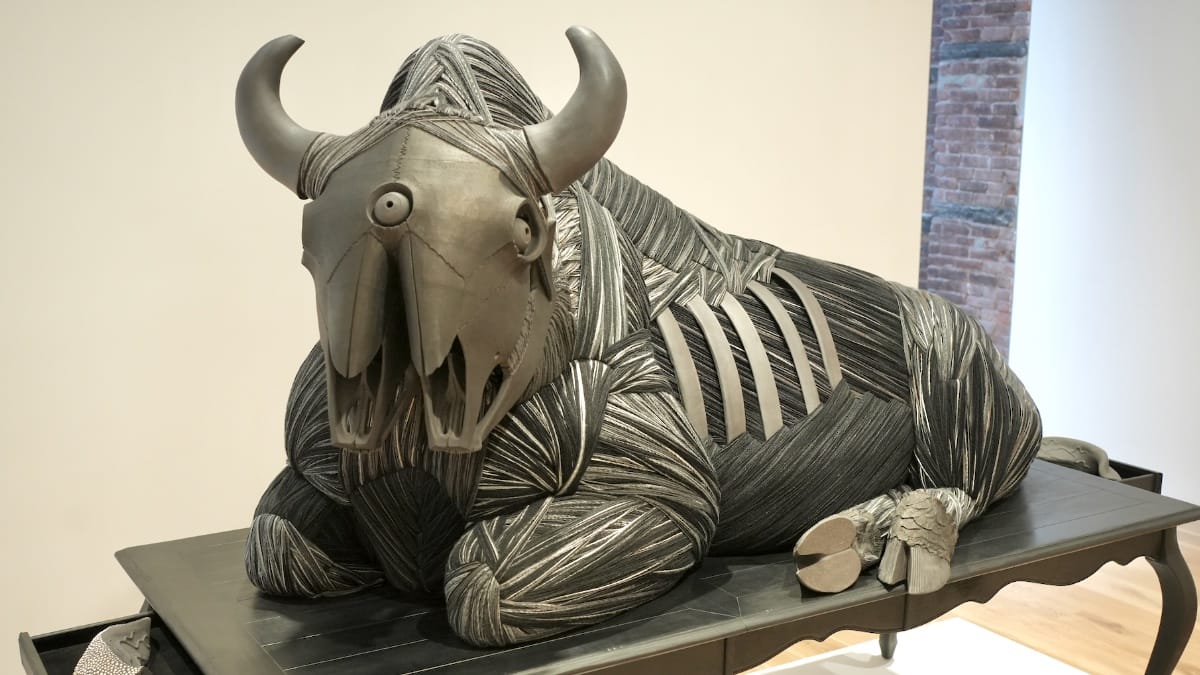
Similarly, art historian Ruth Bernard Yeazell explores the enduring resonance of the Dutch Golden Age master in her new book, Vermeer’s Afterlives. As Lauren Moya Ford notes, Yeazell meticulously traces how artists, filmmakers, poets, and even the high-stakes contemporary art market continue to bear the distinct traces of Johannes Vermeer’s quiet compositions and handling of light centuries after his passing.
As the autumn cultural calendar rolls forward, institutions and festivals continue to spotlight vital works across mediums. The annual DOC NYC festival is preparing to showcase an eclectic slate of art documentaries, including features on eccentric local landmarks, the complex photographic afterlife of Frida Kahlo, and the enduring legacy of collagist Romare Bearden. These cinematic offerings, alongside ongoing debates surrounding institutional accountability, artists’ representation, and the enduring struggle for historical truth, ensure that the art world remains deeply entangled in the broader cultural conflicts of contemporary American life.