A color has a biography. A color can have an origin, but it can also transform. It can move between materials and disciplines, transitioning from a local practice into architecture, shifting from something ordinary into something symbolic. Along its journey, it can lose one association and acquire another, or persist quietly in the background without anyone consciously thinking of it as a cultural artifact. Its life unfolds through the distinct conditions in which it is produced, used, repeated, and inhabited. As these environmental, social, and economic conditions change, so do the meanings that a color can carry across generations.
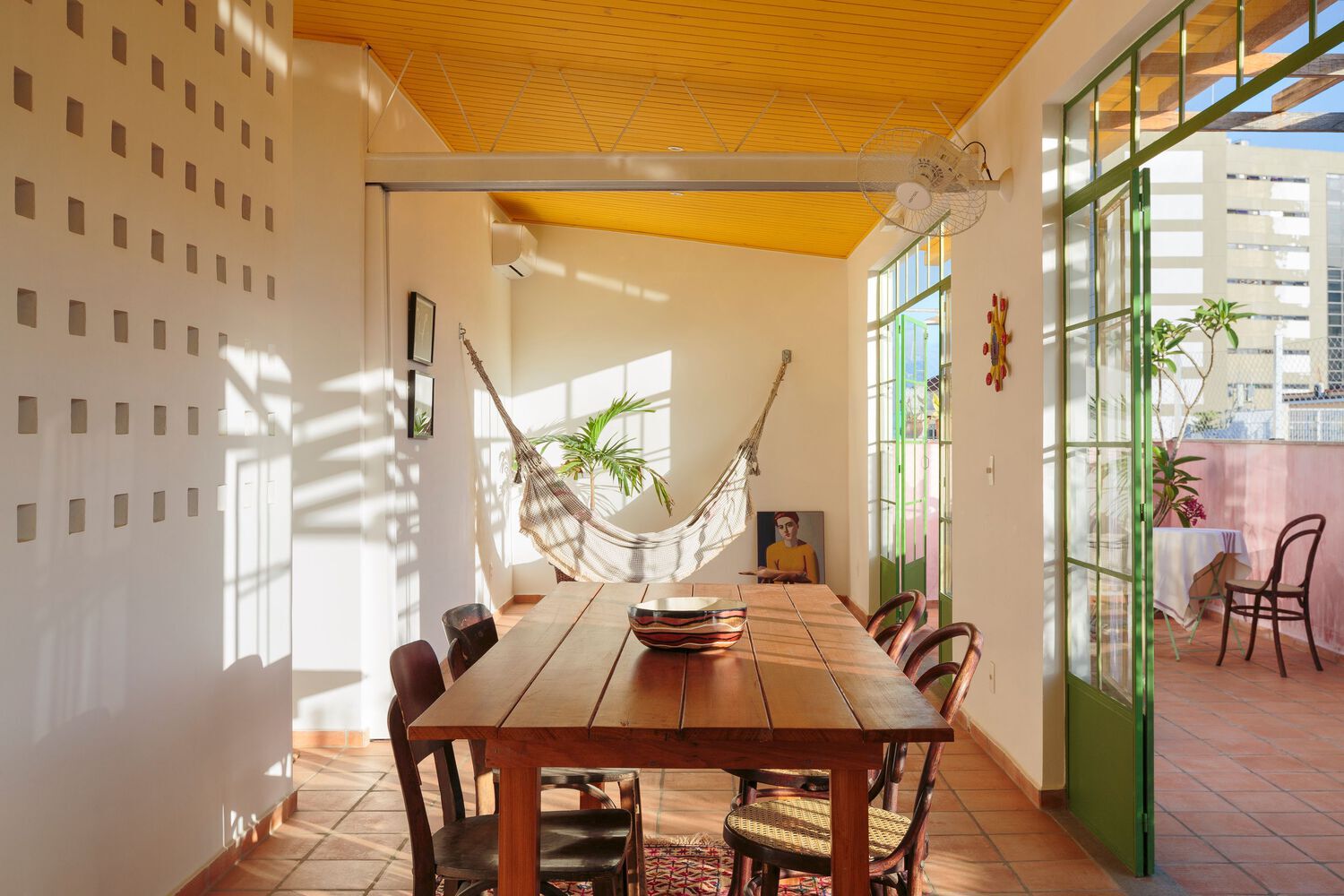
The interior is a place where these layered histories converge. A color inside a room does not exist in a vacuum; it carries the tangible and intangible traces of a territory, a material practice, a specific climate, or a long-standing history of human inhabitation. Yet, its presence within a space does not necessarily depend on an intentional or conscious effort to represent any of these grand ideas. Instead, color often becomes part of a place through the natural continuity of materials and traditional ways of living, acquiring a profound significance that reaches far beyond the physical surface on which it appears.
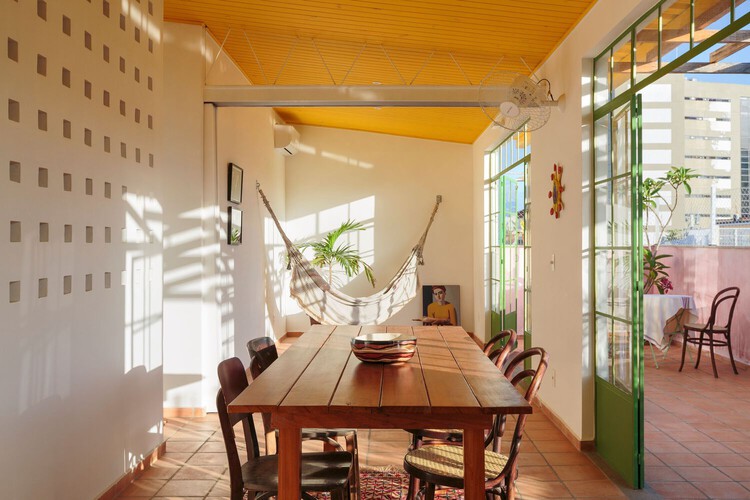
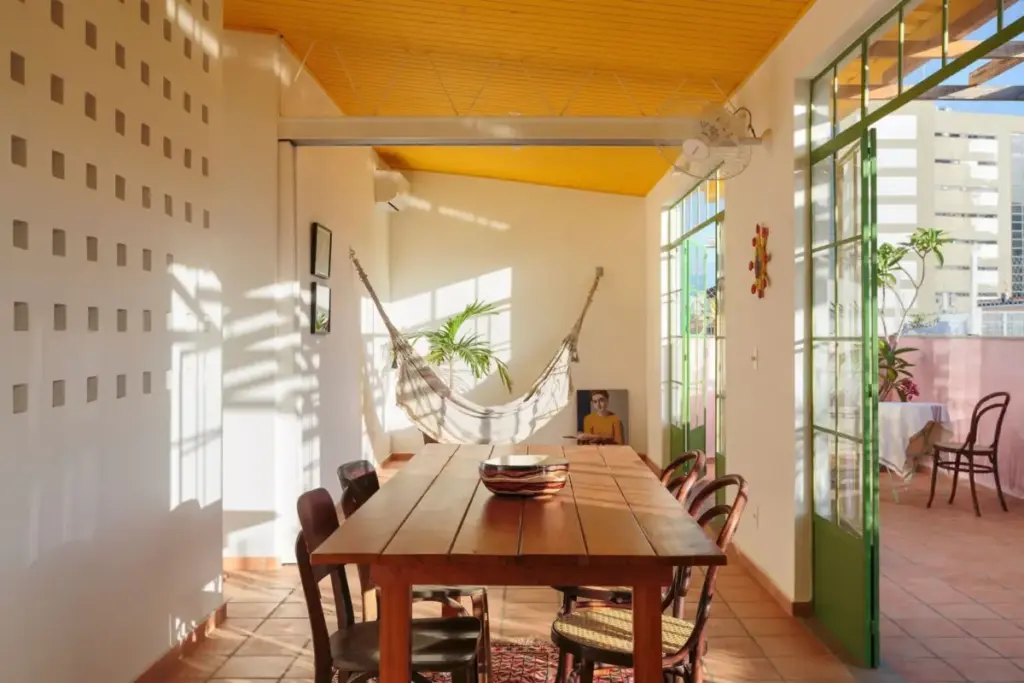
Examining Latin American interiors reveals that color functions as more than a mere aesthetic choice or a superficial layer of paint. It acts as an active participant in the narrative of a home, bridging the gap between the natural landscape outside and the built environment within. Across diverse regions, from coastal dwellings to high-altitude urban apartments, hues are informed by the availability of local resources, the intensity of regional sunlight, and the inherited wisdom of vernacular building techniques. When builders and designers select pigments or materials, they are often tapping into an unwritten code of spatial culture that has evolved over centuries.

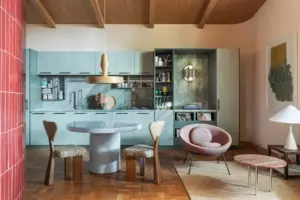
This dynamic interplay is vividly demonstrated in contemporary architectural interventions, such as the CL Apartment designed by MZNO, where spatial configurations and color palettes engage in an ongoing dialogue with their surroundings. In such spaces, colors are not applied arbitrarily to follow fleeting global trends; rather, they emerge from an understanding of how light moves through a room, how shadows soften a sharp corner, and how textures interact with chromatic choices. The biography of a color thus continues to be written each time a space is inhabited, repurposed, or viewed through the lens of changing cultural perspectives.

Ultimately, the cultural life of colors in Latin American interiors reminds us that architecture is deeply tied to human memory and sensory experience. By tracing the origins and transformations of these hues, observers and practitioners alike can better appreciate the complex layers of identity embedded within the built environment. As materials age, light shifts, and new generations occupy these domestic landscapes, colors maintain their silent yet powerful capacity to narrate the evolving story of place, heritage, and daily life.