Homeowners looking for a faster route to room renovation often weigh the merits of painting directly over existing wallpaper rather than undertaking the laborious process of stripping old paper, preparing bare plaster, and starting from scratch. While skipping the removal phase can save considerable time and effort, tackling a wallpapered surface with a paint roller requires careful evaluation, stringent preparation, and a clear understanding of potential structural pitfalls that could derail an interior design project.
Before committing to a coat of paint, experts advise conducting a thorough inspection of the walls. The primary prerequisite for success is that the underlying paper must be in structurally sound condition, entirely free from rips, tears, and extensive damage. If the wallpaper is severely compromised, riddled with tears, or wearing thin, attempting to paint over it is rarely advisable. In such cases, stripping the old material and painting the bare wall remains the superior choice for long-term durability and appearance.
Wallpapers that display peeling in multiple areas signal a deeper underlying issue, even if the paper itself is not physically ripped. Widespread lifting typically indicates that the adhesive paste is failing. This failure can stem from using low-quality paste during the initial installation or from moisture issues and dampness within the room that have gradually broken down the bond between the wall and the paper. Painting over compromised adhesive will only trap moisture or weight, causing the paper to sag and detach further under the fresh layers of liquid.
However, if peeling is strictly localized to a single, isolated area, remedial action may save the project. Homeowners can carefully re-adhere loose corners or edges using specialized wallpaper paste, ensuring the repair is smoothed down meticulously to prevent air bubbles before allowing it to dry completely.
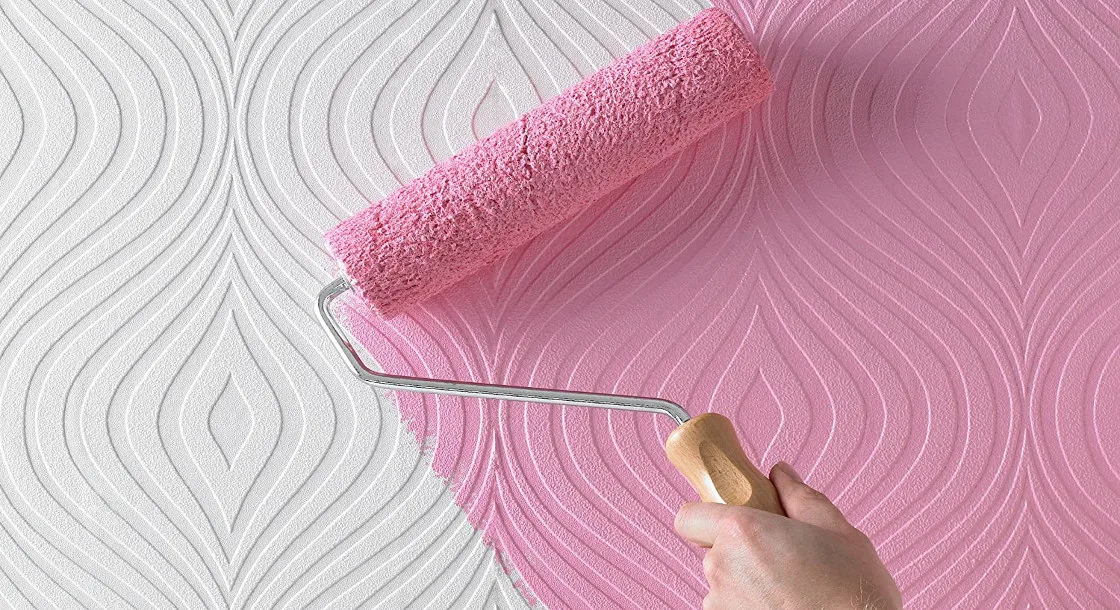
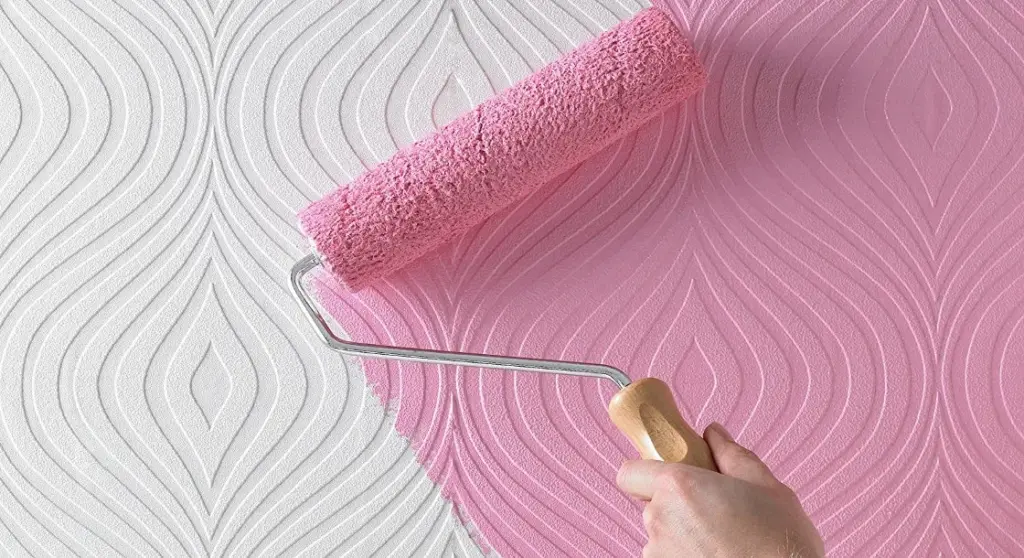
The choice of wallpaper style also dictates the final outcome. Plain, flat wallpaper provides the most accommodating canvas for a smooth, modern paint finish. Conversely, textured or heavily patterned papers can still be painted over, provided the homeowner accepts that the underlying physical texture or embossed patterns will remain visible beneath the new color scheme, adding depth and dimension to the finished room.
Preparing Wallpaper for Painting
Assuming a thorough inspection confirms that the wallpaper is firmly affixed and in good overall condition, the required preparation phase remains relatively straightforward compared to traditional wall stripping. Protecting surrounding woodwork, flooring, and fixtures with decorator’s masking tape lays the groundwork for a clean execution, ensuring that once the preparatory steps are cleared, the transition to applying paint can proceed smoothly.
Priming Wallpaper for Painting
Even when dealing with light-colored, unpatterned wallpaper, applying a dedicated primer before introducing the topcoat is strongly recommended. Priming ensures a uniform, clean finish and helps the topcoat adhere evenly while making the underlying paper easier to mask and cover completely.
A critical technical consideration in this process involves the choice of primer. Water-based primers can penetrate the wallpaper too deeply, reactivating the old adhesive paste and causing the paper to bubble, wrinkle, or detach entirely. To mitigate this risk, professionals recommend utilizing an oil-based primer or a specialized all-in-one primer and sealer designed specifically to stabilize wallpapered surfaces. Applying at least one coat—though ideally two—and allowing it to cure completely sets a stable foundation for the final color application.

How to Paint Over Wallpaper
With the priming stage successfully completed and thoroughly dried, homeowners can proceed to select their preferred topcoat paint color and finish. Applying the topcoat requires the same steady hand and technique as painting a standard plastered wall, ensuring even coverage across all sections without overloading the roller, which could introduce excess moisture back into the layers below.
Problems With Painting on Top of Wallpaper
While meticulous planning and proper preparation generally yield successful results, painting directly over wallpaper can occasionally present unique challenges. Fortunately, most of these issues can be anticipated, avoided, or successfully resolved with targeted remedial work.
One common issue arises from natural shrinkage. As wallpaper dries after its initial hanging, individual strips can occasionally contract slightly, leaving narrow gaps between the seams. While a thin gap does not automatically ruin a painting project, it must be addressed before the final aesthetic is compromised.
Assuming the surrounding wallpaper remains firmly bonded and structurally sound, standard wall filler can be deployed to bridge the gaps between sheets. This corrective measure is best executed after the primer coats have been applied and fully cured. Once the filler is dry, it must be carefully sanded back until it is entirely flush with the level of the surrounding paper. Because any raised filler or uneven patch will stand out starkly once the topcoat is applied, taking the time to achieve a seamless surface is essential for a professional finish.