In a vibrant display of culture, community, and historical resilience, dancers, artists, and musicians gathered recently in Prospect Park for a Lenape powwow. The event brought together participants from various Indigenous nations and backgrounds to drum, sing, and compete in traditional dance contests, transforming a corner of Brooklyn into a lively celebration of heritage.
The atmosphere of the gathering was captured by attendees and participants alike, offering a glimpse into what these events mean to contemporary Indigenous communities. Among them was Howard Crouse, a tenth-grader from Salamanca, who described the gathering in straightforward terms. "It’s like a big ol’ gathering. Almost like a concert, but for us," Crouse said.
While Crouse is Seneca and noted that large powwows are not traditionally part of his specific community’s customs, he participates for the joy of it. He highlighted one of his nation’s distinct traditions: the smoke dance. Described as a fast-paced contest dance, the smoke dance was historically used to clear longhouses of fire smoke, with dancers’ rapid footwork helping to drive the smoke upward and out through the structure. Asked what it takes to win the contest, Crouse explained that success simply requires having the best, fastest, and cleanest footwork on the floor.
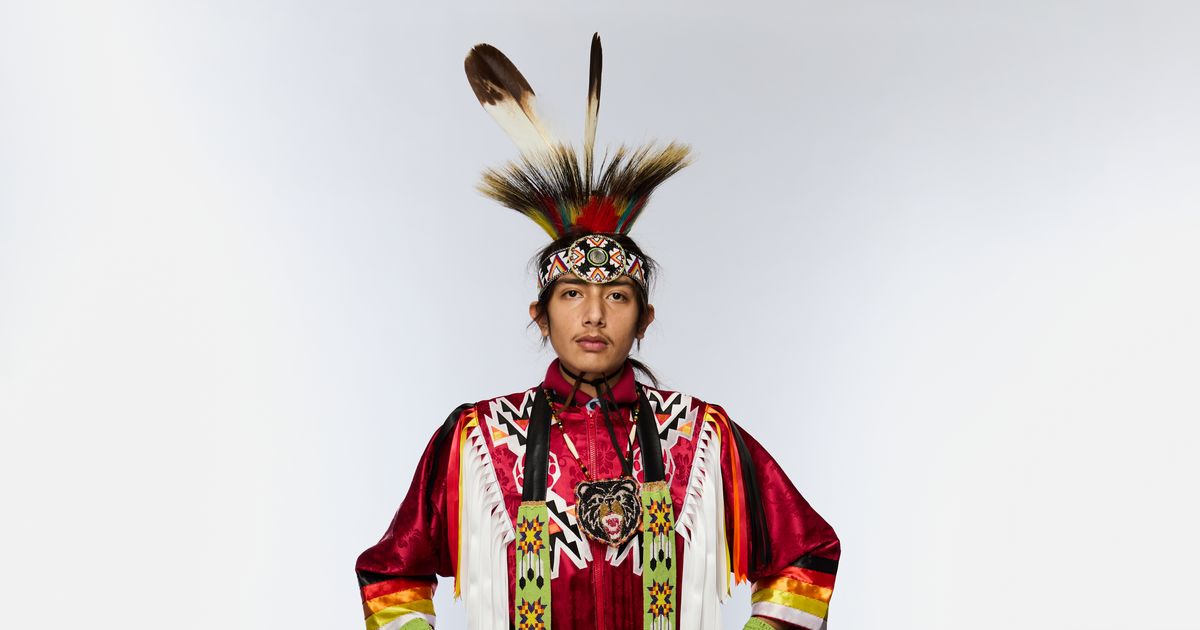
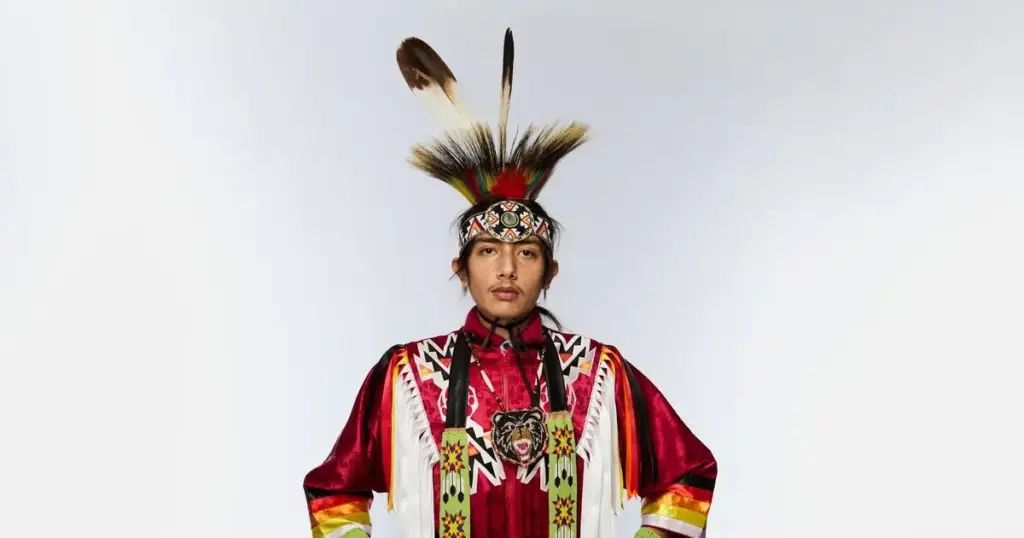
The regalia worn by participants reflected both deep historical roots and contemporary creativity. Cory Ridgeway, a program specialist from Cedarville, New Jersey, pointed out the intricate details of his attire. "You’ll see a lot of different floral work on mine, which usually means the person wearing it comes from a woodland area," Ridgeway explained, noting the presence of ribbon work down the front as a traditional Lenape design element blended with contemporary fabrics.
For many attendees, the gathering represented much more than a cultural showcase; it served as a living testament to survival and active cultural revitalization. Kiara Tanta-Quidgeon, an Indigenous-health researcher based in Boston, Massachusetts, emphasized the profound historical context of modern powwows.
"This is an active revitalization for our communities," Tanta-Quidgeon said when asked what she would tell a first-time visitor. "For a long time, there was a legal prohibition of our dances by the colonial government. The fact that we’re still out here and doing this despite hundreds of years of that suppression is a really beautiful thing."
That shadow of historical suppression and the ongoing journey of healing were echoed by others in attendance. Janiyakuha Webster, a cultural keeper from Bowler, Wisconsin, spoke candidly about the difficulties of keeping traditions alive across generations. For many families, the preservation of language and customs required breaking cycles of generational trauma. Webster recalled how family members were once unable to speak their native language openly, noting that great-grandparents had to retreat to basements to speak it away from the children.
The personal journeys of attendees spanned diverse geographies, connecting rural reservation life and urban centers. George Stonefish, a consultant from East New York, reflected on his upbringing moving between different worlds. Growing up on 82nd Street in Manhattan—where he recalled Joe Namath living just around the corner—Stonefish spent his summers with his grandmother in Canada, where he learned traditional ceremonies and powwows. That dual upbringing, he noted, instilled a unique versatility, allowing him to navigate vastly different social environments with ease.
Other participants, such as Mathyias “Kûkûlksit Tûme” Ellis, a twelfth-grader from Bridgeton, New Jersey, shared the specific stories behind their dances and regalia. Demonstrating the prairie chicken dance, Ellis explained that his movements were designed to mimic a rooster during mating season, utilizing flashy, attention-grabbing footwork and intricate regalia to captivate the audience.
Through drumming, dancing, and the sharing of stories, the Prospect Park gathering underscored the enduring strength of Indigenous cultures in the heart of New York City, honoring the ancestral land of the Lenape people while looking forward to future generations.