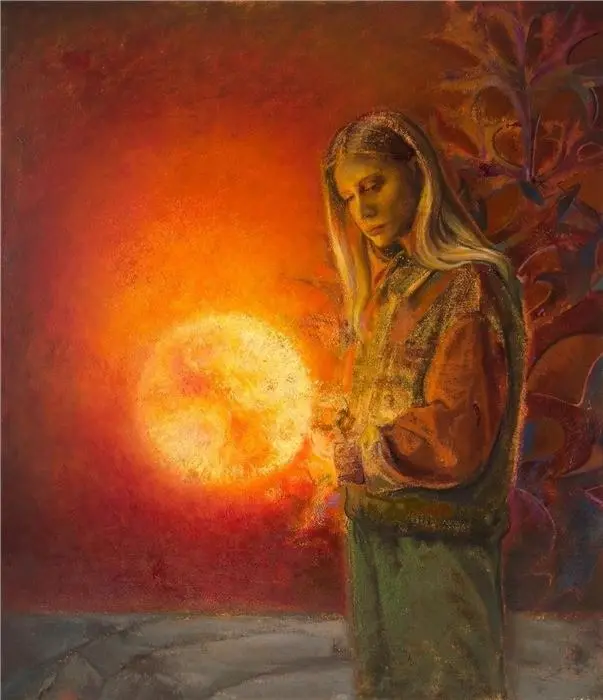
In an era defined by the relentless pulse of digital transformation—where algorithms dictate our visual intake, artificial intelligence generates infinite streams of content, and our screens serve as the primary windows to the world—the traditional medium of painting might seem like a relic of a bygone age. Yet, despite the proliferation of virtual environments and the saturation of digital imagery, painting remains a cornerstone of contemporary culture. Riana Raouna, curator, art advisor, and founder of the RIANA RAOUNA Gallery, asserts that the medium is not merely surviving the digital shift; it is thriving, offering a unique form of materiality, emotional depth, and market longevity that digital media cannot replicate.
The sheer volume of visual data we consume daily is unprecedented. Through smartphones, social media feeds, and digital marketplaces, we encounter thousands of images every few hours. This technological revolution has undeniably altered the landscape of artistic creation, distribution, and collection. However, the continued relevance of painting is not a symptom of nostalgia or an stubborn adherence to tradition. Rather, it is a testament to the medium’s profound ability to offer a sensory and contemplative experience in an age increasingly defined by speed and immateriality. Painting matters today not because it resists the digital tide, but because it provides a grounding presence that the transient digital image cannot fully capture.
The Material Presence of the Painted Surface
At the heart of painting’s endurance is its fundamental materiality. Unlike the flat, glowing surface of a screen, a painting is a physical object that occupies space. It is a record of human action, carrying the visible traces of gesture, pressure, texture, and the deliberate layering of time. When a viewer stands before a canvas, they are confronted with scale and a tactile complexity that simply does not translate through a high-definition monitor.
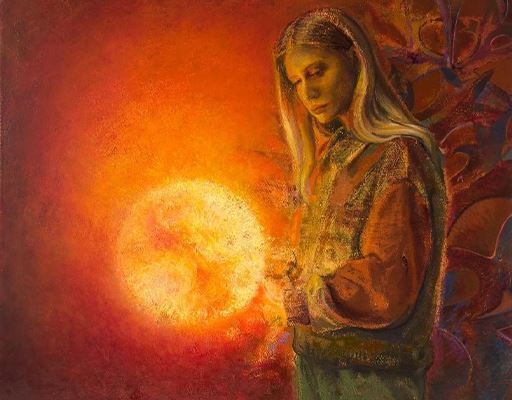
The physical reality of oil paint’s viscosity, the subtle tooth of the canvas, and the deliberate roughness of a brushstroke create a sensory experience that is inherently embodied. Neuroscience and aesthetic research increasingly suggest that physical artworks engage our perceptual systems in ways that differ significantly from the passive consumption of digital reproductions. This engagement encourages a "slower" mode of viewing—a deliberate pause in a world that demands rapid-fire attention. By engaging the senses through texture and light, painting demands that the viewer be physically present, creating an encounter that is as much about the body as it is about the eyes.
Slowness in an Age of Acceleration
Digital culture is built on the architecture of immediacy. Images are flicked past in milliseconds, liked, shared, and discarded in the blink of an eye. Painting, by contrast, operates on a different temporal frequency. Whether in its creation or its reception, painting is a medium of duration.
Complex abstract and figurative works often refuse to yield their meaning upon a cursory glance. They require time. Meaning unfolds through sustained observation, where the viewer must spend minutes—or even hours—navigating the relationships between color, form, and composition. This slower mode of engagement is becoming an increasingly rare and valuable commodity. While a digital image is designed for instant recognition, a painting possesses a depth that reveals itself gradually, allowing for an evolving relationship between the artwork and the viewer that can span years.
Emotional and Psychological Depth
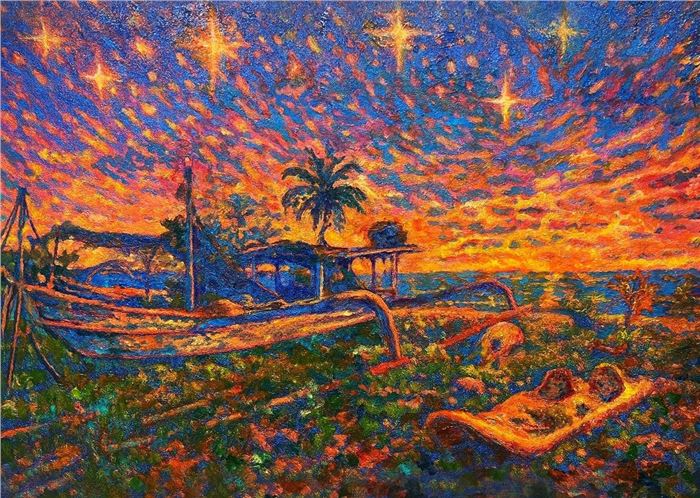
Throughout history, painting has served as the primary vehicle for the expression of the interior human experience. From the visceral psychological intensity of Edvard Munch to the meditative, transcendental fields of Mark Rothko, the medium has consistently captured emotions that defy verbal articulation. Today’s contemporary artists continue this legacy, utilizing the canvas to explore complex themes such as identity, displacement, ecological anxiety, and the nature of memory.
While digital tools are undeniably impressive and artificial intelligence can now mimic the stylistic features of great painters, the significance of a work of art does not reside solely in its final appearance. It lies in the intricate relationship between the artist, the process, and the viewer. There is an inherent emotional resonance in the knowledge that a piece of art emerged through sustained human decision-making, marked by uncertainty, revision, and physical labor. Contemporary art theorists often emphasize that the "process" itself is a carrier of meaning. The visible evidence of hesitation, the correction of a line, or the transformation of a surface communicates a sense of vulnerability and authenticity that polished, synthetic digital perfection often lacks.
The Artist’s Hand and the Question of Authorship
The rise of AI-generated imagery has brought questions of creativity and authorship to the forefront of the art world. As machines become increasingly capable of producing convincing visual outputs, the value of the "artist’s hand" has paradoxically become more significant. Historically, the mark of the hand has been a signifier of individuality and presence. Even in highly controlled or minimalist works, there are always micro-variations that reveal a human bodily engagement with the work—a record of human attention that an algorithm cannot authentically replicate.
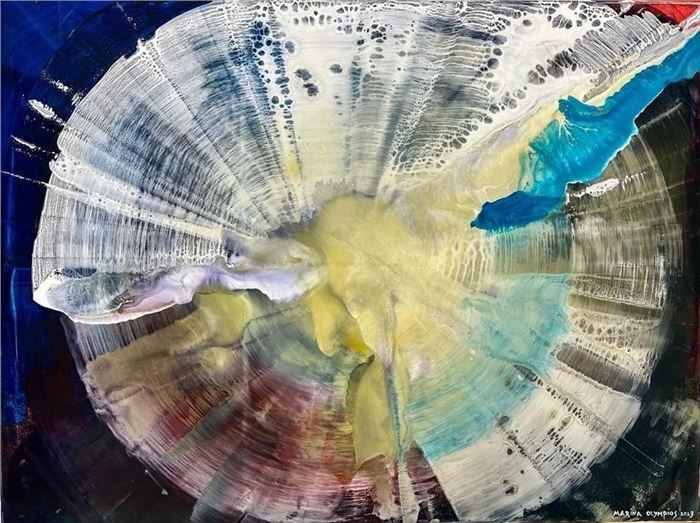
Sociologist Richard Sennett, in his work on the nature of craftsmanship, argues that manual making involves deep, tacit knowledge that cannot be reduced to computation. Painting embodies this tactile intelligence. The artist is in a constant dialogue with the materials: responding to the resistance of the surface, the drying time of the paint, the influence of gravity, and the unpredictable accidents that occur in the studio. This responsiveness is fundamentally dialogical, whereas an algorithmic output is essentially predictive. In a future landscape saturated with synthetic, machine-generated images, physical paintings will likely be valued even more highly as undeniable evidence of human agency and craftsmanship.
The Continued Centrality of Painting
Predictions regarding the "death of painting" are as old as the invention of photography in the nineteenth century. Similar premature eulogies were delivered with the advent of conceptual art, video art, and the digital revolution. Yet, painting has proven remarkably resilient, constantly reinventing itself to remain relevant.
Major international exhibitions and biennials continue to feature painting as a central, vital medium. Contemporary artists like Julie Mehretu, Peter Doig, and Cecily Brown demonstrate the extraordinary diversity of the field, engaging with topics ranging from architecture and virtual space to politics and popular culture. Crucially, many modern painters do not reject the digital; they absorb it. It is common for contemporary artists to work from 3D models, digital archives, or AI-generated references, creating a hybrid practice where the digital and the manual inform one another. Painting does not stand in opposition to the digital age; it transforms it.
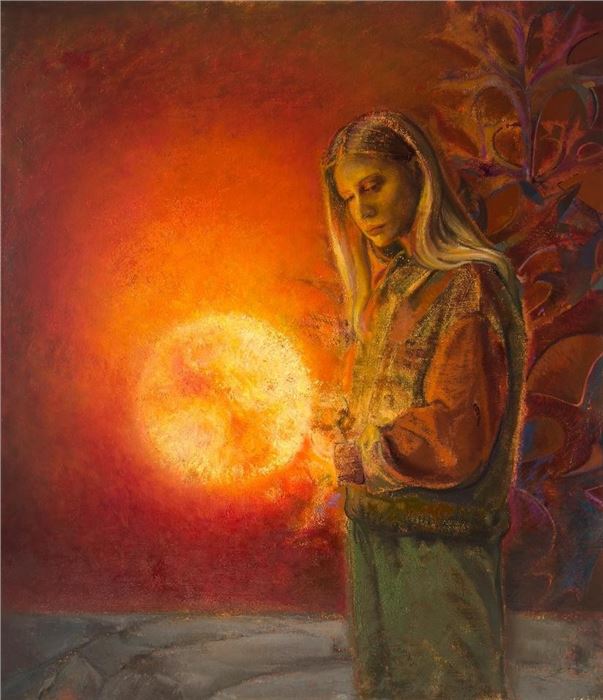
The contemporary art market serves as a practical bellwether for this endurance. While trends in the market naturally fluctuate, painting remains a dominant category in both primary and secondary markets globally. Collectors are drawn to paintings for reasons that transcend mere investment. A painting alters the atmosphere of a home or a public space in a way that a screen cannot. It becomes a permanent, physical companion in daily life. Research into collecting behavior shows that collectors seek out unique, original works to satisfy a desire for personal identity and long-term connection. Even in the age of NFTs and digital collectibles, the desire to own an original, physically present work remains robust.
Ultimately, painting serves as a vital bridge in our cultural memory. It connects us to a lineage of human creativity that stretches back to the earliest cave paintings. This historical continuity does not render the medium conservative; rather, it provides a vast, rich language that contemporary painters use to challenge, fragment, and innovate. At a time when digital platforms prioritize novelty and rapid obsolescence, painting offers a sense of historical weight. It reminds us that images can endure, accumulate layers of meaning, and participate in a dialogue that spans generations.
The question of whether painting can survive the digital age has been answered: it already has. The more compelling question is why it remains so essential in a world where images are more abundant than ever. Painting matters because it is material in an immaterial culture; it is slow in a culture of acceleration; it is human in a moment where the lines between human and machine creativity are being blurred. As the art world continues to evolve through new technologies and virtual realities, the fundamental power of painting—the ability of pigment, surface, and gesture to create a profound, singular encounter between one human consciousness and another—remains undiminished. It is a medium that has not only survived the twenty-first century but has found its importance clarified by it.