PARIS — An attempted burglary at the prestigious Musée Nissim de Camondo in Paris was swiftly foiled on Saturday night after the institution’s high-tech security system frightened away the intruder before any historical treasures could be taken, local authorities confirmed.
According to initial reports published by Le Parisien, the lone suspect gained entry to the historic 8th arrondissement museum by smashing a window located near the rear of the property. However, the breach immediately triggered the building’s integrated alarm network. Startled by the sudden activation of the alarms and sirens echoing through the grand halls, the intruder fled the scene empty-handed, leaving behind a trail of shattered glass but no missing artifacts.
The Paris prosecutor’s office announced on Monday morning that investigators have successfully identified a suspect following the incident, though no arrests had been made as of Monday afternoon. The authorities have officially opened an ongoing judicial inquiry into what is legally classified as an “attempted burglary of a dwelling or storage facility.” Representatives from the prosecutor’s office confirmed to Agence France-Presse on Sunday that a preliminary forensic sweep of the premises indicated “no artwork appears to have been stolen.”
In the wake of the incident, Paris police launched a comprehensive investigation, with forensic teams scouring the area for physical evidence and specialized detectives meticulously analyzing closed-circuit television (CCTV) footage captured from cameras surrounding the museum and the immediate neighborhood. The rapid response of the automated security infrastructure is being credited with preventing what could have been a devastating cultural loss for the French capital.
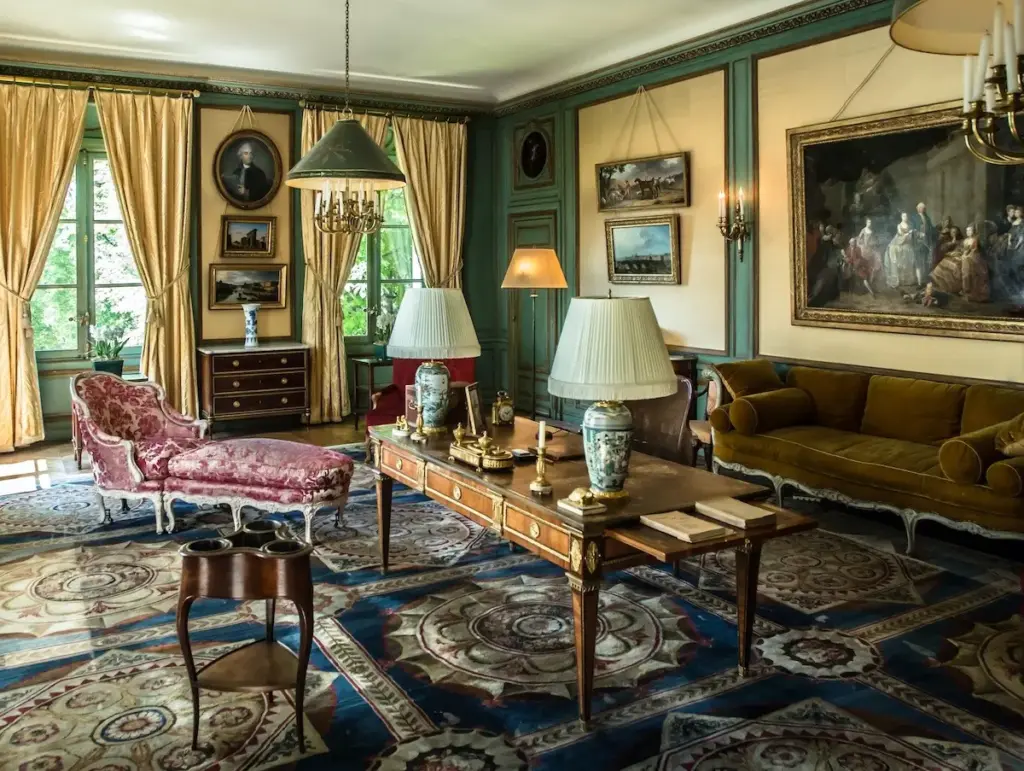
The Musée Nissim de Camondo is widely celebrated by art historians and connoisseurs alike for housing one of the most exquisite, intact collections of eighteenth-century French decorative arts in the world. Situated on Rue de Monceau in a lavish aristocratic mansion modeled after the Petit Trianon at Versailles, the museum preserves the opulent lifestyle and collecting passions of the prominent Camondo banking family. Its impeccably curated rooms feature rare tapestries, eighteenth-century furniture, fine porcelain, and paintings by master artists, all preserved within a meticulously maintained Belle Époque residence.
At the time of the attempted break-in, the museum was closed to the general public as part of a long-term, comprehensive infrastructure and preservation overhaul. The institution has been undergoing extensive renovations aimed at modernizing its climate control, architectural conservation, and visitor facilities, with a grand reopening currently scheduled for 2030. Despite the ongoing construction and the absence of everyday visitors, the museum’s interior remains tightly secured to protect its irreplaceable cultural holdings.
This latest security scare at the Musée Nissim de Camondo arrives amid heightened anxiety and heightened scrutiny surrounding security protocols at cultural institutions across France and broader Europe. The art world has been on high alert following a series of brazen thefts and security breaches targeting major museums in recent years. Most notably, the international heritage community was shaken by a high-profile heist at the Louvre Museum in October 2025, which prompted intense public debate regarding the physical vulnerabilities of historic public repositories.
In response to those mounting security challenges and a series of alarming security reviews, the French Ministry of Culture issued formal guidance in July. As part of a sweeping, nationwide blueprint designed to fundamentally bolster the safeguarding of national treasures, the ministry recommended that institutions consider temporarily removing ultra-high-value objects and vulnerable decorative arts from active public display while security upgrades are phased in across the country.
While the Musée Nissim de Camondo was already closed for planned renovations, the Saturday night incident underscores the persistent threats faced by cultural storehouses and highlights the critical importance of robust electronic surveillance, rapid response infrastructure, and vigilant law enforcement coordination. As the investigation continues, Paris police are urging anyone with pertinent information regarding suspicious activities near the museum late Saturday night to come forward as they work to locate and apprehend the identified suspect.