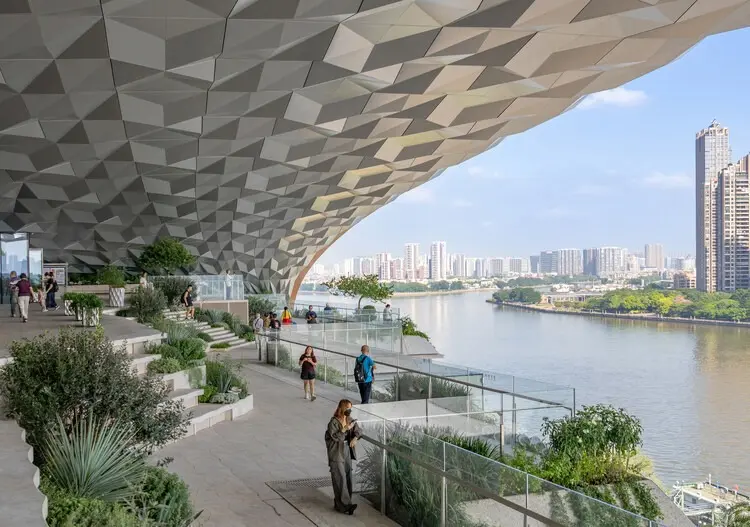
In the bustling urban fabric of Guangzhou, a transformative vision for public space is taking shape along the Pearl River. The architectural and landscape collaborative UTE Agence Ter and Ana Coello de Llobet have released comprehensive details regarding their design for Bai’etan, a major urban revitalization project that promises to redefine how citizens interact with both their historic neighborhoods and the natural waterway that defines the region. Through a continuous, multilevel public landscape, the project sets out to mend the historical disconnections between the dense urban environment and the dynamic riverfront, fostering new value through everyday use and thoughtful spatial relationships.
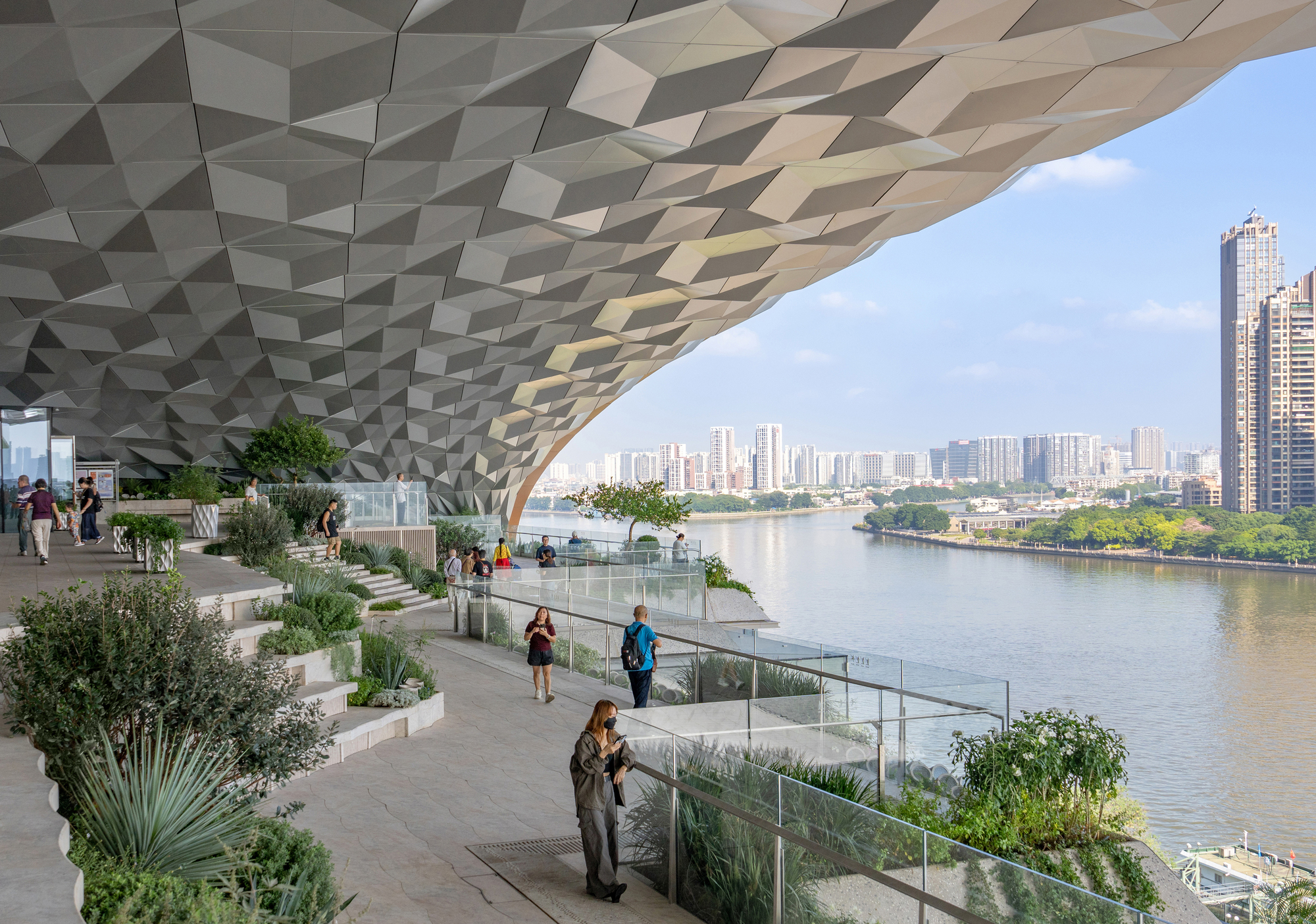
The Bai’etan area in Guangzhou has long held a crucial position in the geographic and cultural identity of the city. However, as rapid modernization and urban expansion transformed the surrounding districts, many historic neighborhoods found themselves physically and visually isolated from the Pearl River. The collaborative design intervention led by UTE Agence Ter and Ana Coello de Llobet directly addresses this challenge by introducing a sophisticated network of public spaces designed to weave the urban fabric back together. Rather than treating the riverfront as a mere edge or boundary, the design treats it as a central connective tissue, integrating water, heritage, and daily life into a cohesive spatial continuum.
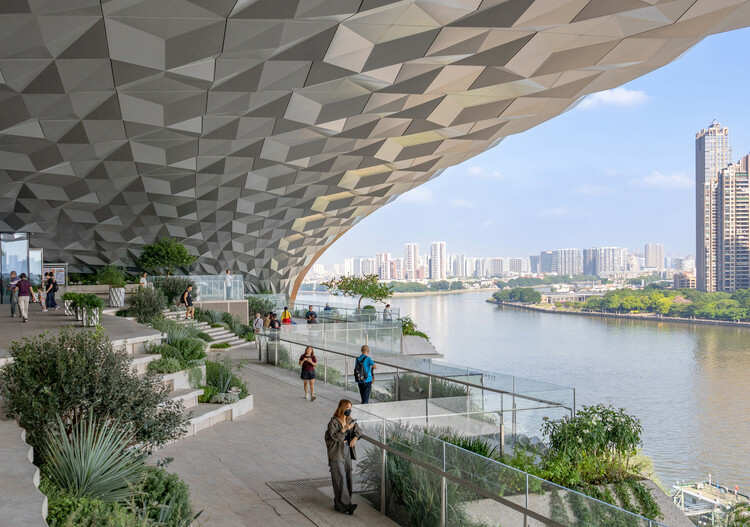
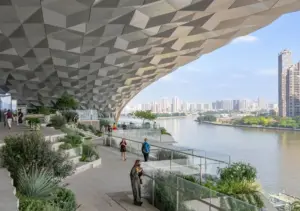
At the core of the design philosophy is the implementation of a continuous, multilevel public landscape. By operating across various elevations, the architects and landscape designers have managed to maximize the utility of the site while resolving complex infrastructural and topographical constraints. This multi-layered approach ensures that pedestrian movement remains fluid and unobstructed, allowing visitors and residents to transition seamlessly from the interior urban fabric down to the water’s edge. Plazas, promenades, green corridors, and historic conservation districts are thoughtfully linked through this vertical and horizontal layering, creating a dynamic public realm that accommodates both large-scale civic gatherings and intimate, quiet moments of respite.
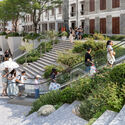
The integration of historic preservation districts within the broader landscape framework represents a particularly delicate and significant aspect of the project. Guangzhou’s rich cultural heritage is embedded in the architectural remnants and historic layouts of Bai’etan. Instead of displacing these elements in favor of uniform modern development, the design by UTE Agence Ter and Ana Coello de Llobet honors the area’s past by framing historic zones as active components of the daily public experience. These conservation districts are blended into the continuous landscape strategy, allowing pedestrians to move between centuries-old urban textures and contemporary civic plazas without feeling abrupt shifts in scale or atmosphere.
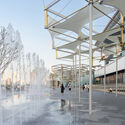
Furthermore, the project emphasizes the creation of economic and social value through everyday usability. Traditional large-scale urban interventions often risk becoming monumentalized spaces that lack vitality, but the Bai’etan design prioritizes human-centric interactions and the spontaneous rhythms of daily life. By establishing new relationships between the existing environmental conditions and modern urban demands, the landscape provides flexible spaces that can adapt to seasonal changes, cultural festivals, and recreational routines. The riverfront plazas and leisure districts serve as accessible stages for public life, encouraging citizens to reclaim the Pearl River as an active part of their daily routines.
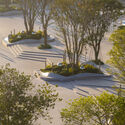
The visual and material language of the project reinforces its commitment to blending nature with urbanity. Extensive photographic documentation of the riverfront plazas, historic conservation districts, and leisure zones highlights a careful balance of hardscape and softscape elements. Native plantings, water management systems, and pedestrian-friendly paving materials are integrated throughout the site to ensure ecological resilience while offering a welcoming sensory experience. The interplay between open plazas and shaded green pockets creates microclimates that mitigate the urban heat island effect, making the public spaces comfortable for year-round use.
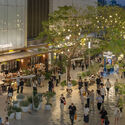
As urban centers across the globe continue to grapple with the pressures of densification and climate change, projects like the Bai’etan redevelopment in Guangzhou offer a compelling model for sustainable waterfront regeneration. By prioritizing continuity, accessibility, and the preservation of local identity, UTE Agence Ter and Ana Coello de Llobet have crafted a public landscape that bridges the gap between past and future. The completion of this ambitious initiative marks a significant milestone in Guangzhou’s ongoing evolution, demonstrating how thoughtful landscape architecture can heal urban fragmentation and breathe new life into historic riverfronts.