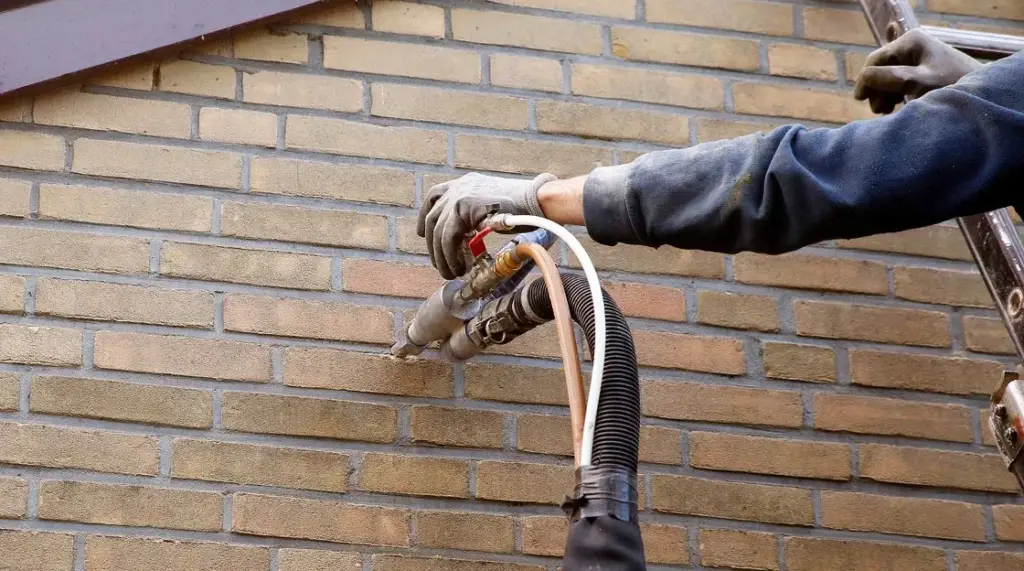
As households across the country continue to navigate fluctuating energy markets and rising household expenses, property experts and energy specialists are placing renewed focus on a tried-and-tested home improvement measure: cavity wall insulation. Designed to create a thermal barrier between a building’s interior and exterior walls, this installation process is increasingly recognized as one of the most effective ways to lower domestic energy consumption, boost year-round indoor comfort, and shrink a household’s overall carbon footprint.
Unlike traditional insulation methods that focus strictly on roof spaces or internal surfaces, cavity wall insulation tackles the structural gap inherent in many modern and semi-modern buildings. According to recent industry studies, implementing this measure can yield savings of up to 25% on annual heating bills, presenting a robust financial investment for homeowners looking to secure long-term relief from rising utility costs.
What is Cavity Wall Insulation?
At its core, cavity wall insulation involves filling the narrow void—known as the cavity, which typically measures between 50mm and 100mm wide—situated between the interior and exterior masonry leaves of a building. By introducing a specialized insulating medium into this space, property owners create a continuous thermal barrier that drastically curtails the transfer of heat from the inside out.
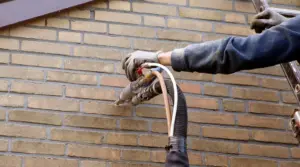
Industry professionals generally utilize two primary methods for retrofitting insulation into these wall cavities: the blown method and the injected method. Blown insulation typically involves utilizing specialized pneumatic equipment to propel loose-fill materials, such as specially treated mineral wool or expanded polystyrene beads, directly into the wall space. Conversely, the injected method requires technicians to drill a systematic pattern of small access holes into the exterior mortar joints, through which the insulating substance is pumped under controlled pressure before the holes are neatly repointed. Both techniques are highly effective and can be seamlessly applied to a wide majority of standard residential properties.
The Multifaceted Benefits for Modern Households
The advantages of retrofitting a property with cavity wall insulation extend far beyond simple financial savings. Energy analysts and environmental advocates point to a cascading array of benefits that directly impact daily living standards and broader ecological targets.
Reduced Energy Bills
The most immediate and tangible benefit for most homeowners is the substantial reduction in monthly or quarterly heating expenditures. Because the insulation effectively traps domestic heat inside the living spaces, heating systems do not have to work nearly as hard or run as frequently to maintain a comfortable ambient temperature.
Data compiled by the Energy Saving Trust indicates that properly installed cavity wall insulation can save typical households anywhere from £180 to £690 annually on their heating bills, depending on the scale and thermal efficiency of the property. When multiplied across the typical 25-year lifespan of the material, these savings accumulate into a substantial financial buffer for families navigating long-term economic planning.
Increased Indoor Comfort
Beyond the financial ledger, cavity wall insulation fundamentally transforms the interior climate of a home. Uninsulated walls often act as major sources of radiant cold, creating localized drafts, temperature disparities between rooms, and persistent cold spots. By neutralizing these thermal leaks, insulation helps stabilize indoor temperatures, keeping rooms significantly warmer throughout the biting winter months while preventing excessive heat penetration during the height of summer.
Reduced Carbon Footprint
In an era where national and international climate goals increasingly hinge on domestic decarbonization, individual household efficiency plays a critical role. Because cavity wall insulation directly decreases the volume of fuel required to heat a property, it results in an immediate drop in greenhouse gas emissions associated with residential energy use. For homeowners seeking practical ways to shrink their personal carbon footprint, this structural upgrade offers a permanent, maintenance-free environmental dividend.
Increased Property Value
As energy efficiency becomes an increasingly dominant priority for prospective buyers navigating the real estate market, properties boasting verified thermal improvements command distinct advantages. A home equipped with professional cavity wall insulation often secures a higher Energy Performance Certificate (EPC) rating, making it a considerably more attractive and marketable asset in a competitive housing sector.
Assessing the Financial Investment
While the long-term returns are well-documented, homeowners naturally weigh the initial capital outlay required for the installation. The total cost of retrofitting cavity wall insulation can vary depending on several variables, including the physical dimensions of the property, the specific architectural layout, the chosen insulating medium, and the complexity of the installation process.
For a standard semi-detached house, average installation costs generally hover between £900 and £1,200. While this initial expenditure requires careful household budgeting, financial advisors consistently emphasize viewing the project through the lens of a long-term investment. When offset against annual heating bill reductions and potential increases in overall property equity, the upfront costs are typically recouped within a predictable timeframe.

Determining Property Suitability
It is important to note that not every residential building is structurally compatible with cavity wall insulation. Architectural heritage, construction era, and specific environmental exposures dictate whether a property can safely accommodate the materials.
Older properties constructed before the widespread adoption of cavity walls—such as those featuring solid brick walls—lack the necessary internal gap entirely. Conversely, homes constructed after the 1990s were typically built with high standards of insulation integrated directly into the construction phase, meaning they likely already possess adequate thermal protection.
For homeowners uncertain about the structural makeup of their property, industry standards recommend scheduling a professional property survey. Accredited insulation specialists utilize specialized endscopic equipment and thermal imaging to inspect the interior of the walls, confirming whether a cavity exists, measuring its width, and assessing its current condition or presence of existing, degraded insulation.
The Professional Installation Process
Because retrofitting insulation into wall cavities requires specialized trade skills, industrial-grade pneumatic machinery, and precise diagnostic techniques, it is rarely viewed as a viable do-it-yourself project. Ensuring proper coverage without leaving thermal bridges or obstructing ventilation paths demands professional execution.
Homeowners are strongly advised to engage reputable, certified insulation contractors registered with relevant industry bodies. Established firms—such as Dyson Energy Services, which has operated within the UK residential efficiency sector since 1982—bring decades of technical expertise to ensure installations comply with strict building regulations and quality control standards.
Selecting the Right Insulation Material
When planning an installation, property owners are generally presented with several material options, each characterized by distinct performance metrics. The most common substances deployed in modern cavity wall insulation projects include mineral wool, expanded polystyrene (EPS) beads, and specialized synthetic foams.
Mineral wool offers exceptional fire resistance and acoustic dampening properties, making it a popular choice for urban environments. Polystyrene beads provide high moisture resistance and excellent thermal retention capabilities, flowing smoothly into irregular or narrow cavities during the injection process. Foam solutions, meanwhile, are frequently selected for properties situated in exposed geographic regions subject to high wind-driven rain, as they form an impenetrable, cohesive barrier against moisture ingress.
Specialists evaluate local weather patterns, prevailing winds, wall orientation, and structural integrity to recommend the most appropriate material for each unique property.
Maintenance and Long-Term Upkeep
One of the defining advantages of cavity wall insulation is its passive nature. Once successfully installed within the structural envelope of the building, the materials require virtually no active maintenance or mechanical upkeep over their decades-long operational lifespan.
However, building experts recommend that homeowners remain vigilant regarding general property maintenance. Periodic visual checks of interior and exterior walls help ensure that the building envelope remains watertight. The sudden appearance of persistent damp patches, internal condensation, or localized mold growth can sometimes indicate a compromised damp-proof course or bridging within the cavity, signaling the need for a professional inspection to safeguard the integrity of both the building structure and the insulation within.
Conclusion
As the pressure to manage household expenditures and reduce environmental impact intensifies, cavity wall insulation remains a foundational strategy for modern residential efficiency. By establishing a permanent thermal barrier, homeowners can effectively protect their living spaces against rising heating costs, elevate indoor thermal comfort, and contribute meaningfully to broader carbon reduction targets. Through careful consultation with accredited professionals and the selection of materials tailored to specific architectural needs, investing in cavity wall insulation offers enduring value for properties and their occupants alike.