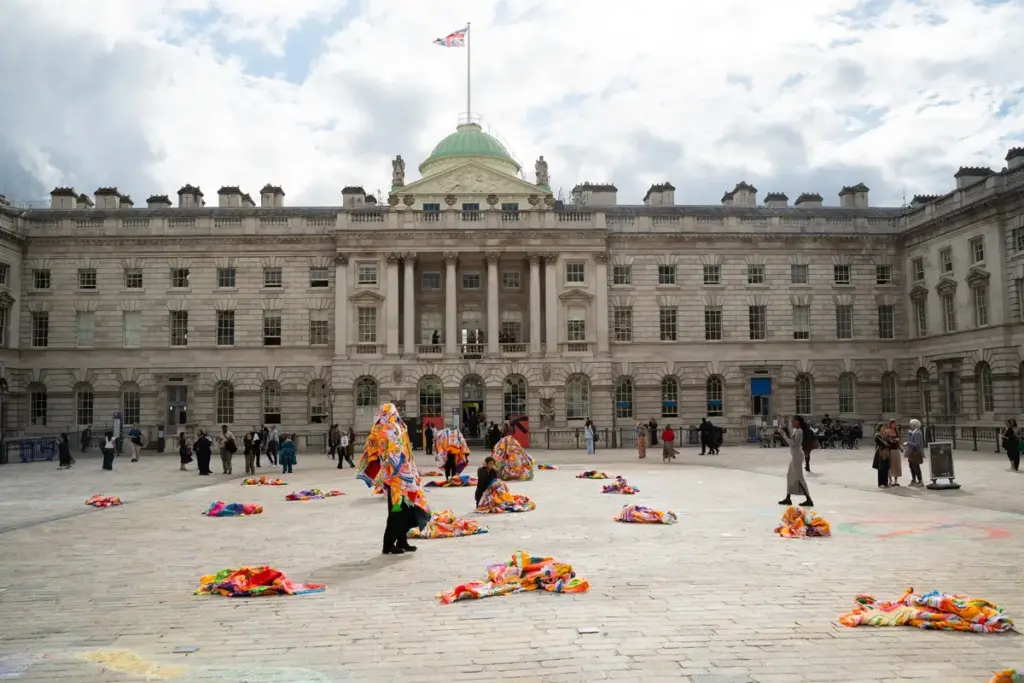
The 1-54 Contemporary African Art Fair has officially returned to London for its landmark fourteenth edition, bringing a vibrant convergence of established masters and emerging contemporary talents to the historic setting of Somerset House. This year’s edition of the prominent international art fair introduces a dedicated new section specifically focused on African modernism, curated by renowned art historian Nancy Dantas. Titled “West Wind” and taking direct inspiration from Miriam Makeba’s iconic 1966 anthem for unity, the specialized presentation arrives at a crucial moment for the global art market. It directly addresses the noticeable gap left by major auction houses following Sotheby’s decision to close its dedicated African modernism department in 2025.

By showcasing essential mid-century modern masters—such as Ibrahim El-Salahi, Bertina Lopes, and Seyni Awa Camara—the curated section celebrates a remarkably rich and vibrant period of political, social, and aesthetic liberation across the African continent and its expansive diaspora. Through this thoughtful integration of historical context and contemporary creation, the fair successfully bridges past achievements with future artistic trajectories, illuminating the profound depth and diversity of the continent’s cultural landscape for international collectors, curators, and enthusiasts alike.

Running through Sunday at its familiar venue in the heart of London, the 14th edition of 1-54 continues to reinforce its position as a leading global platform for contemporary African art. The atmospheric courtyards and neoclassical galleries of Somerset House provide a striking backdrop for the dynamic range of performances, sculptures, paintings, and mixed-media works presented by galleries hailing from across Africa, Europe, North America, and beyond. As the global conversation surrounding the repatriation, visibility, and market valuation of African art continues to evolve, initiatives like "West Wind" serve as vital anchors for institutional recognition and scholarly re-evaluation.

The inclusion of historic works alongside cutting-edge contemporary pieces creates an ongoing dialogue between generations of artists who have grappled with identity, decolonization, modernization, and the global diaspora. Observers and attendees walking through the fair’s sprawling network of booths will encounter a tapestry of visual narratives that span decades of artistic innovation. From the intricate, meditative ink and canvas works of Sudanese modernist pioneer Ibrahim El-Salahi to the powerful, textured compositions of Mozambican-Italian painter Bertina Lopes, the fair offers a comprehensive masterclass in the evolution of modern and contemporary aesthetics from the continent.

The overarching vision of 1-54 has always been to challenge monolithic perceptions of African art by presenting a multifaceted, decentralized view of creativity that honors local nuances while participating in a global discourse. Founded to address the underrepresentation of African and diaspora artists within mainstream international art markets, the fair has steadily expanded its footprint over the past decade and a half, establishing satellite editions in prominent cities such as New York and Marrakech while maintaining its flagship London event as a cornerstone of the autumn art calendar.

This year’s curation under Nancy Dantas further elevates the intellectual rigor of the fair, providing critical context to works that have historically been overlooked or marginalized by mainstream Western art history canons. The conscious nod to Miriam Makeba through the title “West Wind” infuses the physical galleries with a palpable sense of historical consciousness and cultural resilience. Makeba, an exiled South African singer and civil rights activist whose music championed pan-African unity and anti-apartheid resistance, remains a potent symbol of artistic expression intertwined with political struggle. The artworks selected for this showcase similarly reflect a period when newly independent African nations were forging fresh cultural identities, experimenting with abstraction, symbolism, and indigenous motifs to articulate a modern world through an autonomous lens.

The timing of this focused modernism showcase is particularly significant given recent shifts in the institutional and commercial infrastructure supporting African art. When Sotheby’s wound down its dedicated African modernism department, it raised valid concerns within the art community regarding the long-term market stability and institutional championing of mid-century masters from the region. By stepping into this void, 1-54 demonstrates its enduring commitment to sustaining a robust commercial and scholarly ecosystem for these vital historical figures. The presence of masterworks by artists like Seyni Awa Camara—whose evocative terracotta sculptures draw deeply on West African mythology and the human condition—ensures that the foundational pillars of modern African art remain visible, studied, and celebrated by contemporary audiences.

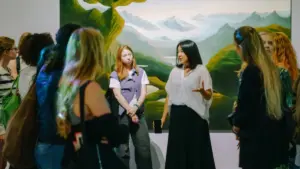
As visitors navigate the labyrinth of rooms inside Somerset House, they are greeted by an array of booths that highlight the sheer breadth of mediums and conceptual frameworks currently defining the scene. Gallerists report robust international interest from both seasoned collectors and emerging patrons eager to acquire works that tell complex stories about history, politics, ecology, and identity. The fair’s commitment to fostering dialogue is further enhanced by an engaging series of public programs, panel discussions, and special projects that run parallel to the commercial booths, encouraging deeper critical engagement with the ideas shaping the contemporary art world.

With the fair set to conclude its run on Sunday, the 14th edition of 1-54 London cements its reputation not merely as a marketplace, but as an essential cultural institution that continuously redefines the boundaries of global art history. By honoring the pioneers of the mid-20th century while championing the voices of today, the fair ensures that the dynamic currents of African creativity continue to shape the future of the international art landscape.