Following last week’s nostalgic trip back to the very beginning of the Garden Photos of the Day (GPOD) series, reader enthusiasm prompted an immediate return to the archives. When the feature launched back in January 2010, each daily post was a straightforward offering: a single, striking garden photo accompanied by a concise caption or story. Continuing directly from where the initial retrospective left off, this installment reviews GPODs 11 through 20, showcasing a diverse array of garden spaces, innovative planting techniques, unique design strategies, and memorable botanical specimens captured by photographers across the country.
Exploring the Next Ten Stops in the GPOD Archives
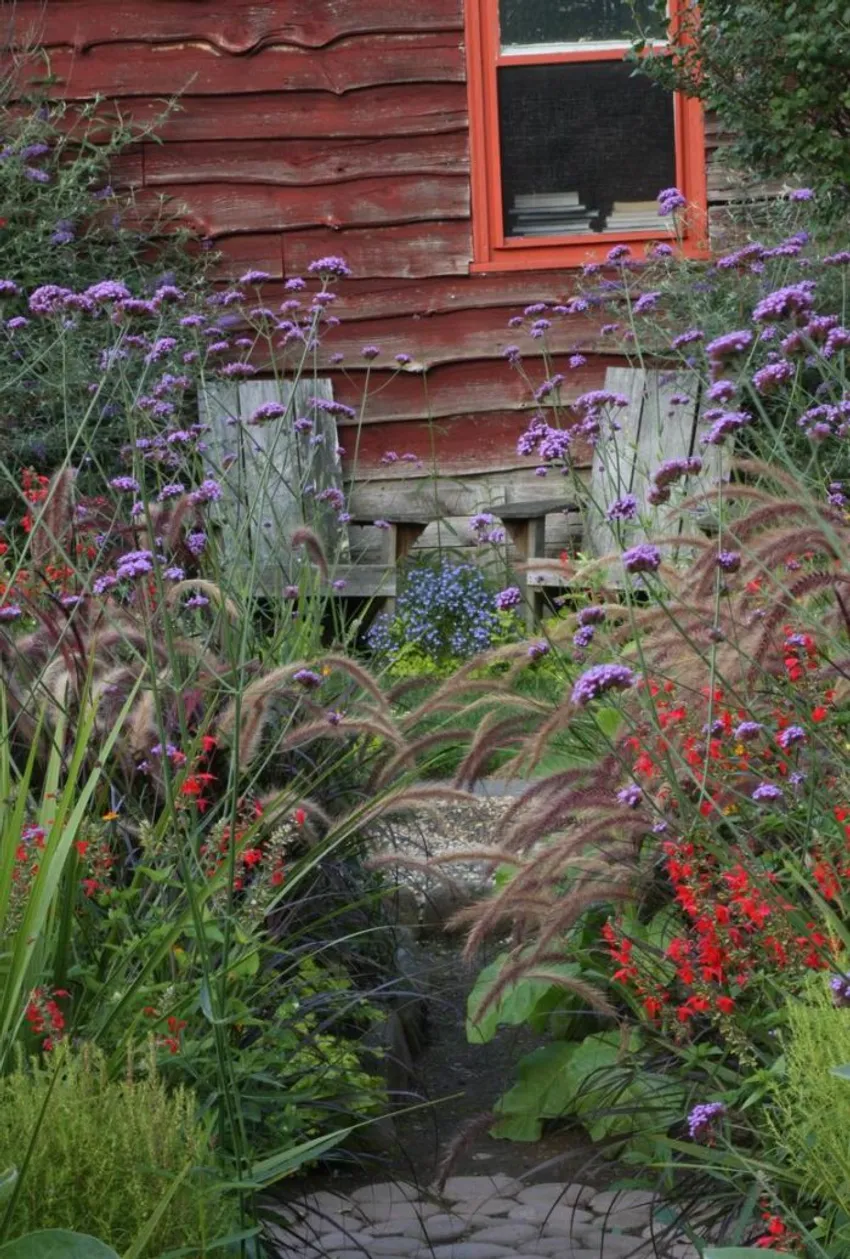
The journey through the early days of the archives begins with a secluded garden seating area in Dean Riddle’s garden, located in the Catskills region of Upstate New York. Captured by photographer Kerry Ann Moore, the path leading to this tucked-away getaway is flanked by fine-textured, self-sown plants that spill gracefully over the edges. The exuberant, informal planting style adds a casual yet effective sense of privacy to the small retreat, demonstrating how letting nature take a slightly unmanaged course can create intimate garden spaces.
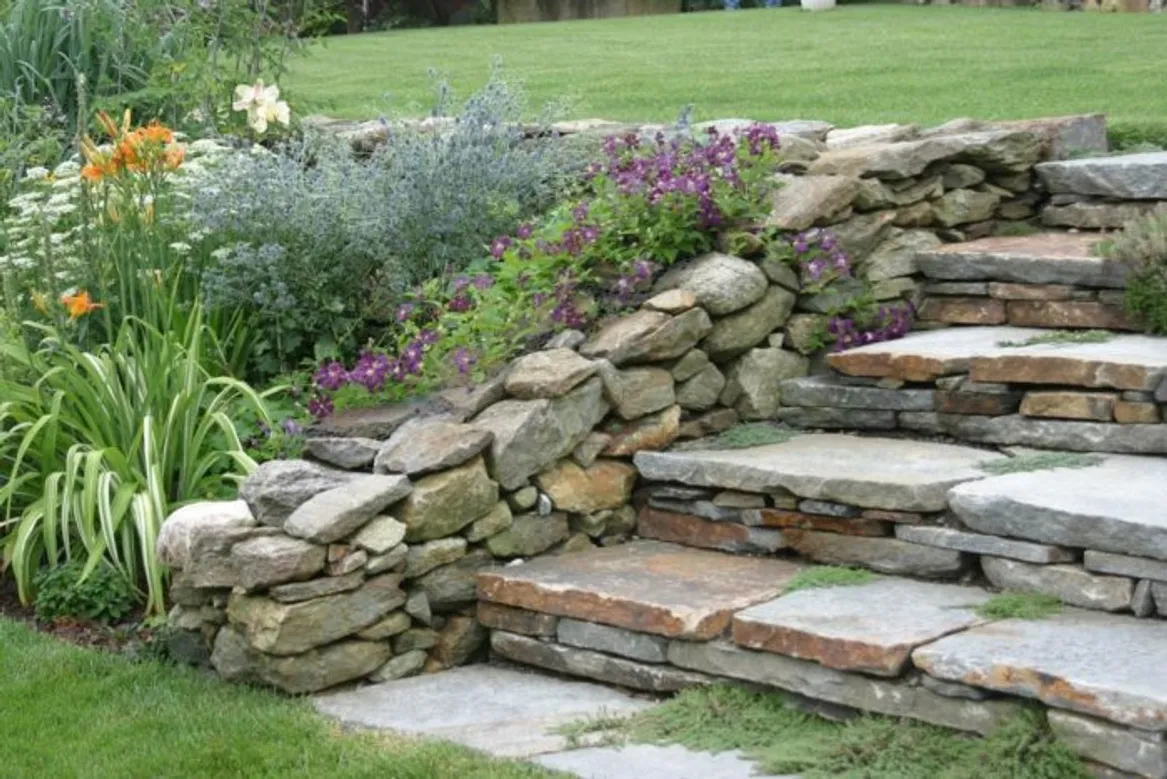
Moving southward to South Kent, Connecticut, the archives highlight an innovative approach to vertical gardening by garden designer Rebecca Batchie. Photographed by Michelle Gervais, a clematis was allowed to ramble freely across a piece of chicken wire mounted atop a stone wall. Rather than relying on a traditional trellis, this technique successfully carpets the hardscape boundary, softening the transition between the structural stone wall and the flowering perennial border below.
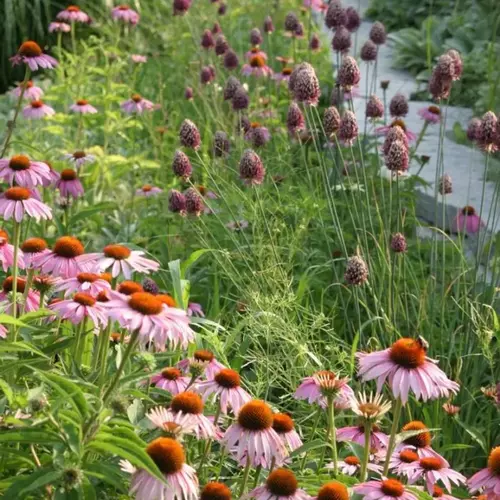
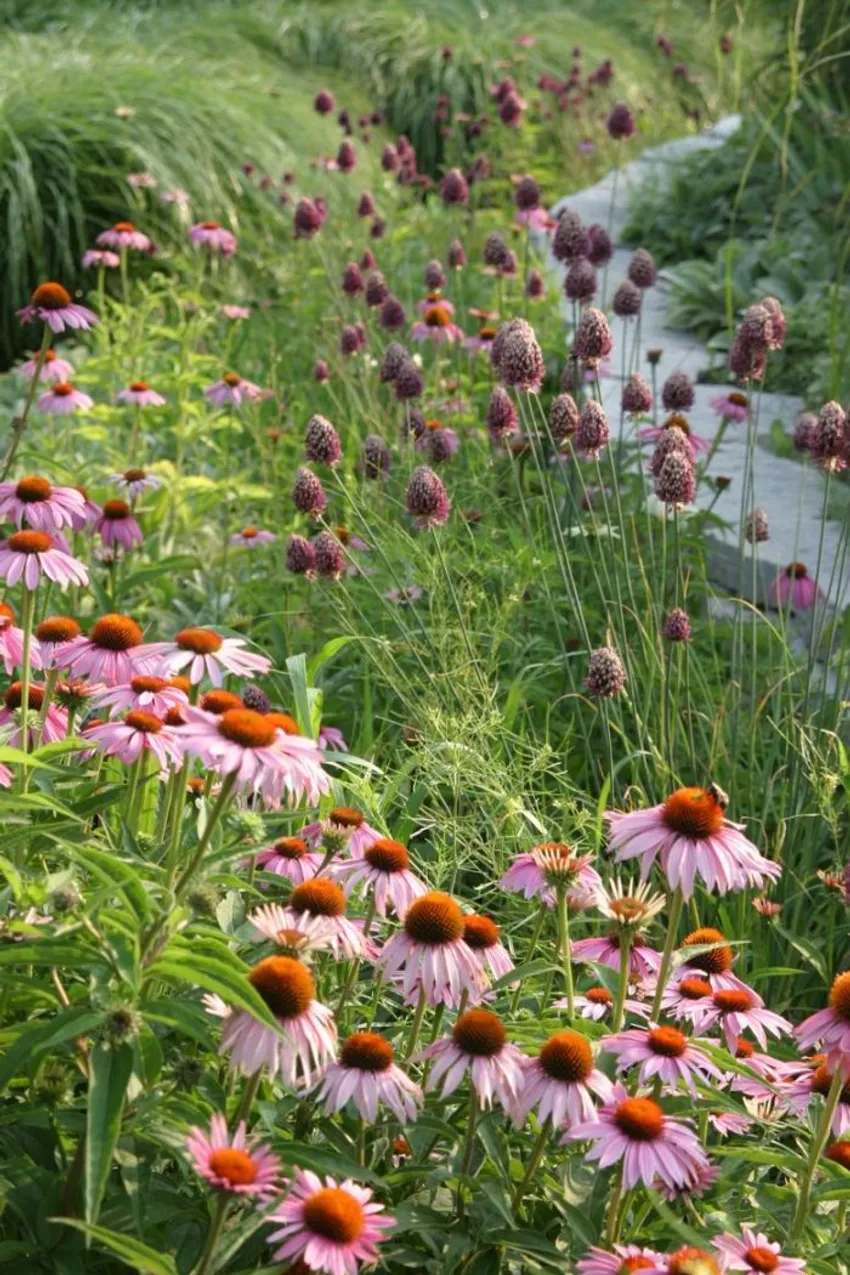
In East Lansing, Michigan, the healing garden at Michigan State University’s radiology department offers a lesson in meadow-style planting. Designed by Janet Gauthier and captured by Michelle Gervais, the landscape features sweeping drifts of purple coneflower (Echinacea purpurea, Zones 3–9) and drumstick allium (Allium sphaerocephalon, Zones 4–11) swaying together in the breeze, creating a harmonious and uplifting purple and pink pairing.
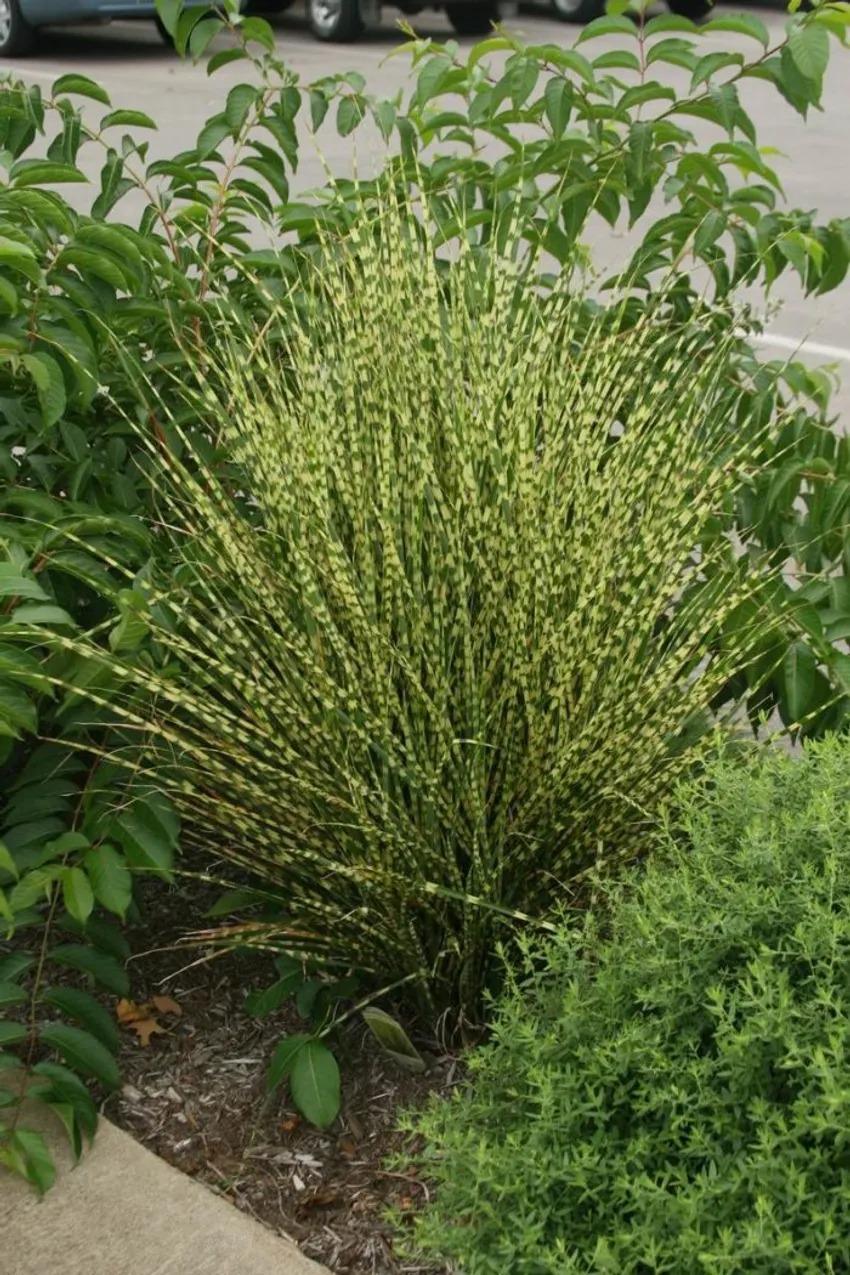
Ornamental grasses also take center stage in the archives with a look at ‘Gold Bar’ miscanthus (Miscanthus sinensis ‘Gold Bar’, Zones 5–8) at the West Tennessee Research and Education Center in Jackson, Tennessee. Developed by Joy Creek Nursery in Scappoose, Oregon, this compact ornamental grass features heavily banded, yellow-and-green blades that inject vibrant energy into a planting scheme without aggressively crowding neighboring plants. Preferring full sun and moist, well-grained soil, these plants eventually reach a height of four to five feet.
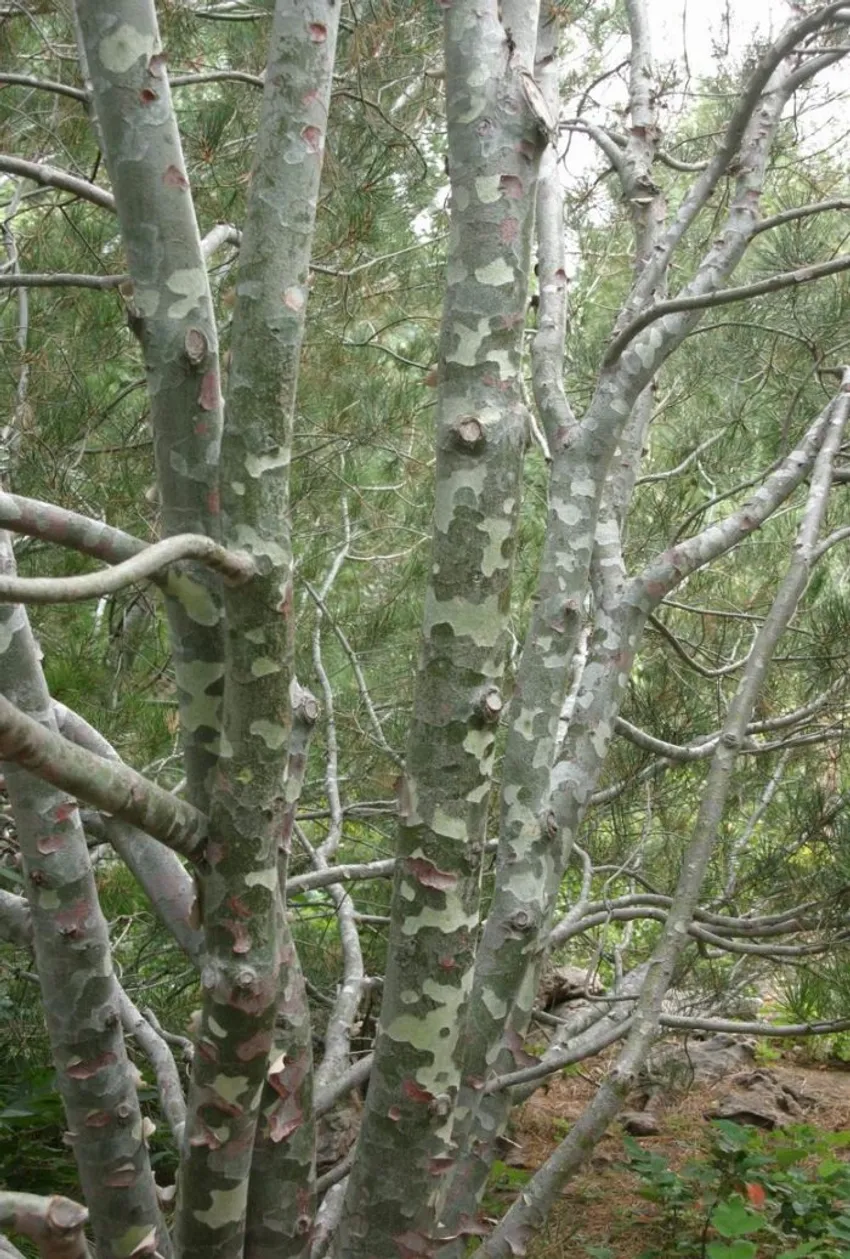
Winter interest is often defined by evergreen needles, but the lacebark pine (Pinus bungeana, Zones 4–7) photographed at the Denver Botanic Gardens elevates evergreen presence with striking visual assets. Native to China, this pine features a mottled, peeling bark that reveals a multicolored trunk. Growing up to 50 feet tall and 20 feet wide in full sun and well-drained soil, it proves that pines can offer year-round ornamental appeal beyond their needles.
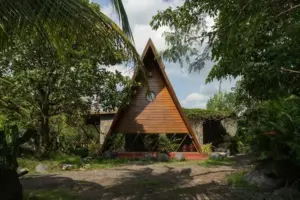
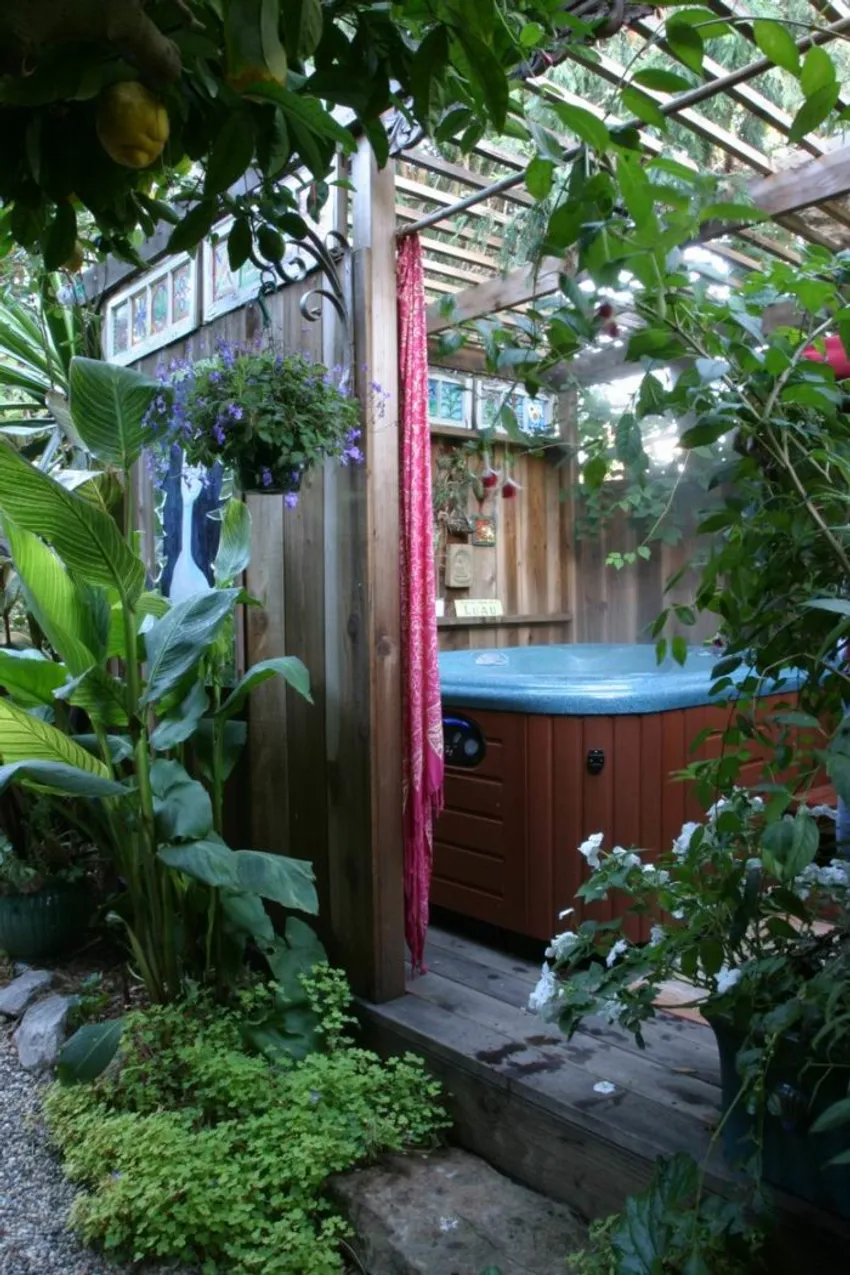
For those seeking privacy and relaxation, a tropical-inspired garden hideaway in Oakland, California, designed by Tom Nelson and Randy Bolin, offers an inspiring blueprint. Nestled out of sight from the main house, this covered hot tub structure is surrounded by lush tropical foliage, climbing vines, and personal artwork and mementos collected from the designers’ travels. The open roof framework allows bathers to catch glimpses of the moon and stars through the overhead canopy at night.
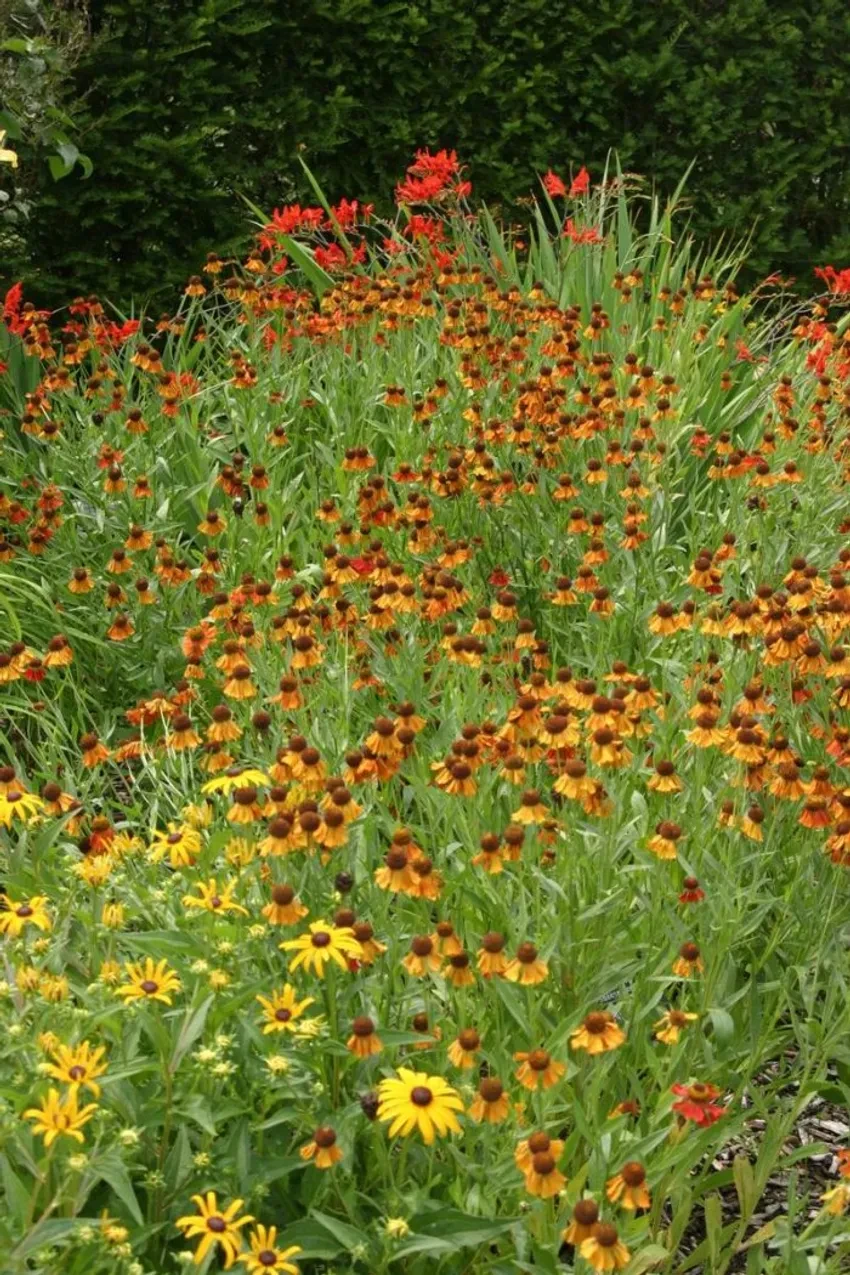
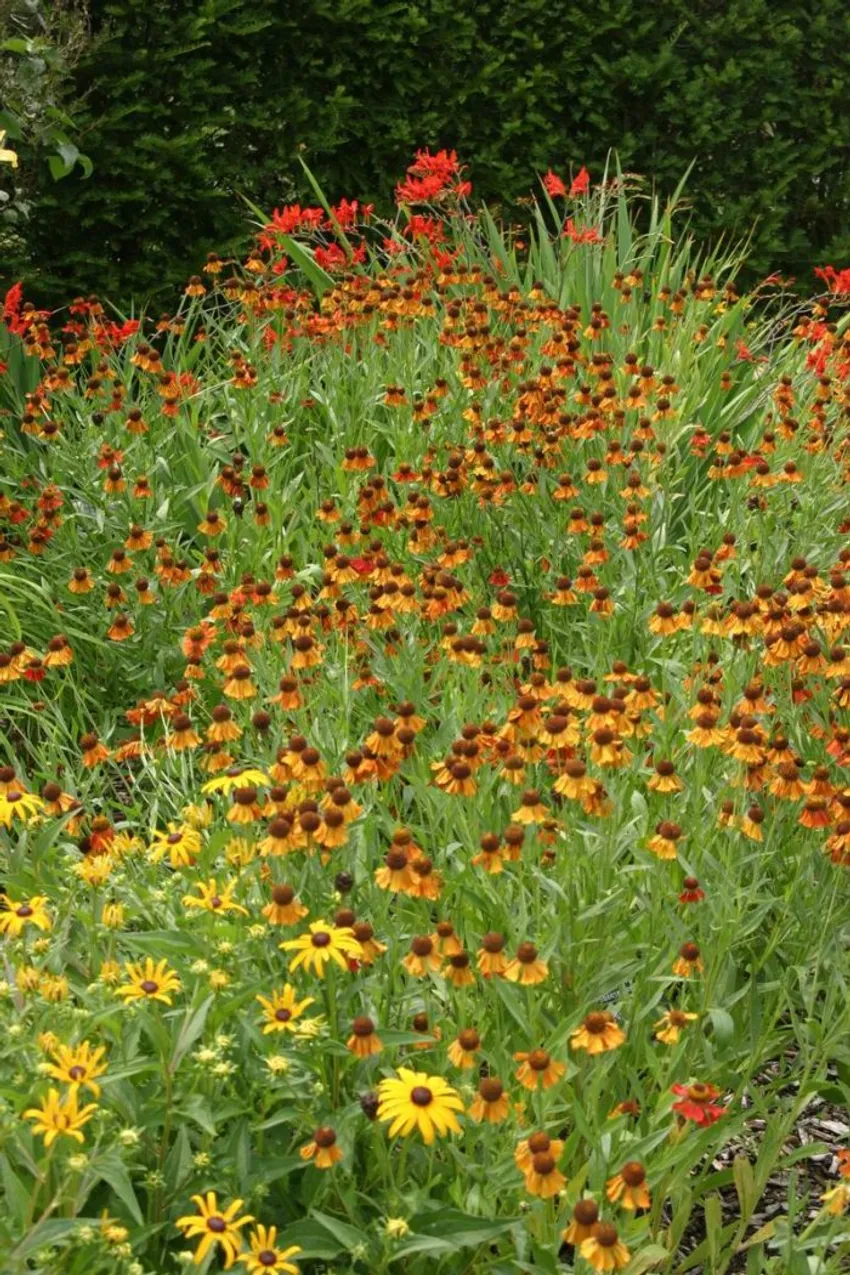
Color combinations run hot at the Toledo Botanical Garden in Ohio, where a fiery perennial pairing brings together yellow black-eyed Susans (Rudbeckia cvs., Zones 3–9), orange sneezeweed (Helenium cvs., Zones 4–8), and red ‘Lucifer’ crocosmia (Crocosmia ‘Lucifer’, Zones 6–9). The vibrant mix creates a bold, high-contrast spectacle during the growing season.
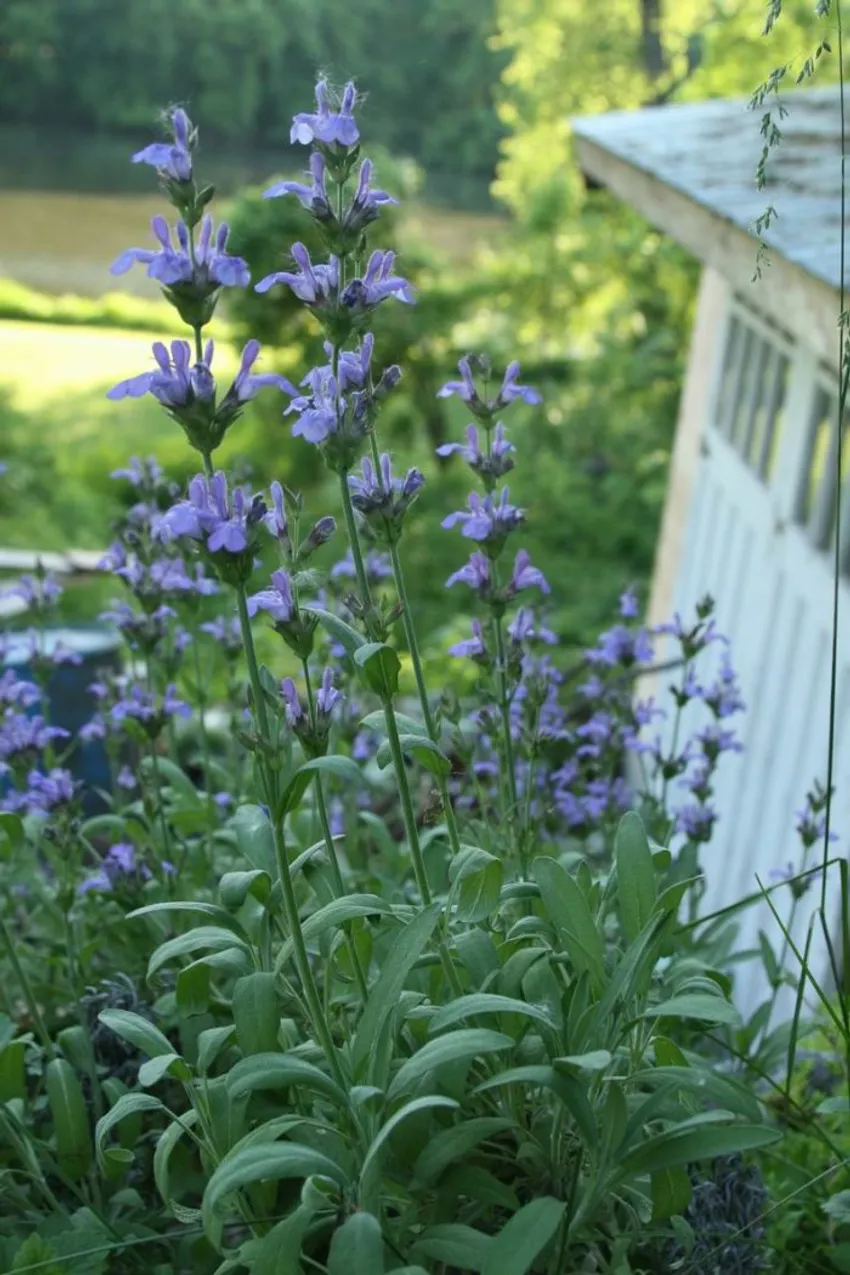
Closer to home in New Milford, Connecticut, common culinary sage (Salvia officinalis and cvs., Zones 5–8) steps out of the herb patch and into ornamental prominence. Photographed in Michelle Gervais’s garden, the plant showcases stunning purple blooms rising above gray-green foliage, proving that productive kitchen herbs can double as striking landscape features when provided with full sun and sharply drained soil.
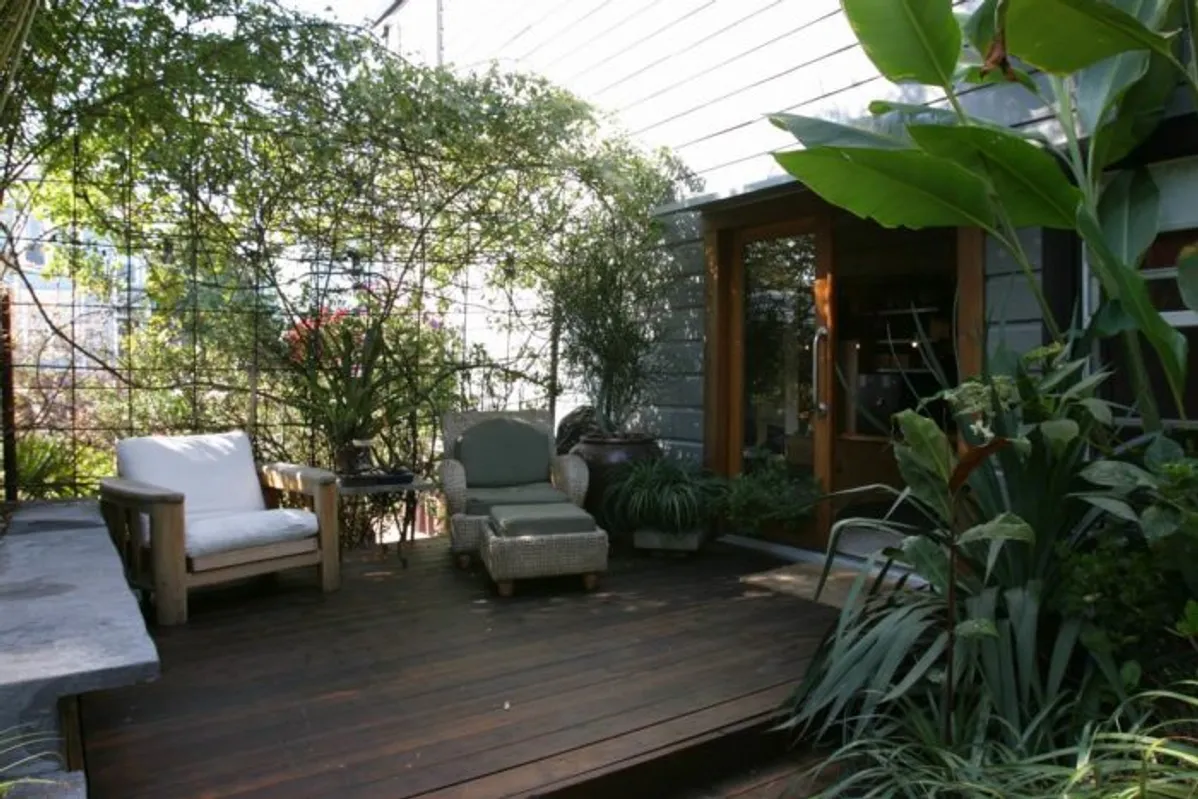
Another garden in Oakland, California, demonstrates how to handle boundary lines without resorting to heavy, solid fencing. By utilizing an open net of wires and vines, the gardener established a visual barrier that lets the space breathe and prevents a shady area from feeling overly dark or enclosed.
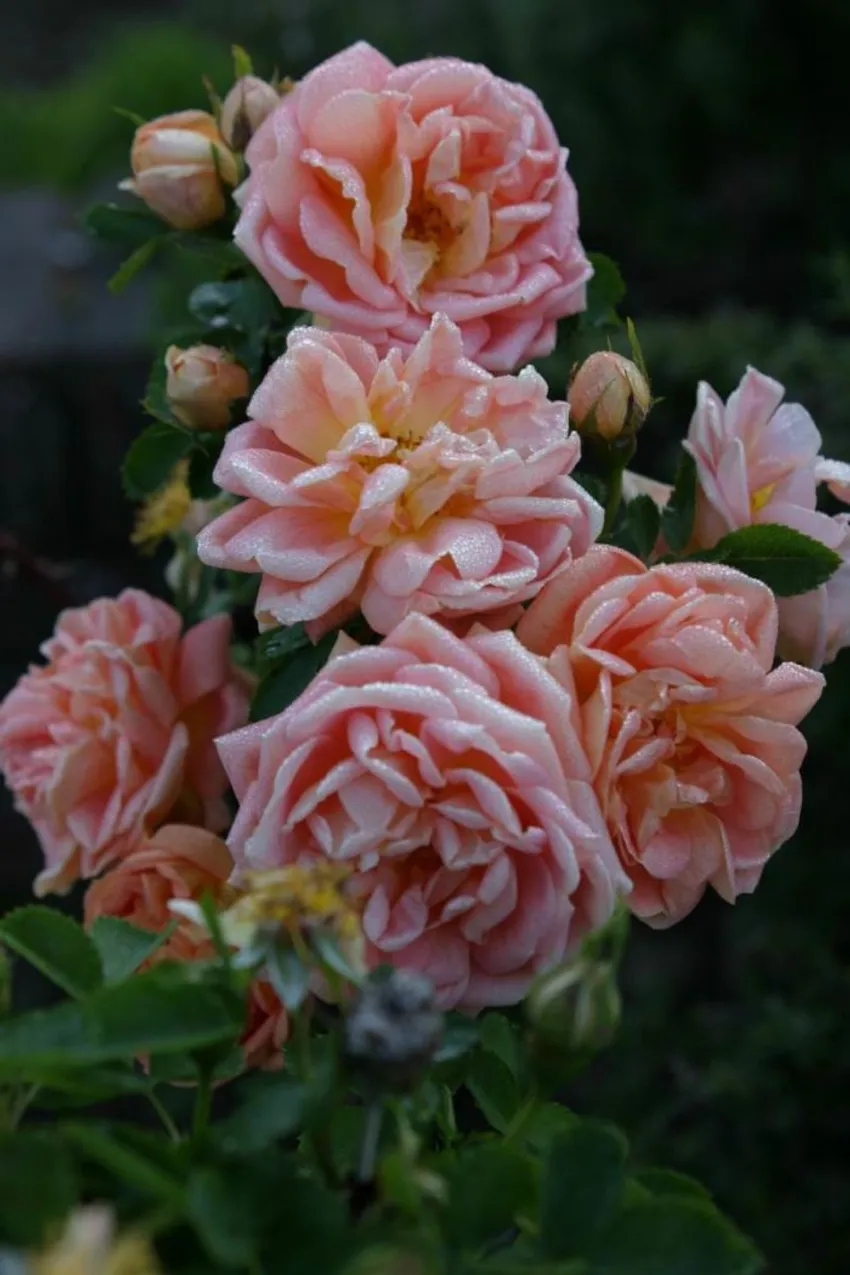
Rounding out this archival segment is the antique ‘Soleil d’Or’ rose. Hailing from the turn of the 19th century, this hybrid foetida rose is renowned for its extravagant, citrus-scented blooms. While it is widely recognized by rosarians as being notably prone to blackspot, many gardeners consider the rewarding fragrance and striking floral display well worth the extra pampering and maintenance it demands in a full-sun location.
Sharing Your Own Garden Stories
Reflecting on these archival posts highlights how much the gardening community values shared perspectives, creative solutions, and personal stories. GPOD creator Michelle Gervais even chimed in on recent comments to suggest digging up an even more remote historical submission from Antarctica, hinting at where future archival explorations might lead.

Gardeners interested in contributing to the ongoing legacy of the feature are encouraged to share their own outdoor spaces, unique plant collections, or memorable garden visits. Submissions can be made through the online Garden Photo of the Day Submission Form. Alternatively, participants can email five to ten photos directly along with details regarding their location, gardening experience, triumphs, lessons learned from failures, future aspirations, favorite plants, and any amusing anecdotes from their gardening journey. Enthusiasts can also sign up to receive GPOD updates directly in their email inboxes.