The global art market is currently witnessing a period of intense activity, characterized by high-profile divestments, significant institutional leadership changes, and a series of dramatic events that underscore both the cultural and monetary value of fine art. From the private collections of contemporary titans to the expansion of regional museums, the landscape of art remains as dynamic and unpredictable as ever.
In the Spotlight: Markets, Heists, and Star Power
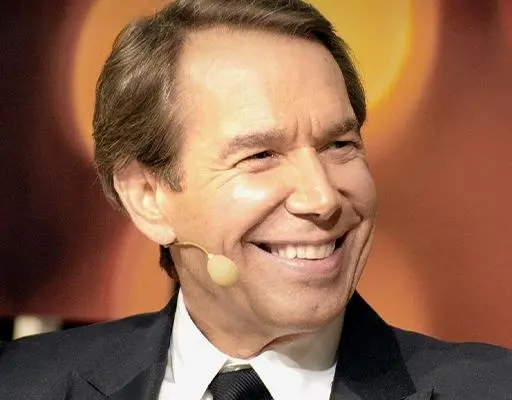
One of the most significant developments in the art market this autumn is the decision by Jeff Koons to offer a substantial portion of his personal art collection for sale. Christie’s is set to auction the trove, valued at approximately $100 million, in the coming months. The collection, largely assembled during an aggressive buying spree in the late 2000s, represents a diverse range of artistic history. It includes masterworks from the Dutch Golden Age, alongside pivotal paintings by modern icons such as Pablo Picasso and Edouard Manet. This move by Koons—himself one of the most recognizable figures in contemporary art—is being closely watched by collectors and market analysts, as it reflects a shift in the holdings of one of the industry’s most influential figures.
While the market experiences this high-value redistribution, the security of rare objects remains a pressing concern. A shocking art heist has occurred in France, where thieves successfully absconded with a 330-pound bronze book cover designed by Salvador Dalí. The piece, titled Livre de l’Apocalypse, is a rare masterpiece that emerged from a collaborative effort between 14 notable artists and writers. Due to its immense weight and the complexity of its design, it is recognized as one of the heaviest and most expensive books ever created. The theft has sent ripples through the art community, serving as a stark reminder of the vulnerability of even the most formidable objects of cultural heritage.
Elsewhere, the intersection of pop culture and the fine art world continues to draw record-breaking interest. RM, the lead member of the globally renowned K-pop group BTS, is making his curatorial debut at the San Francisco Museum of Modern Art (SFMoMA). The exhibition, which focuses on his personal collection of Korean art, has already generated unprecedented buzz, with 50,000 tickets reserved in advance. This collaboration highlights the growing influence of celebrity curators in bridging the gap between mainstream entertainment and institutional art spaces, proving that blockbuster interest can be successfully cultivated when high-profile figures engage deeply with art history.
Institutional Growth and Cultural Preservation
Museums across the globe are reinforcing their commitments to diversity, history, and physical accessibility. In Europe, a significant research partnership has been forged between the Rijksmuseum in Amsterdam and the Museo Nacional del Prado in Madrid. This collaboration is specifically designed to illuminate the often-overlooked roles of women in art and history. The partnership includes the establishment of a formal fellowship program and the development of a major exhibition slated for 2029, signaling a long-term commitment to reshaping the narrative of European art history.
In London, the Zaha Hadid Foundation (ZHF) is taking steps to preserve the legacy of the late, visionary architect. The foundation has successfully transformed Hadid’s former headquarters into a new cultural space. Opening to the public on October 29, the site serves as both a monument to her groundbreaking work and a functional venue for the arts, ensuring that her influence continues to be a tangible part of the city’s architectural landscape.
Meanwhile, in the United States, the Phoenix Art Museum has announced a major financial boost. Philanthropist Sukumar Nagendran has donated $5 million to the museum, a contribution that will specifically facilitate the expansion of its Sri Lankan and South Asian art galleries. This investment underscores the growing importance of globalizing regional museum collections, allowing institutions to provide a more comprehensive view of artistic traditions beyond the Western canon.
The leadership landscape for major institutions is also undergoing a period of transition. The Louvre Abu Dhabi has appointed Souraya Noujaim as its new director. Noujaim is a familiar face to the institution, having previously served as the museum’s scientific, curatorial, and collections management director. Her deep familiarity with the museum’s mission and operations is expected to provide stability as the Louvre Abu Dhabi continues to solidify its status as a major player in the international art scene. Similarly, in Hong Kong, Philip Tinari has been named the director of Tai Kwun Arts. Tinari, who had been serving as the organization’s "head of art" since January, will now take on a broader leadership role, overseeing the institution’s continued development as a cultural hub.
The Resilience of the Market and Emerging Talent
Despite the volatility often associated with the art market, the potential for incredible discoveries remains a potent driver of excitement. Recently, a painting by Gertrude Abercrombie, which was purchased for just $30 at an estate sale in Kalamazoo, Michigan, sparked a fierce bidding war that culminated in a $1.35 million sale. Auction house experts noted that the buyer essentially "saved it from forever being lost," highlighting the rare but enduring possibility of finding significant works in the most unassuming places. Such stories remain a cornerstone of the art world’s allure, reinforcing the idea that value is not always immediately apparent and that history can be rediscovered by a keen eye.
Looking toward the future of the contemporary art scene, the New Museum has unveiled the list of artists slated to participate in its 2027 Triennial. The upcoming exhibition will feature 36 artists and collectives hailing from 34 different nations. This selection marks the most internationally focused iteration of the Triennial to date, emphasizing a commitment to global perspectives. By providing a platform for such a diverse group of creators, the museum aims to capture the current zeitgeist of the international art world, offering a window into the themes and mediums that will likely define the coming years.
As these events demonstrate, the art world is in a state of constant evolution. Whether it is the divestment of massive personal collections, the tragic loss of cultural artifacts, or the strategic expansion of museum leadership and collections, the industry remains deeply committed to the dual goals of preservation and discovery. For collectors, institutions, and the public alike, these developments provide a roadmap for the ongoing conversation about what we value, how we preserve it, and who is invited to define the artistic future. As the year progresses, these stories will undoubtedly continue to shape the discourse around the global art market and its institutional pillars.