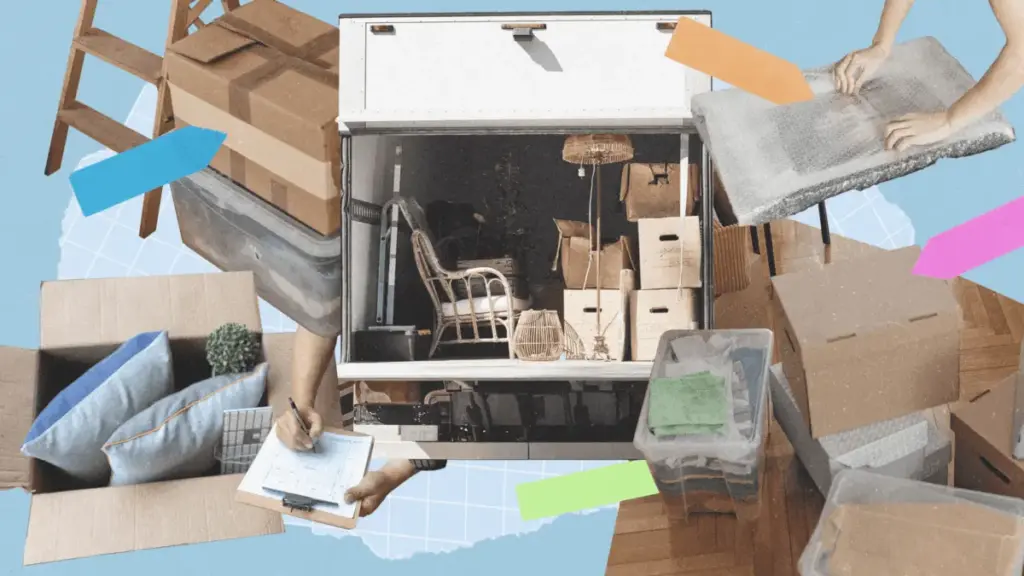
Moving ranks high on the list of life’s most universally dreaded activities. While the feeling of ultimate settlement in a new residence brings a deep sense of relief, the physical act of gathering belongings—sorting, discarding, and boxing items up only to reverse the process at the destination—frequently earns comparisons to unpleasant medical procedures or bureaucratic hurdles. Industry professionals note that approaching a relocation with strategy and foresight can alleviate much of this friction, saving both physical strain and financial resources.
Industry insiders note that moving represents much more than a mere change of address; it constitutes a major life transition that sets the tone for a new chapter. Approaching the process efficiently and in an organized manner means less stress, a more seamless move, and a more enjoyable start to a new living situation. When details are properly managed, the entire experience becomes significantly more manageable, allowing individuals to focus on the excitement of what lies ahead rather than feeling overwhelmed by packing materials and logistics.
Achieving this level of operational efficiency requires deliberate planning and extra legwork before the moving truck ever arrives. Experts emphasize that everyday movers often possess the capacity for a successful relocation if they adopt structured strategies, particularly when handling their own packing. An efficient approach ultimately saves time, money, and headaches, making the upfront effort well worth the investment.
Toss, Toss, Toss
One of the foundational recommendations from moving experts centers on ruthless decluttering before moving day arrives. If an item will not have a functional role or a designated place in the new residence, professionals advise getting rid of it beforehand. This practice ensures there is less physical volume to transport, which directly reduces time and financial costs while making the eventual unpacking process considerably smoother and more pleasant.
Relocation offers an ideal window to sort through belongings and donate, sell, or recycle items that are no longer needed or used, including kitchen gadgets, redundant appliances, and clothing that has sat untouched for seasons. Reducing the total inventory translates directly to fewer moving boxes, less manual labor during both packing and unpacking phases, and a more spacious home environment to enjoy immediately upon arrival.
Get the Necessary Moving Insurance and Paperwork ASAP
Administrative hurdles can quickly derail a moving day if they are left unaddressed. Apartment buildings frequently require a certificate of insurance (COI) prior to allowing any moving activity on the premises. Furthermore, renters who utilize reusable plastic moving bins supplied by specialized companies must often secure an additional COI to cover the vendor’s representatives when they return to retrieve the empty containers.
Building management policies and restrictions require early inquiry, as many properties enforce strict elevator reservation schedules and specific insurance mandates. Discovering these rules early prevents frantic last-minute scrambles. The same principle applies when hiring third-party service providers around the time of the move, such as television mounting technicians or specialized cleaners. Securing documentation for every visit in advance ensures that follow-up appointments, which are frequently necessary for adjustments or corrections, do not run afoul of building regulations.
Choosing the Right Vehicle and Loading Strategically
For those executing a self-managed move, selecting a vehicle of the appropriate size is critical to operational success. Equipment and space constraints can easily make or break moving day. Visualizing how items stack and pack helps determine the exact dimensions required for a truck or van.
When the time arrives to load the vehicle, starting with the largest items establishes a stable foundation. Because imagining every single belonging fitting neatly into a confined space can prove challenging in advance, loading from largest to smallest ensures the entire process runs with greater predictability and fewer structural shifts during transit.
Avoiding Procrastination on Packing
Statistics from the moving industry indicate that an individual packing a standard two-bedroom apartment independently will require an average of two weeks to complete the task. Experts advise overestimating the time needed for preparation and adhering firmly to an early start. Establishing a clear schedule that outlines which rooms require attention prior to moving day helps distribute the workload evenly.
Professionals suggest beginning with items and furniture that fall outside daily routines, transforming a potentially chaotic last-minute rush into a manageable project. The primary exception to this early-packing rule involves essential utility items. Cleaning supplies, basic tools, and immediate maintenance gear should be packed last and placed in a location that remains easily accessible at both the departure and arrival points.
Reevaluating Cardboard and Embracing Reusable Bins
A growing emphasis on sustainability in the moving industry has prompted many professionals to advocate for reusable plastic moving bins over traditional cardboard boxes. Cardboard options vary significantly in structural integrity, require manual assembly with packing tape, and ultimately create substantial waste that demands recycling or disposal.
Reusable bins, by contrast, offer rigid protection, eliminate the need for assembly or breakdown, and are typically collected by the rental provider shortly after the move concludes. Many rental services supply specialized labels or markers to track contents, while others offer wardrobe bins that allow clothing to transfer directly from closets on their existing hangers. For those wishing to invest in personal storage solutions, heavy-duty plastic bags with reinforced zippers and carrying handles provide efficient space compression for linens and bedding, and they can be easily repurposed for seasonal storage later.
For individuals who still opt for cardboard due to flexible unpacking timelines, selecting quality materials remains paramount. Industry leaders recommend sturdy corrugated options featuring double-wall construction. Uniform box sizing creates stable, interlocking stacks that resist shifting or collapsing under weight. Checking the Box Maker’s Certificate printed on the bottom of a container provides verified specifications regarding strength and weight capacity, removing guesswork from the packing process.
Strategic Packing and Organization
Weight distribution within containers is frequently mishandled by individuals attempting to maximize every cubic inch of space. Overpacking large boxes with heavy items creates structural hazards and increases the risk of spilled contents during transit. Distributing weight evenly across multiple containers safeguards both the boxes and the handlers.
To maintain strict order during the unpacking phase, color-coding emerges as a highly effective operational strategy. Assigning a specific color to each room and labeling corresponding boxes with matching colored tape or prominent stickers allows both residents and professional movers to deposit items in their exact final locations upon arrival, drastically reducing the time spent searching for necessities.
Careful Consideration of Furniture Dimensions
Large furniture pieces require advance scrutiny regarding spatial constraints. Evaluating whether furniture entered the current home in one piece or was assembled on-site prevents severe logistical bottlenecks. Doorways, tight corridors, and corner stairwells should be measured ahead of time to confirm clearance.
When items exceed standard architectural clearances, timely disassembly is necessary. Utilizing proper equipment such as furniture dollies, heavy-duty straps, bungee cords, and quilted moving blankets protects both the furnishings and the structural walls of the properties involved. Furthermore, applying rigid foam or corrugated corner protectors to mirrors, framed artwork, and tabletops shields vulnerable edges from impact damage.
Proper Techniques for Packing Kitchenware
Fragile items demand methods that extend far beyond haphazard layers of crumpled newspaper. A common mistake involves stacking plates flat and parallel to the top and bottom of a box, a configuration that invites cracks and fractures even without rough handling.
Professionals recommend establishing a thick bed of cushioning material at the base of a container and positioning plates vertically, much like books on a shelf. Placing appropriate packing layers between individual dishes prevents direct surface contact. Layering different protective mediums—such as honeycomb paper for moderate cushioning and traditional bubble wrap for exceptionally delicate items with protruding features—ensures that contents remain immobile and secure within their containers.
Prioritizing First-Night Essentials
Even with meticulous labeling and efficient execution, unearthing critical personal items during the chaotic first hours in a new residence can prove frustrating. Professionals strongly advise assembling a dedicated essentials bag or suitcase containing medications, toiletries, a change of clothes, basic kitchen supplies, bedding, towels, and essential electronics. Transporting these personal items independently guarantees immediate access to daily necessities, allowing residents to settle into their new environment with comfort and peace of mind from the very first night.