When gardeners think about drought tolerance, the traditional mental image is almost always tied to prairie species equipped with massive, taproot systems plunging deep into the earth to mine sub-surface moisture. However, seasoned horticulturists working across the Midwest and Mid-Atlantic regions are discovering that deep roots are not the exclusive ticket to surviving prolonged dry spells. In fact, some of the most resilient, drought-defying landscape plants operate on surprisingly shallow root systems.
Drawing from decades of professional horticulture experience across diverse planting zones, experts are highlighting how certain perennials defy conventional expectations. While many drought-hardy plants demand baking sun and gravelly conditions, others prove that even challenging, moisture-deprived shade environments can support stunning, resilient flora. A closer look at three specific perennial varieties reveals how shallow-rooted plants manage to thrive when water becomes scarce, offering home gardeners practical alternatives for water-wise landscaping.
1. Butterfly Weed (Asclepias tuberosa)
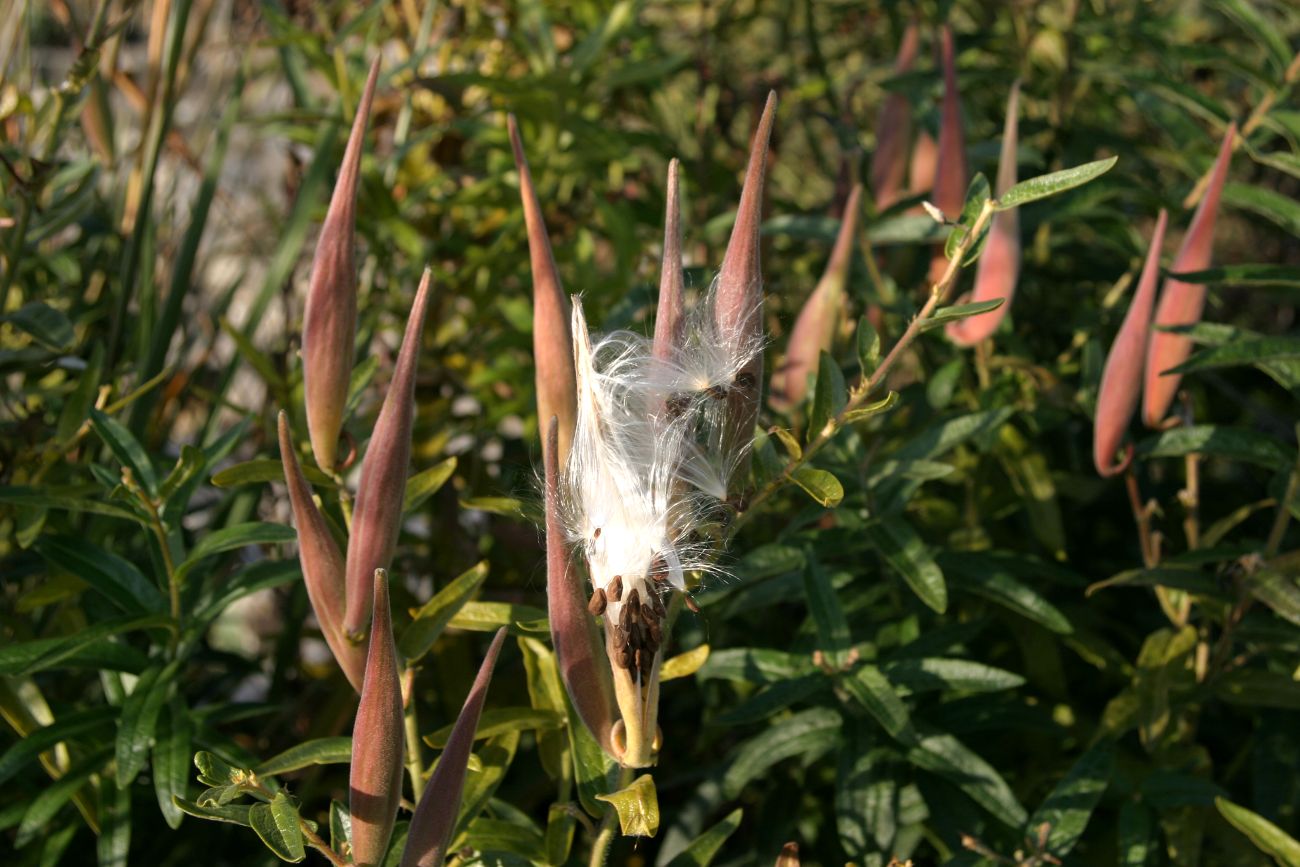
At the forefront of resilient, sun-loving perennials is the vibrant butterfly weed (Asclepias tuberosa). While conservation efforts rightly encourage the cultivation of milkweeds to support monarch butterflies, gardeners often gravitate automatically toward common milkweed. Yet, common milkweed possesses a vigorous growth habit, spreading aggressively via underground rhizomes and seeds that can quickly crowd out neighboring plants in a cultivated landscape.
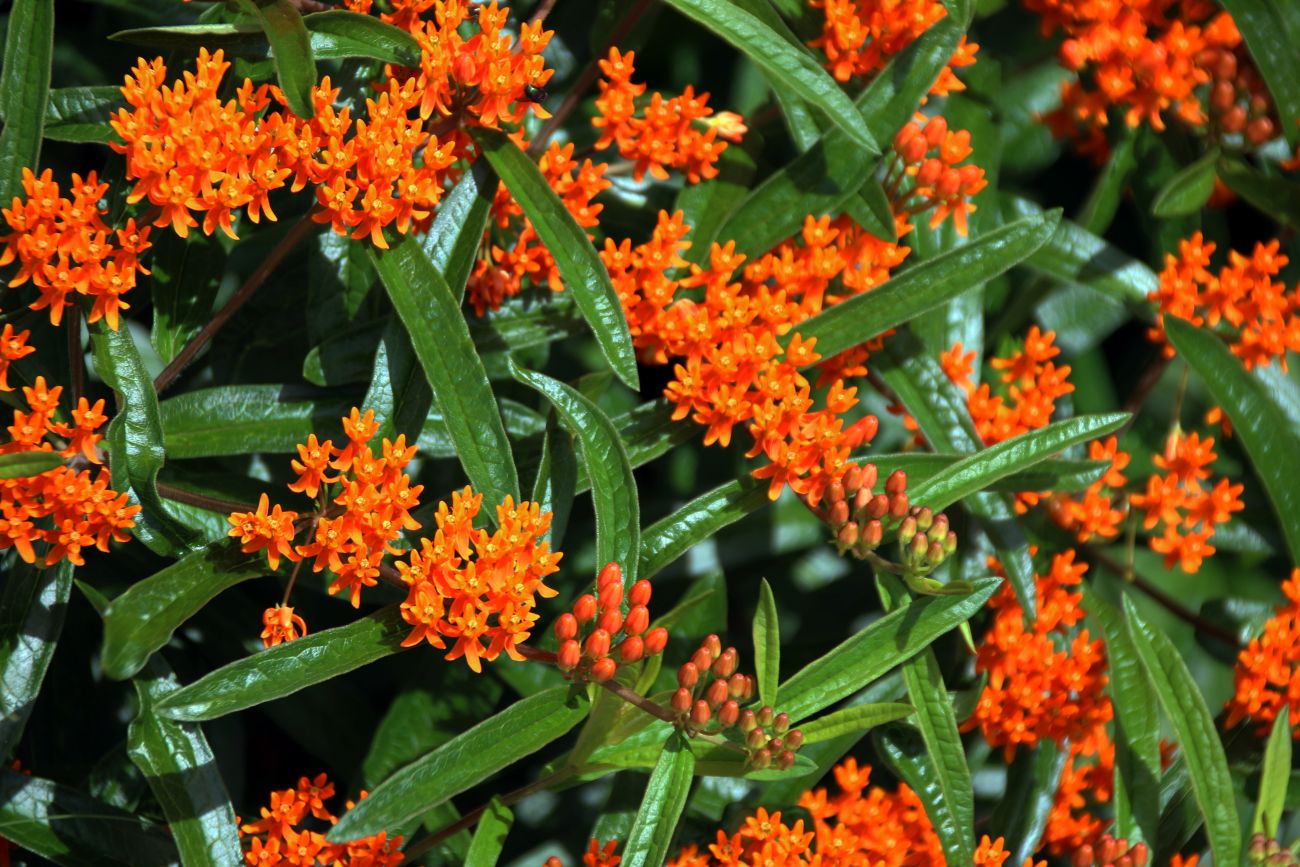
Butterfly weed presents a much more manageable, compact alternative, featuring a tidy mounding habit and brilliant clusters of fiery orange flowers. For designers who favor warm tones, the intense orange shades pair exceptionally well with stark white blossoms in a mixed border. For landscapes where orange proves too dominant, yellow-flowered selections offer a softer visual impact. Recent plantings in gravel gardens demonstrate how mixed orange and yellow variations can naturally co-exist, occasionally producing fascinating seedlings with multi-toned flower variations.
Originating from prairie ecosystems, butterfly weed demands exceptionally well-draining soil to thrive. While its long, tuberous roots assist in weathering dry conditions once the plant is firmly established, those exact root structures mean it prefers a permanent home rather than being relocated around the garden. Gardeners must exercise patience during the initial establishment phase, as the plant can take time to gain momentum. Once settled, however, it provides years of reliable performance while serving as a powerful magnet for local pollinators, proving just as ornamental as traditional garden staples.
2. Calamint (Calamintha nepeta)
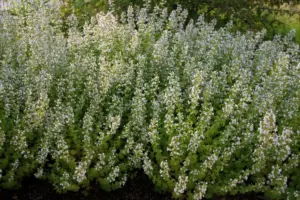
Another powerhouse for sun-drenched, dry locations is lesser calamint (Calamintha nepeta), a plant heralded by veteran horticulturists who spent decades studying perennial performance in the upper Midwest. Introduced widely through regional perennial farms and public garden displays, calamint has earned a reputation as one of the toughest, most dependable components in contemporary landscape design.
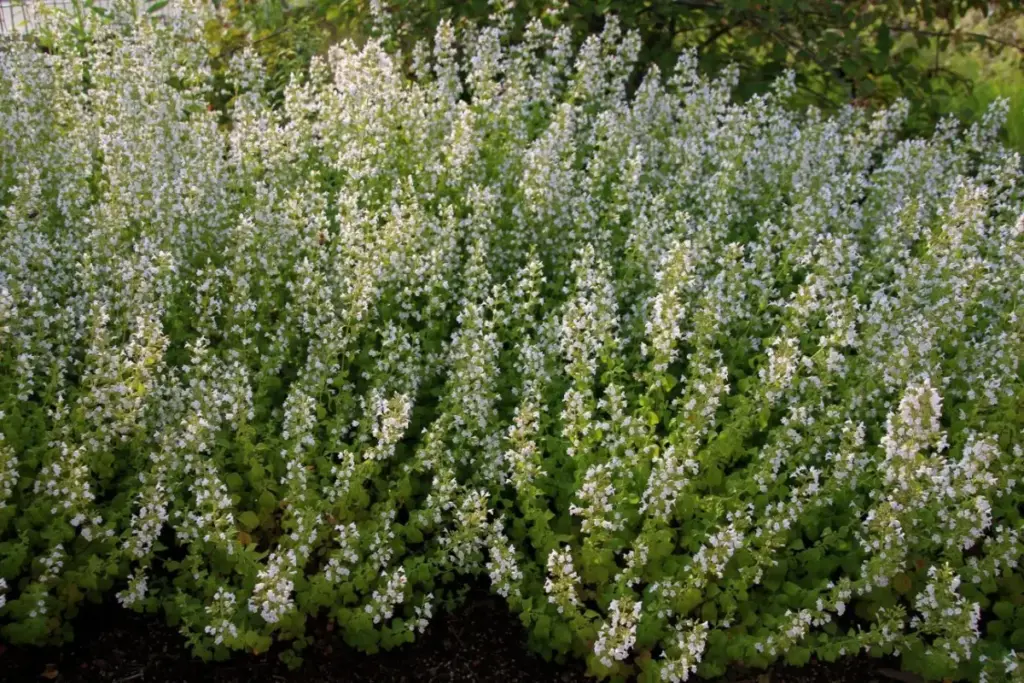
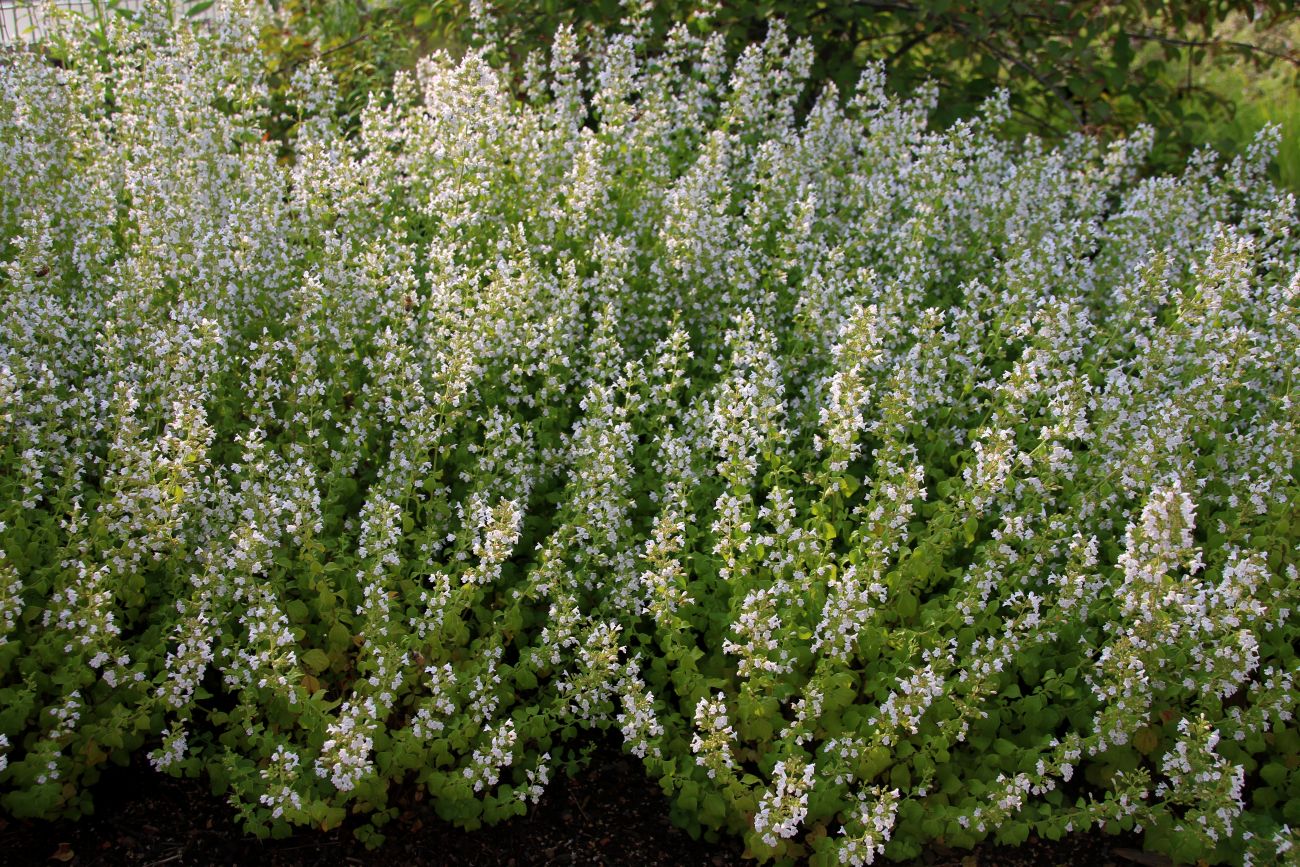
Lesser calamint produces an abundance of tiny, delicate white flowers reminiscent of baby’s breath. Its soft, rounded form and fine texture create an ideal textural contrast when planted alongside broad-leaved or coarser companion plants. While pale blue and lavender selections exist, the classic white-flowering varieties illuminate a garden bed while drawing clouds of beneficial insects during peak bloom.
The species has proven its mettle not only in residential settings but also in brutal municipal roadside plantings where supplemental water is entirely absent. The primary key to its success is preventing excess moisture from stagnating around its root zone. When provided with ample sunlight and sharp drainage, calamint handles severe dry conditions with remarkable ease. While some gardeners express concern over self-seeding perennials, calamint generally behaves respectfully in the landscape, producing occasional seedlings that are easily identified and managed.
3. Barrenwort (Epimedium grandiflorum)
Challenging dry shade is notoriously difficult to plant, leading many to believe that resilient shade plants must possess deep, aggressive root systems. Barrenwort (Epimedium grandiflorum) shatters this assumption entirely. Its root system is characteristically shallow and fibrous, forming a relatively flat mat that can be easily lifted when the time comes to divide mature clumps. At a glance, such a delicate root architecture might suggest vulnerability to drought stress, but practical experience demonstrates the exact opposite.
Observations during severe regional droughts—such as extended dry spells impacting public garden conferences in major urban centers—have revealed that while traditional woodland borders wilt under moisture stress, epimedium foliage often remains remarkably fresh and turgid without supplemental irrigation. Although tolerance levels vary among specific cultivars, numerous selections perform exceptionally well as reliable ground covers beneath mature tree canopies and within shaded woodland settings.
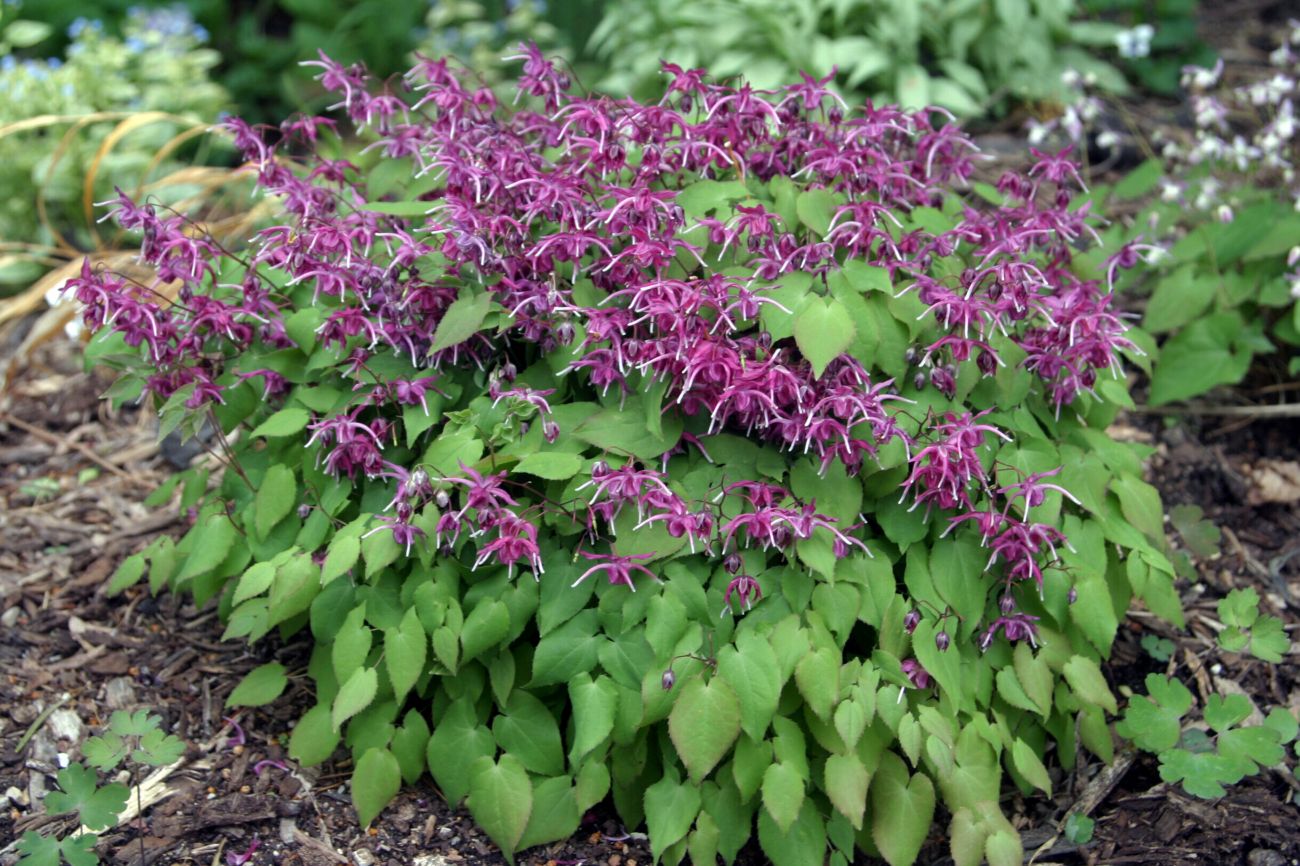
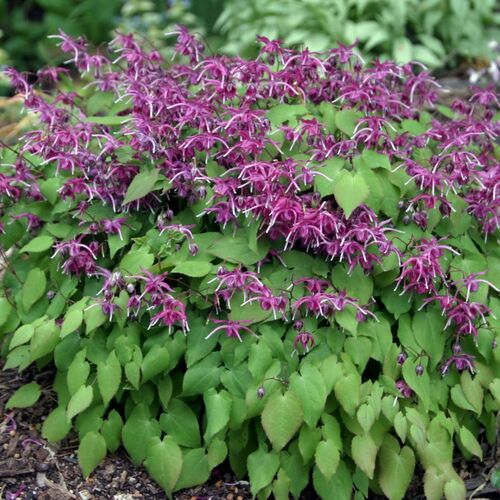
Among the standout selections is ‘Lilafee’ (Epimedium grandiflorum ‘Lilafee’), a vigorous cultivar producing charming purple flowers in spring. The blooms hover above the foliage like tiny, intricate fairies, inviting close inspection from visitors who pause to appreciate fine garden details. Because epimediums can represent a significant financial investment when purchasing large quantities for extensive shade coverage, horticulture professionals frequently advise acquiring specimens gradually over several seasons. Over time, these foundational plants expand into dense, cohesive ground covers that transform difficult, dry landscapes into flourishing garden retreats.