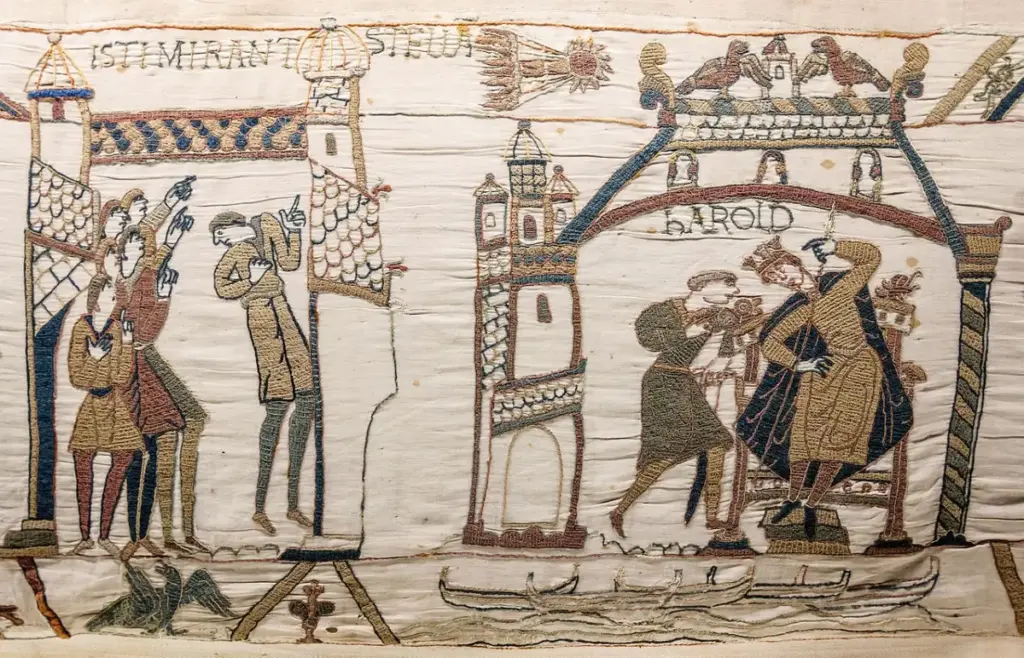
LONDON — The British Museum has announced a comprehensive series of changes to its visitor operations following a tumultuous opening few weeks for its blockbuster exhibition featuring the Bayeux Tapestry. Since the legendary 230-foot-long embroidered textile arrived in London from its permanent home in Normandy, France, earlier this autumn, it has drawn unprecedented crowds and generated fervent international interest. However, this massive influx of art enthusiasts has also exposed logistical hurdles, leading to visitor experience hiccups, public relations challenges, and even legal action.
In response to these issues—which have left some ticket holders unable to fully experience the 11th-century masterpiece or, in more severe cases, turned away entirely despite holding reservations for the sold-out exhibition—museum leadership has stepped in to overhaul the operational framework.
Nicholas Cullinan, the director of the British Museum, addressed the situation candidly in statements to the press, emphasizing the institution’s commitment to resolving the early shortcomings. “You don’t want anyone that comes to see the Bayeux Tapestry to have a bad experience, so our focus is very much on getting it right and learning lessons,” Cullinan told the BBC. He noted that despite the operational hurdles, the museum has achieved a major milestone, welcoming nearly 100,000 visitors in the mere three weeks since the exhibition officially opened its doors to the public.
The historic loan of the Bayeux Tapestry has long been anticipated as a watershed cultural exchange between the United Kingdom and France, but the sheer gravity of its arrival brought immediate pressure on the host institution. Among the early visitor experience snafus that disrupted public goodwill were unexpected closures. On at least one notable occasion, the exhibition had to close early to accommodate an unrelated gala dinner held at the museum, frustrating patrons who had planned their schedules around viewing the textile. Furthermore, the museum faced a lawsuit filed by a blind visitor who claimed that the lack of accessible audio tours violated disability rights standards.
Compounding these complaints were the realities of managing a massive, highly sought-after cultural artifact under stringent environmental controls. Visitors have frequently encountered long queues, with some waiting up to two hours just to enter the gallery space. The combination of sold-out time slots, tight security, and high demand created bottlenecks that tested the patience of both tourists and local art lovers.
To alleviate these pressures, the British Museum is implementing several immediate operational adjustments. Among the most significant changes is an extension of the museum’s operating hours. While the institution has not yet specified the exact details of how much earlier or later it might remain open for tapestry enthusiasts, the adjustment aims to distribute the dense crowds more evenly across the day. Currently, the museum maintains standard operating hours from 10:00 AM to 6:00 PM Sunday through Wednesday, and stays open until 9:00 PM from Thursday through Saturday.
Extending these hours is a delicate logistical task. According to the New York Times, the British Museum must navigate a careful plan for light hour allocations in order to strictly comply with the conservation guidelines mandated by the French government. Because the Bayeux Tapestry is nearly a millennium old and exceptionally sensitive to light exposure, exposure limits are non-negotiable, requiring the museum to balance extended public access with rigorous preservation protocols.
In addition to adjusting hours, the museum is addressing accessibility and crowd flow by introducing an audio guide integrated directly into the exhibition’s official app. Initially, the institution had opted for self-guided tours to encourage a more personal and uninterrupted viewing experience. However, the absence of audio description tools drew severe criticism, culminating in the aforementioned lawsuit from a blind visitor. The newly developed audio guides will not only provide vital accessibility for blind and low-vision visitors by describing the intricate embroidery and historical narratives of the 11th-century work, but they are also expected to help all visitors move through the exhibition space more efficiently by providing structured pacing.
For those enduring the inevitable queues outside the gallery, the museum is introducing practical comfort measures, including additional seating areas and clearer signage to streamline the entry process and manage visitor expectations.
These sweeping adjustments are being rolled out just as the institution prepares for its next major administrative milestone. The next member ticket booking window is scheduled to open on October 6. Starting on that date, tickets will become available to the public for a crucial three-month block covering January 1 through March 31, 2027. Museum officials hope that the combination of refined crowd management, extended hours, new accessibility tools, and updated logistical planning will ensure a smoother, more enriching experience for the hundreds of thousands of visitors expected to stream through the galleries in the coming months.