The decision to paint over wallpaper is primarily driven by efficiency. Stripping old paper, preparing the raw plaster underneath, and addressing underlying wall damage can take days of strenuous labor. In contrast, applying paint over an established wall covering can reduce project timelines substantially. However, home improvement authorities caution that this shortcut is not universally applicable and depends heavily on the current condition and composition of the walls in question.
Before committing to a paint-over strategy, property owners must thoroughly inspect the room’s surfaces. The fundamental rule of thumb is that the existing wallpaper must be in sound condition, entirely free from major rips, tears, or structural degradation. If the paper is severely compromised, attempting to paint over it will usually result in an uneven, unsightly surface, making it far more prudent to strip the material and paint the bare walls directly.
Furthermore, applying fresh coats of paint over wallpaper that is already peeling in multiple locations is strongly discouraged. Widespread peeling indicates that the adhesive paste behind the paper is failing. This failure can stem from a variety of factors, including the use of low-quality adhesive during the original installation or, more concerningly, persistent dampness and moisture issues within the room. Painting over compromised adhesive will only accelerate the detachment process, causing the newly painted paper to buckle and bubble away from the wall.
For minor issues, such as localized peeling confined to a single corner or seam, remedial action is sometimes possible. Homeowners can attempt to carefully re-secure the loose section using dedicated wallpaper paste, smoothing out any trapped air bubbles in the process. It is vital that these repaired areas are allowed to dry completely before any subsequent priming or painting begins.
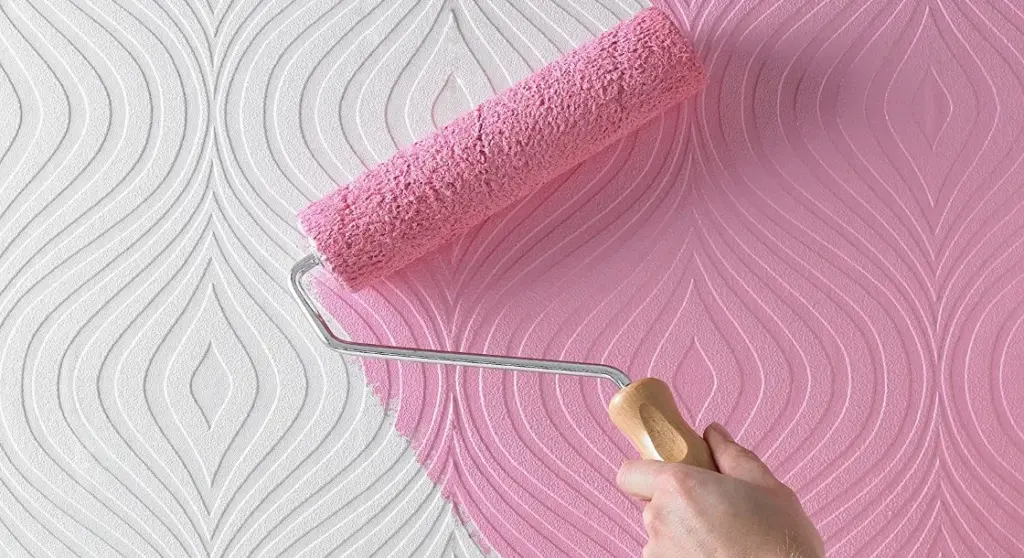
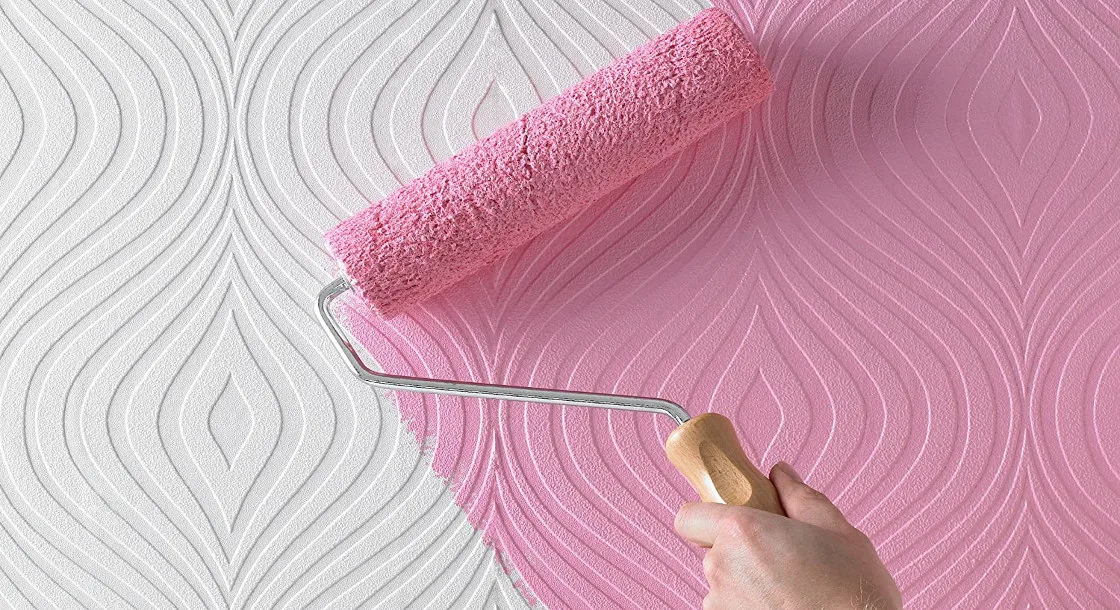
When evaluating the type of wallpaper, flat and plain varieties are generally considered the most suitable candidates for painting. Nevertheless, textured and patterned paper can also be painted over, provided the property owner is comfortable with the underlying texture remaining visible beneath the new color. The final aesthetic relies heavily on personal preference regarding texture versus a completely smooth finish.
Once the wallpaper has been inspected and deemed appropriate for painting, preparation is relatively straightforward, provided the environment is properly protected. Securing the perimeter with decorator’s masking tape and shielding surrounding surfaces ensures a clean transition between walls, ceilings, and woodwork.
A critical phase in this process involves proper priming. Even when dealing with light-colored or unpatterned wallpaper, applying at least one coat of primer is strongly recommended. Priming creates a uniform base that ensures a clean, professional finish for the topcoat and significantly improves the coverage of the paper.

However, the choice of primer is of paramount importance. Experts advise against using water-based primers, as excessive moisture can soak too deeply into the wallpaper and reactivate or compromise the underlying paste. Instead, professionals recommend oil-based primers or specialized formulations designed to seal wallpaper effectively, such as all-in-one primer and sealer products that prepare the surface without destabilizing the adhesive beneath. Applying one to two coats and allowing adequate drying time establishes a stable foundation for the final color selection.
Despite careful planning and execution, painters may occasionally encounter specific challenges unique to painting over wallpaper. One of the most common issues arises from natural changes in the wallpaper as it ages or dries. If wallpaper strips were not applied with tight abutting seams, or if the paper shrank slightly as the original paste dried, thin gaps can occasionally appear between the sheets.
While a minor gap is not an insurmountable obstacle, it must be addressed before the room is completed. Assuming the surrounding wallpaper remains firmly adhered to the wall, a standard wall filler can be utilized to bridge the gap between sheets. Industry best practices recommend performing this remedial work after the primer has been applied and allowed to set.
Once the filler has cured, it must be meticulously sanded back until it is perfectly flush with the level of the surrounding paper. Because any raised filler will stand out prominently once the topcoat is applied, taking the necessary time to sand the area smooth is essential for achieving a polished final result. With proper preparation, careful priming, and attention to detail, painting over wallpaper can serve as a viable and efficient method for modernizing a home interior without the disruption of a full strip-down.