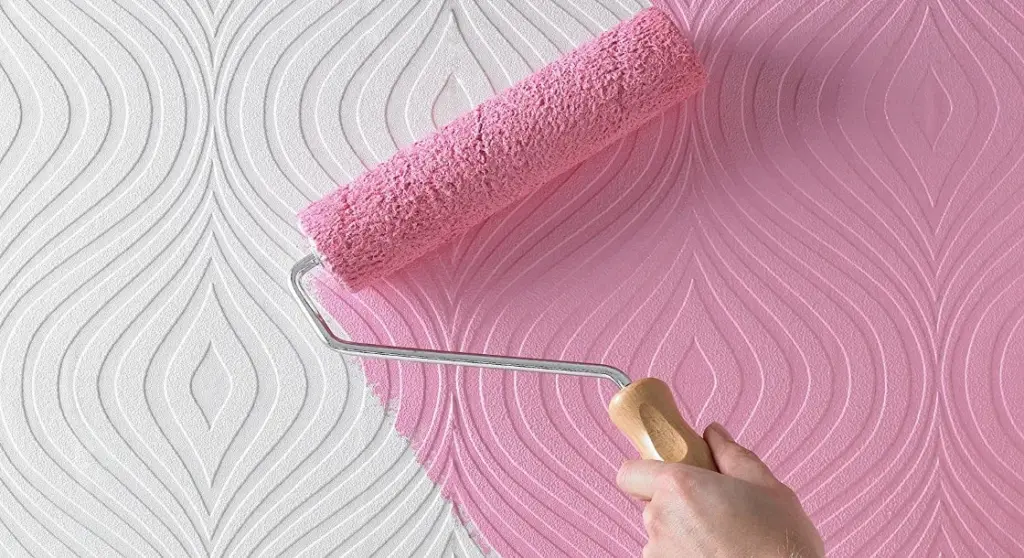
The decision to pick up a roller instead of a stripping knife ultimately depends heavily on the current condition of the walls. Before committing to a paint-over approach, interior specialists advise conducting a thorough inspection of the wallpaper’s structural integrity. The paper must be in good condition, completely free from any rips, tears, or significant surface damage. If the existing wallpaper is severely compromised, attempting to paint over it is generally counterproductive, and stripping the material down to the bare wall remains the recommended course of action.
Furthermore, painting over wallpaper that exhibits widespread peeling is strongly discouraged, even if the paper itself is not physically torn. When wallpaper begins to lift in multiple places, it usually indicates that the underlying adhesive paste is failing. This failure can stem from a variety of factors, including the use of low-quality paste during the original installation or the presence of hidden dampness within the room, which will inevitably cause problems for any new layers applied on top.
However, if peeling is isolated to a single, minor area, decorators may be able to salvage the situation by carefully re-securing the loose section with fresh wallpaper paste before proceeding with any painting. When undertaking this minor repair, meticulous care must be taken to smooth out the paper and prevent trapped air bubbles, and the patched area must be allowed to dry completely before any further work begins.
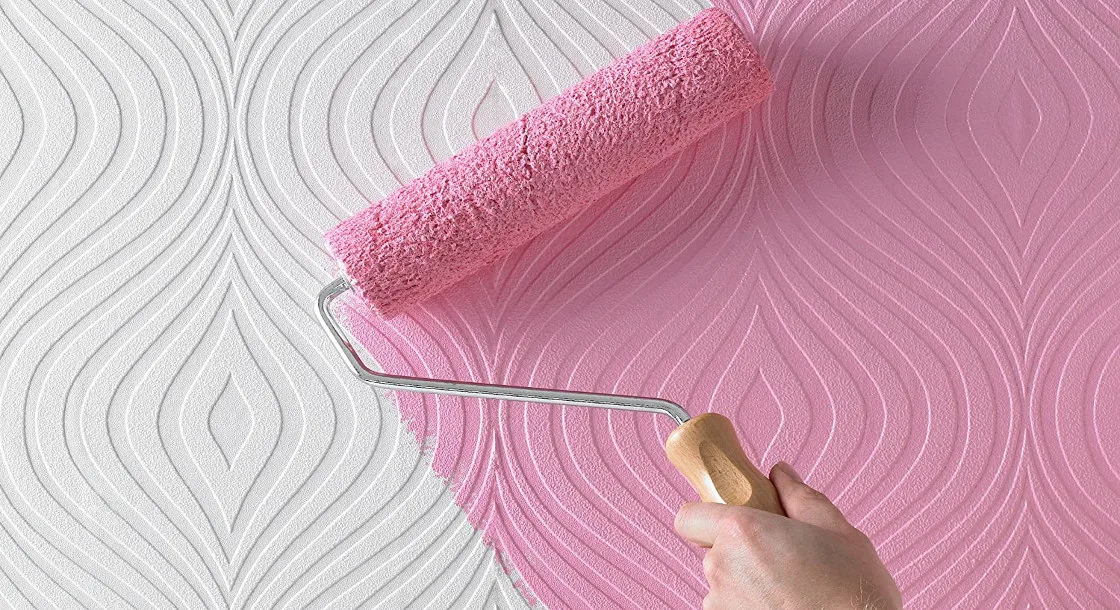
In terms of aesthetics and material compatibility, plain, flat wallpaper serves as the most suitable canvas for a fresh coat of paint. While it is entirely possible to paint over textured or patterned varieties, homeowners must be prepared for the underlying texture to remain distinctly visible through the new paint, altering the final look of the room.
Assuming the wallpaper passes initial inspections and remains firmly affixed to the walls, the required preparation phase is relatively straightforward compared to a full stripping job. With the surrounding room properly cleared and protected, attention can turn toward the critical step of priming the surface.
Even when dealing with light-coloured or unpatterned wallpaper, applying at least one coat of primer is heavily recommended by painting professionals. A proper primer layer creates a uniform foundation, ensuring a clean and even finish once the topcoat is applied while making the underlying pattern much easier to conceal.
A vital technical consideration during this phase involves the choice of primer. Water-based primers can sometimes penetrate too deeply into the wallpaper, reactivating the old adhesive and undermining the bond between the paper and the wall. To avoid this risk, experts recommend opting for an oil-based primer, or a specialized all-in-one primer and sealer designed specifically to stabilize difficult surfaces. Applying one or two thorough coats of primer, followed by adequate drying time, sets the stage for the final transformation.

Once the primer has cured completely, homeowners can select their preferred topcoat paint and begin the process of refreshing the walls. Despite careful planning and preparation, however, certain complications can occasionally arise when painting over wallpaper, though most can be successfully resolved with minor remedial work.
One common issue involves the appearance of gaps between individual strips of wallpaper. While correctly installed paper should fit tightly, the drying process that occurs after wallpaper is initially hung can sometimes cause the material to shrink slightly, leaving thin vertical seams. While not an immediate disaster for a painting project, these gaps must be addressed to achieve a polished appearance.
Assuming the wallpaper is otherwise sound and securely attached, decorators can utilize standard wall filler to bridge the gaps between sheets. Industry best practices suggest performing this filling operation only after the primer has been applied and allowed to set. Once the filler is dry, it must be carefully sanded back until it is perfectly flush with the surrounding papered surface. Because any raised areas of filler will stand out prominently beneath a fresh coat of paint, taking the necessary time to sand the repairs down smoothly is essential for a professional result.