The primary art market in 2026 continues to navigate a complex landscape defined by macroeconomic headwinds, ranging from cautious consumer spending to the evolving dynamics of wealth transfer. Yet, amid these broader financial shifts, the entry-level and mid-tier sectors of the art market have proven remarkably resilient. This structural stability was on full display during the 2026 edition of the Affordable Art Fair Melbourne, where on-the-ground survey insights revealed a vibrant atmosphere marked by high visitor turnout, strong gallery sales, and a renewed sense of collector confidence.
Rather than reflecting the hesitation often seen in the secondary market, the fair floor in Melbourne generated a consistent, sustained transaction velocity across an impressively diverse demographic. From emerging collectors just beginning their journey to seasoned veterans of the auction circuit, the appetite for accessible, original works was palpable. The 2026 edition underscored a clear trend: buyers are currently prioritizing emotional resonance, tactile materiality, and, crucially, the opportunity for direct engagement with contemporary creators. This fair has solidified its status as a vital engine for primary market placement within the Asia-Pacific region, proving that when art is made accessible and transparent, capital remains active and eager.
Diverse Demographics and Broad Market Appeal
The diversity of the crowd at this year’s Melbourne event was perhaps its most striking feature. Dealers noted that the buying public was not limited to any single age group or economic background. Instead, the fair attracted a wide spectrum of enthusiasts, with collectors ranging from as young as 12 to as old as 82. This multigenerational engagement suggests that the barrier to entry for contemporary art is lowering, fostered by the fair’s welcoming environment and the variety of works on offer.
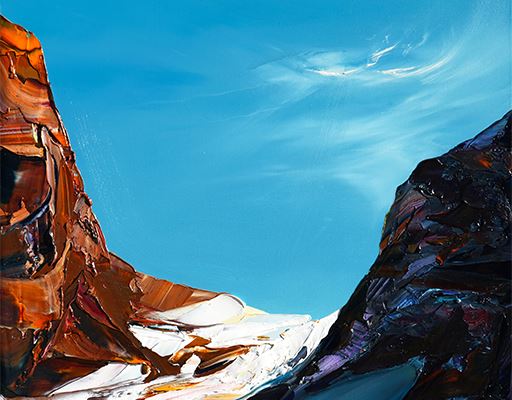
At the booth managed by the Velvet Room Gallery, this trend was clearly observable. The gallery’s presentation, anchored by artist and spokesperson Bridie O’Brien, was a testament to the power of accessible, high-quality contemporary work. O’Brien’s abstract realism landscapes sat alongside the minimalist compositions of Scott Thomlinson and the distinct, finger-painted iconic figures of Pav Spencer. The booth maintained a relentless transaction momentum throughout the duration of the fair.
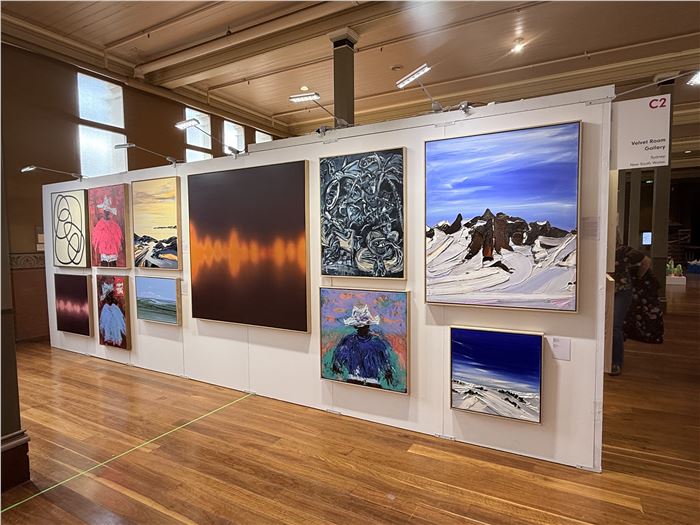
The success of the Velvet Room Gallery was multifaceted. O’Brien alone placed 21 original works, while Spencer saw 11 pieces find new homes. Thomlinson, meanwhile, leveraged the high level of viewer interest to secure multiple commission requests, a strong indicator of long-term engagement beyond the immediate point of sale. The booth’s success was not just in volume but in price, with three major sales hitting the AUD$7,000 mark (approximately USD$5,040). Furthermore, the gallery enjoyed a consistent flow of transactions within the AUD$1,000 to AUD$6,000 range (approximately USD$720 to USD$4,320). O’Brien’s resonance with the Melbourne audience was so profound that she was subsequently selected as the campaign artist for the upcoming November edition of the Affordable Art Fair in Sydney.
Regional Perspectives and Collaborative Success
The fair also served as a stage for organizations looking to broaden the reach of regional artistic practices. The Victoria-based Melbourne Society of Women Painters & Sculptors (MSWPS) marked their inaugural participation at the Melbourne fair with a highly curated survey of regional female talent. Represented by Denise Keele-bedford, the collective featured a diverse range of works, including oil paintings by Janine Good and marble sculptures by Keele-bedford herself.
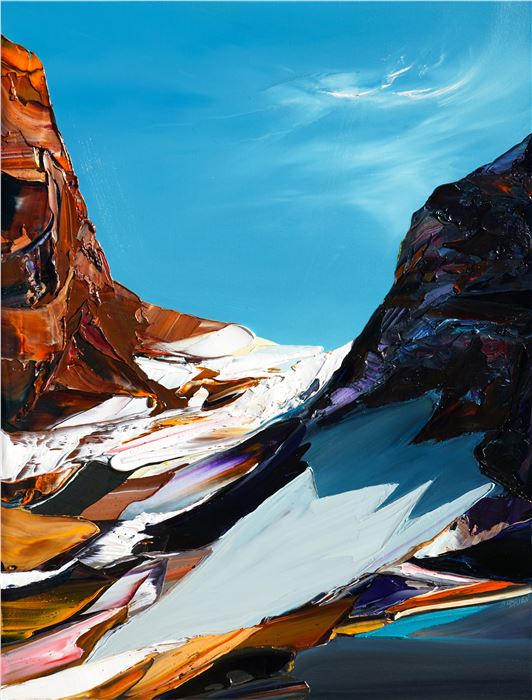
The MSWPS booth proved to be a major success, recording 35 total artwork placements over the course of the four-day event. Among the artists highlighted was Steffie Wallace, who celebrated her 80th birthday on-site at the fair—a poignant moment that underscored the connection between the artists and the public. The early and sustained buyer activity at the MSWPS booth highlighted the importance of curated, thematic presentations in driving sales, particularly when those presentations showcase the depth of local artistic history and contemporary practice.
Further emphasizing the strong energy of the 2026 edition, artist Lara Scolari, who exhibited under the banner of "Australian Soul," described the event as the strongest Affordable Art Fair held in Australia to date. According to Scolari, the fair was defined by an "exceptional energy" and a genuine buzz that remained consistent from the first day to the last. She observed that fairgoers were particularly interested in the narratives behind the art, with visitors—ranging from professional interior designers to first-time buyers—spending significant time in conversation with the artists.
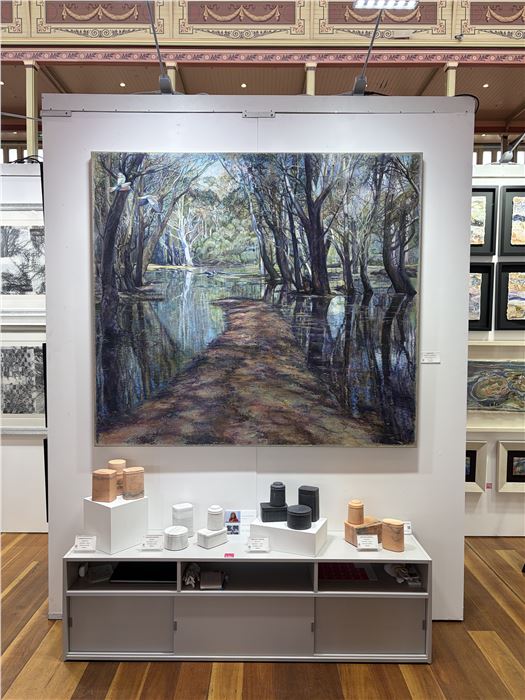
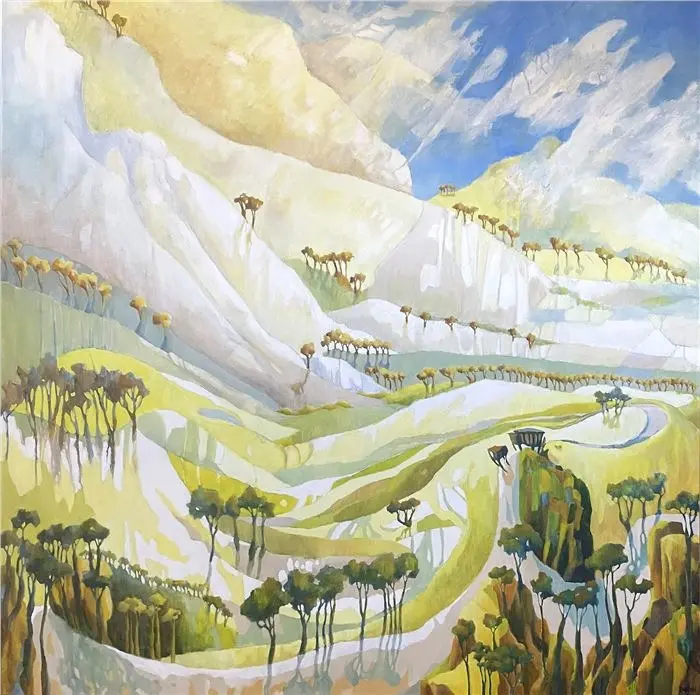
Scolari’s presentation featured Kakapo Dreaming, a large-scale, green-hued mixed-media abstract that was acquired by a local Melbourne couple for AUD$6,950 (approximately USD$5,000). The fair also served as the launchpad for her LINDEN Colour Wave Collection, a series of 12 intimate mixed-media works on 640gsm Italian paper. By offering her signature translucent layering at a more accessible price point, Scolari saw sales ranging from AUD$100 (USD$72) up to the higher end of the spectrum, reinforcing her belief that price accessibility is a primary driver of market growth. For Scolari, the collaborative and welcoming atmosphere of the fair was the catalyst that gave collectors the necessary confidence to commit to their purchases.
Strategic Pricing and the Future of the Primary Market
A successful commercial strategy at the fair often involved a "two-tiered" pricing approach, which effectively balanced the needs of different collector segments. Gallery 11:11, directed by Melony Kara Smirniotis, provided a masterclass in this methodology. By positioning high-value "hero" pieces—such as Kristine Ballard’s oil on canvas Where Dreams Dare to Roam and Smirniotis’s own mixed-media work Water, Willow, Light—alongside a collection of smaller, entry-level works priced under AUD$300 (approximately USD$216), the gallery was able to capture a wide array of interests.
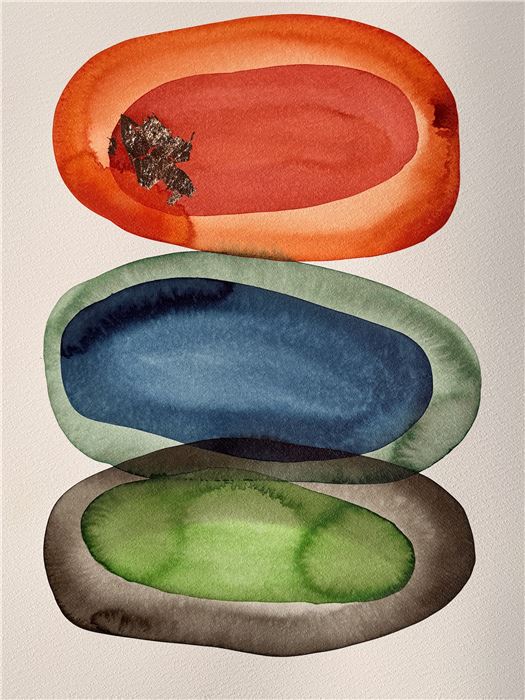
For Gallery 11:11, the ability to meet the artists in person acted as the most potent sales tool. The engagement allowed collectors to bridge the gap between initial attraction and final purchase, resulting in strong sales across the spectrum. The gallery saw patrons acquire both the small-scale miniature works and the major canvases, with the latter group typically falling into the AUD$5,000 to AUD$6,000 range (USD$3,600 to USD$4,320).
The collective testimony from the 2026 Affordable Art Fair Melbourne provides a clear snapshot of a primary art market that is not only surviving but thriving through adaptability. While the broader secondary market may be undergoing a global recalibration, the mid-market continues to capture active capital by prioritizing transparency, accessibility, and the human element of the art-buying experience. By facilitating direct connections between artists and collectors and maintaining a diverse range of price points, the fair has proven that there is a deep, untapped appetite for original art when the barrier to entry is lowered. As the market moves forward, the success of this Melbourne edition serves as a compelling model for how art fairs can sustain momentum and foster a new generation of collectors, ensuring the continued vitality of the primary art sector.