Homeowners and interior decorators frequently look for shortcuts when renovating living spaces, and choosing to paint directly over existing wallpaper is often considered a much quicker alternative to the labor-intensive process of stripping old paper, preparing bare walls, and applying a fresh finish. While this method can save considerable time and effort, industry professionals emphasize that it requires careful evaluation of the existing surface. There are several critical factors to consider before picking up a roller, along with multiple potential pitfalls that must be carefully managed to avoid ruining a room’s aesthetic.
Before making the decision to paint over wallpaper, property owners must thoroughly inspect the condition of the wall coverings. The primary requirement is that the paper must be in sound condition, entirely free from major rips, tears, or structural damage. If the wallpaper is compromised, worn, or severely damaged, attempting to paint over it is rarely successful. In such cases, experts strongly advise stripping the material completely and painting the bare plaster underneath to ensure a durable and professional finish.
Another major red flag is widespread peeling. Painting over wallpaper that is lifting off the wall in multiple areas is never recommended, even if the paper itself is not torn. When wallpaper peels in various spots, it generally indicates that the adhesive paste is failing. This failure can stem from using low-quality paste during the initial installation or from underlying dampness and moisture issues within the room. While localized peeling in a single, isolated spot can sometimes be repaired by carefully re-sticking the edge with fresh paste—provided the user takes care to smooth out air bubbles and allows it to dry completely before proceeding—widespread detachment means the entire wall covering must be removed.
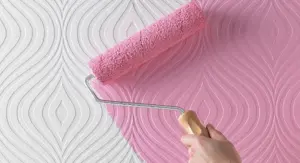
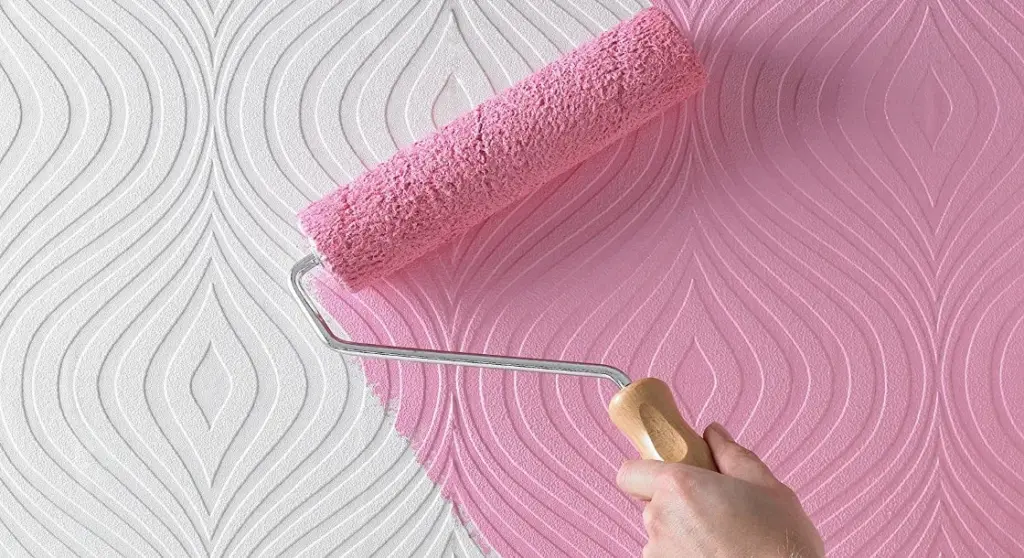
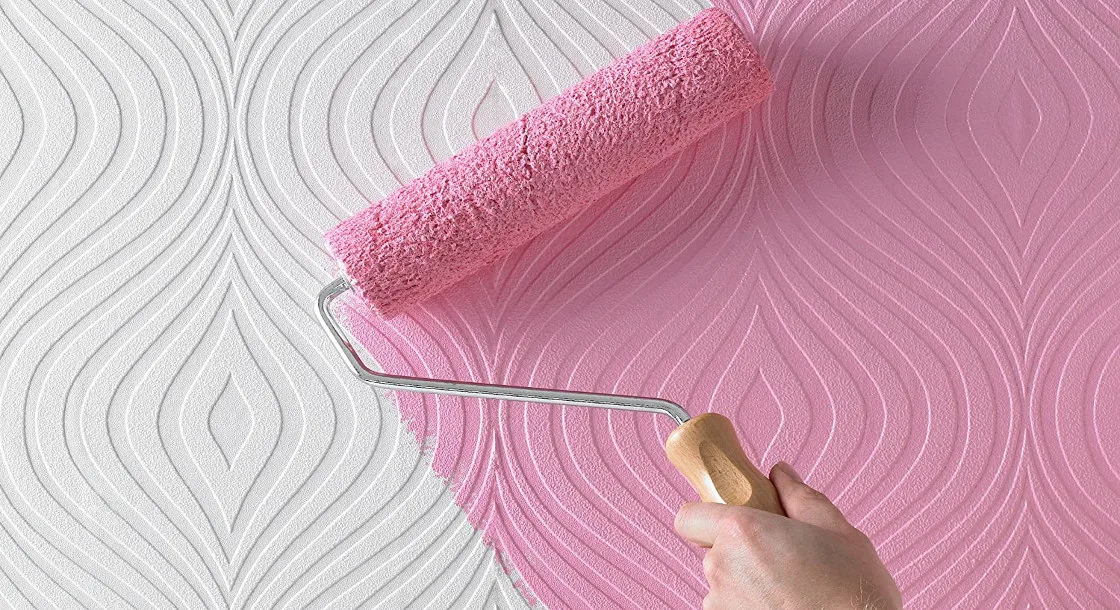
Regarding texture, plain and flat wallpapers are traditionally the most suitable candidates for painting. However, it is entirely possible to paint over patterned and textured designs, provided the homeowner accepts that the underlying texture will remain visible beneath the new coats of paint.
Preparing Wallpaper for Painting
Assuming a thorough inspection reveals that the wallpaper is in good condition, firmly affixed, and structurally sound, the necessary preparation work before painting is surprisingly minimal compared to a full stripping job. The primary focus shifts toward ensuring the surface is clean, stable, and ready to bond with coating materials. Protecting surrounding trim, floors, and fixtures with high-quality masking tape is a standard prerequisite to guarantee clean lines and prevent accidental paint splatters. Once the room has been properly protected and prepped, the focus can transition directly to the priming phase.
Priming Wallpaper for Painting
Even when working with light-coloured or unpatterned wallpaper, applying at least one coat of a reliable primer is strongly recommended by painting professionals. A proper primer helps achieve a clean, uniform finish once the topcoat is applied and makes the underlying patterns much easier to mask and cover.
A critical technical detail during this stage involves the choice of primer. Water-based primers can easily soak too deeply into the wallpaper and reactivate or dissolve the old paste, ultimately compromising the adhesion of the wall covering. To prevent bubbling, warping, and peeling, professionals consistently recommend utilizing an oil-based primer whenever painting over wallpaper. Specialized formulations, such as all-in-one primer and sealer products designed for challenging surfaces, offer optimal preparation results. Applying at least one—and ideally two—thorough coats of primer, followed by adequate drying time, ensures a stable foundation for the final color.
How to Paint Over Wallpaper
With the preparation and priming stages successfully completed, decorators can select their preferred topcoat paint color and finish to begin transforming the space. Applying the topcoat requires the same careful technique as painting any standard wall, ensuring even coverage across the primed surface while maintaining a consistent wet edge to avoid roller marks or lap lines.

Problems With Painting on Top of Wallpaper
While careful planning and meticulous preparation generally make painting over wallpaper a straightforward and successful endeavor, certain complications can still arise. Fortunately, most of these issues can be successfully resolved or entirely avoided with a little extra attention to detail.
One common issue involves gaps developing between strips of wallpaper. If the wallpaper was installed correctly, gaps should not be a problem; however, as wallpaper dries out and ages after being pasted, it can occasionally shrink slightly, leaving thin seams or gaps between the sheets. While this is not an immediate disaster for a painting project, it must be addressed properly before the final aesthetic is ruined.
Assuming the rest of the wallpaper remains sound and firmly attached to the wall, standard wall filler can be used to camouflage the gaps between the sheets. Professionals advise performing this corrective step after the primer coats have been applied. Once the primer has completely set, the filled areas must be carefully sanded back so they sit completely flush with the level of the surrounding paper. Any raised filler will stand out severely and look unprofessional once the final topcoat is applied, making patience and thorough sanding essential to achieving a seamless, high-quality result.