The international art world is currently navigating a period of profound transition, marked by significant movements in private collections, ambitious museum expansions, and the persistent, unsettling reality of high-value art crime. From the auction block to the halls of major cultural institutions, the past week has underscored the volatile yet resilient nature of the art market.
In the Spotlight: High-Profile Sales and Sensational Crimes
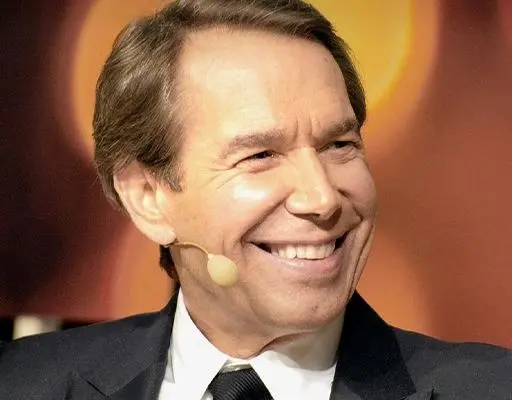
In a move that has sent ripples through the upper echelons of the art market, Jeff Koons, one of the most commercially successful living artists, has announced plans to liquidate a significant portion of his personal art collection. With a valuation reaching $100 million, the trove is slated to hit the auction block at Christie’s this fall. The collection, largely assembled during a prolific buying spree in the late 2000s, offers a rare glimpse into the aesthetic sensibilities of an artist known for his own hyper-contemporary works. It includes notable examples of Dutch Golden Age masterpieces, alongside seminal paintings by Pablo Picasso and Édouard Manet. This sale represents more than just a change in ownership; it is a major reallocation of blue-chip capital that will likely set the tone for the upcoming auction season.
While the market celebrates the circulation of these masterworks, the darker side of art ownership was brought into sharp focus by a shocking heist in France. Thieves have successfully stolen a 330-pound bronze book cover designed by the legendary surrealist Salvador Dalí. The piece, titled Livre de l’Apocalypse, is a rare treasure born from a collaborative effort between 14 esteemed artists and writers. Due to its immense scale and the rarity of the materials used, it is recognized as one of the heaviest and most expensive books ever produced. The theft, which has left the art community reeling, highlights the ongoing vulnerability of physical art objects to sophisticated criminal operations.
Meanwhile, in the United States, the San Francisco Museum of Modern Art (SFMoMA) is experiencing a different kind of buzz. The museum is preparing to host a highly anticipated exhibition featuring the private collection of K-pop superstar RM, the frontman of the globally renowned group BTS. The project, which marks the artist’s curatorial debut, has already generated massive public interest, with 50,000 tickets reserved in advance. The exhibition serves as a bridge between contemporary pop culture and the appreciation of traditional and modern Korean art, signaling a shift in how museums engage with younger, globalized audiences.
Institutional Evolution: Expansion, Leadership, and Research
The institutional landscape is also seeing a period of strategic growth and structural change. In a significant effort to address historical imbalances, the Rijksmuseum in Amsterdam and the Museo Nacional del Prado in Madrid have announced a new research partnership. This collaboration is specifically designed to highlight the often-overlooked role of women in the trajectory of art history. The partnership, which includes a robust fellowship program and a major exhibition slated for 2029, promises to deepen scholarly understanding and bring forgotten narratives to the forefront of the art-historical canon.
In London, the Zaha Hadid Foundation (ZHF) is preparing to open its doors to the public on October 29. The foundation has meticulously transformed the late, visionary architect’s former headquarters into a dedicated cultural and exhibition space. By converting the site of her creative output into a public-facing institution, the foundation ensures that Hadid’s legacy remains a living, breathing component of London’s architectural discourse.
Across the Atlantic, the Phoenix Art Museum in Arizona has received a transformative boost. Philanthropist Sukumar Nagendran has pledged $5 million to the institution, specifically earmarked for the expansion of its Sri Lankan and South Asian art galleries. This substantial donation will allow the museum to enhance its collections and programming, providing a more comprehensive representation of South Asian cultural history within the American Southwest.
Leadership transitions are also reshaping the global museum sector. The Louvre Abu Dhabi has appointed Souraya Noujaim as its new director. Noujaim, who previously served as the institution’s director of scientific, curatorial, and collections management, brings deep internal knowledge to the role, ensuring continuity as the museum continues to solidify its position as a cultural powerhouse in the Middle East. Similarly, in Hong Kong, Philip Tinari has been named the director of Tai Kwun Arts. Having served as the organization’s "head of art" since January, Tinari’s promotion formalizes his role in guiding the future of one of Asia’s most vital contemporary arts centers.
Market Surprises and the Search for Value
The unpredictability of the secondary market was recently illustrated by a remarkable discovery in Kalamazoo, Michigan. An estate sale find, initially purchased for a mere $30, turned out to be a painting by the American artist Gertrude Abercrombie. The work ignited a fierce bidding war, eventually selling for $1.35 million. Auction house representatives noted that the buyer essentially "saved it from being lost forever," a sentiment that captures the romantic allure of estate sale hunting. This event serves as a stark reminder that even in an age of hyper-documented provenance and high-frequency digital trading, the thrill of the "hidden gem" remains a cornerstone of the art market.
Looking Toward the Future: The New Museum Triennial
As the industry looks ahead, the New Museum has unveiled the artist list for its 2027 Triennial. The upcoming exhibition will feature 36 artists and collectives hailing from 34 different nations, marking the most internationally focused edition of the event to date. By centering diverse perspectives and global representation, the Triennial aims to offer a panoramic view of the current state of contemporary art.
The developments of the past week underscore a dynamic ecosystem where history, commerce, and public engagement intersect. From the $100 million portfolio shift of Jeff Koons to the grassroots discovery of an Abercrombie painting, the art world continues to function as both a repository of history and a mirror of contemporary cultural currents. Whether through the preservation of legacy at the Zaha Hadid Foundation or the expansion of global narratives in Phoenix and Amsterdam, these institutions and individuals continue to define the parameters of how we value, protect, and interpret art in the 21st century.