The art world is currently navigating a whirlwind of high-stakes auctions, institutional shifts, and the occasional, headline-grabbing mystery. From the personal divestment of blue-chip contemporary icons to the sudden disappearance of rare historical artifacts, the landscape of art collection and curation is in constant motion. As we look toward the final quarter of the year, several key stories are shaping the dialogue among collectors, institutions, and the public alike.
In the Spotlight
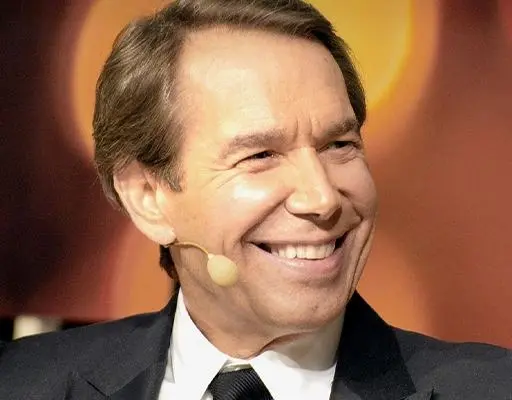
One of the most significant shifts in the contemporary market this fall involves Jeff Koons, arguably one of the most recognizable figures in modern art. In a move that has captured the attention of major auction houses and collectors, Koons has announced he is selling off a substantial portion of his personal art collection. The trove, which is valued at approximately $100 million, is slated to be offered at Christie’s later this season.
This collection represents a significant window into Koons’ own tastes as a collector, formed largely during a prolific buying spree in the late 2000s. Far from being limited to the pop-culture aesthetic he is famous for, Koons’ collection features a diverse range of historical treasures, including pieces from the Dutch Golden Age, as well as significant works by Pablo Picasso and Édouard Manet. The sale is expected to be a bellwether for the health of the high-end market, as collectors watch to see how these marquee names perform under the hammer.
While the market experiences this high-level reallocation of wealth, the security of historical treasures remains a volatile concern. A shocking art heist recently unfolded in France, where thieves managed to steal a massive, 330-pound bronze book cover designed by Salvador Dalí. The piece, titled Livre de l’Apocalypse, is widely considered a masterpiece of collaboration, having been crafted by a consortium of 14 artists and writers. Its sheer weight and historical significance as one of the heaviest and most expensive books ever produced make its recovery a top priority for French authorities, who are currently investigating the circumstances of this daring theft.
On a more celebratory note, the intersection of pop culture and high art continues to reach new audiences. RM, the leader of the global K-pop sensation BTS, has made a highly successful foray into the museum world with his curatorial debut at the San Francisco Museum of Modern Art (SFMoMA). The exhibition, which focuses on the singer’s collection of Korean art, has already generated massive public interest. With 50,000 tickets already reserved, the show is being hailed as a potential blockbuster, proving that the bridge between contemporary celebrity and traditional art curation is stronger than ever.
Museums and Galleries
Institutional partnerships and leadership changes are currently defining the direction of major museums across the globe. In Europe, the Rijksmuseum in Amsterdam and the Museo Nacional del Prado in Madrid have announced a landmark research partnership. This collaboration is specifically designed to highlight the often-overlooked role of women in art and history. The multi-year initiative will include a dedicated fellowship program and is expected to culminate in a significant exhibition in 2029, promising to reshape how these historic institutions present the narrative of the artistic canon.
In London, the Zaha Hadid Foundation (ZHF) is moving forward with an ambitious project to honor the legacy of the late, visionary architect. The foundation has transformed Hadid’s former headquarters into a new cultural space. This venue, which is set to open to the public on October 29, will serve as a hub for architectural discourse and public engagement, offering fans and scholars alike a closer look at the environment where some of the world’s most iconic structures were conceived.
Philanthropy also continues to play a vital role in museum growth. The Phoenix Art Museum in Arizona recently announced a $5 million donation from philanthropist Sukumar Nagendran. The funds are earmarked for the expansion of the museum’s galleries dedicated to Sri Lankan and South Asian art, signaling a commitment to broadening the global scope of the museum’s permanent collection and enhancing the visitor experience for those interested in these specific cultural histories.
Leadership transitions are similarly reshaping the landscape in the Middle East and Asia. The Louvre Abu Dhabi has appointed Souraya Noujaim as its new director. Noujaim is a familiar face at the institution, having previously served as the museum’s director of scientific, curatorial, and collections management. Her appointment is seen as a sign of continuity and strategic depth for one of the region’s most prestigious cultural entities.
Simultaneously, in Hong Kong, Philip Tinari has been named the director of Tai Kwun Arts. Tinari, who had been serving as the organization’s "head of art" since January, will now take on the full directorship. His leadership comes at a pivotal time for the Tai Kwun center, which has become a focal point for contemporary art in the region.
Auctions and Market Trends
While high-value sales like the Koons collection dominate headlines, the secondary market continues to offer stories of extraordinary serendipity. In a tale that has captivated the art community, a painting by Gertrude Abercrombie—purchased for a mere $30 at an estate sale in Kalamazoo, Michigan—recently ignited a massive bidding war. The work ultimately sold for $1.35 million, a staggering return that underscores the enduring potential for discovery in the estate sale circuit. Auction house representatives noted that the buyer, who recognized the value of the piece, essentially saved a significant work from being permanently lost to history.
Fairs and Biennials
Looking toward the future of exhibition programming, the New Museum in New York has revealed the lineup for its 2027 Triennial. The upcoming exhibition will showcase the work of 36 artists and collectives hailing from 34 different nations. By prioritizing such a broad geographical reach, the curators aim to make this the most internationally focused edition in the history of the event. This emphasis on global perspective reflects a broader trend in the art world to move beyond traditional Western-centric models of curation, offering a platform for a wider range of voices and experiences.
As these developments unfold—from the private divestment of masterworks to the democratization of museum access and the unpredictable nature of the secondary market—the art world remains a complex, shifting landscape. Whether through the preservation of history or the elevation of new voices, these events collectively highlight the evolving priorities of collectors and the institutions tasked with safeguarding our cultural heritage. For those tracking the pulse of the market, the coming months promise to be just as dynamic as the ones that preceded them.