In the fast-paced ecosystem of contemporary arts and culture, the boundary between political resistance and cultural expression often dissolves entirely. This week’s dispatch from Hyperallergic editor-in-chief Hakim Bishara captures the complex intersection of global politics, institutional critique, and deeply personal reflections on art. From the halls of major metropolitan museums to the streets of international protest, the cultural landscape remains a battleground for meaning, memory, and social change.
The Met’s Krasner and Pollock Show Is a Breathtaking Upending
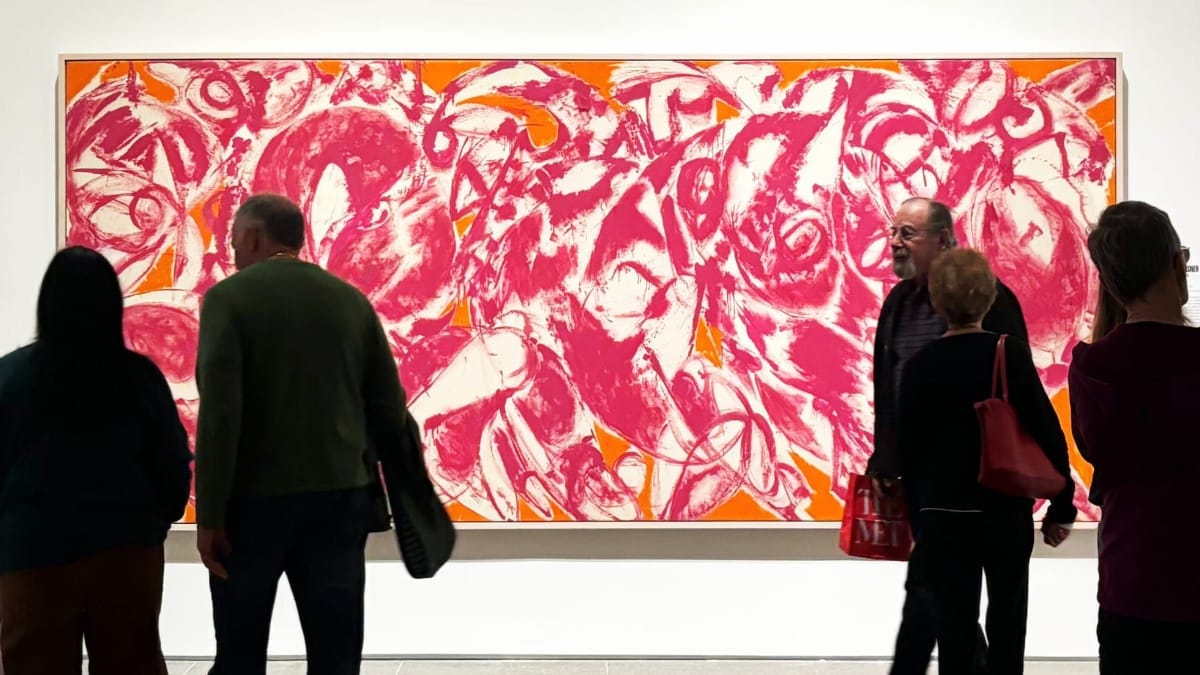
Art history frequently relies on neat narratives, packaging complex romantic and creative partnerships into digestible historical footnotes. However, a major new exhibition at the Metropolitan Museum of Art focusing on Lee Krasner and Jackson Pollock shatters these conventional tropes. In a review for Hyperallergic, critic Lucy Ives unpacks the emotional and aesthetic friction of the show, approaching it not merely through the lens of art historical canon, but through the messy, irreducible reality of human relationships.
Reflecting on the exhibition, Ives examines the inherent difficulties of parsing another person’s creative or romantic entanglement. "I was married to an artist once. It was not a good experience, although calling it ‘an experience’ makes it sound like a unified, parsable thing, and it wasn’t that, either," Ives writes, grounding her criticism in the lived realities of creative life. The exhibition forces viewers to look past the mythology of mid-century abstract expressionism and confront the volatile dynamics that fueled some of the period’s most enduring works. Once a relationship ends, Ives notes, it becomes a moving target where chaos and ecstasy continually trade places, reminding us that critical distance is often harder to maintain than we might care to admit.
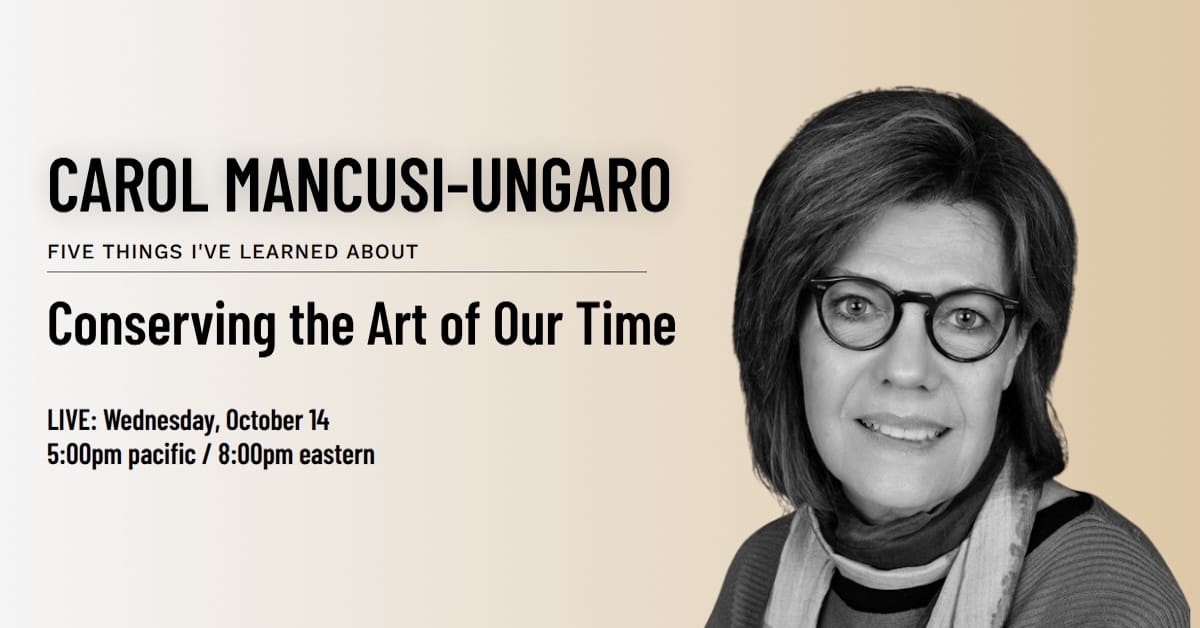
Complementing this deep dive into postwar American abstraction, art restorer Carol Mancusi-Ungaro has been engaging audiences online to discuss the fragile mechanics of preserving masterpieces by artists such as Mark Rothko, Barnett Newman, and Cy Twombly. The preservation of these works highlights an ongoing debate within the museum world: how to maintain the physical integrity of art born from intense emotional and material experimentation without neutralizing its raw power.

News and Global Unrest: Generational Defiance
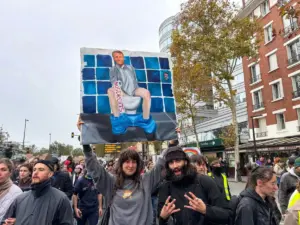
Beyond the gallery walls, the week’s news cycle was dominated by stark clashes between institutional power and grassroots defiance. Protests led by students in France have captured international attention, symbolizing a broader generational pushback against economic tightening and austerity measures. Yet, the media framing of these events has often exposed a deep ideological divide.
In a sharp critique of mainstream commentary, Bishara points to the disconnect between the lived urgency of European youth and the sterile calculus of economic pundits. Tuning into a New York Times podcast covering the French demonstrations, listeners were met with a familiar neoliberal refrain: that France’s primary economic failing is its provision of "too generous" pension plans and parental leaves. Commentators scolded the government for saddling the nation with debt and failing to remain competitive in a ruthless global marketplace.
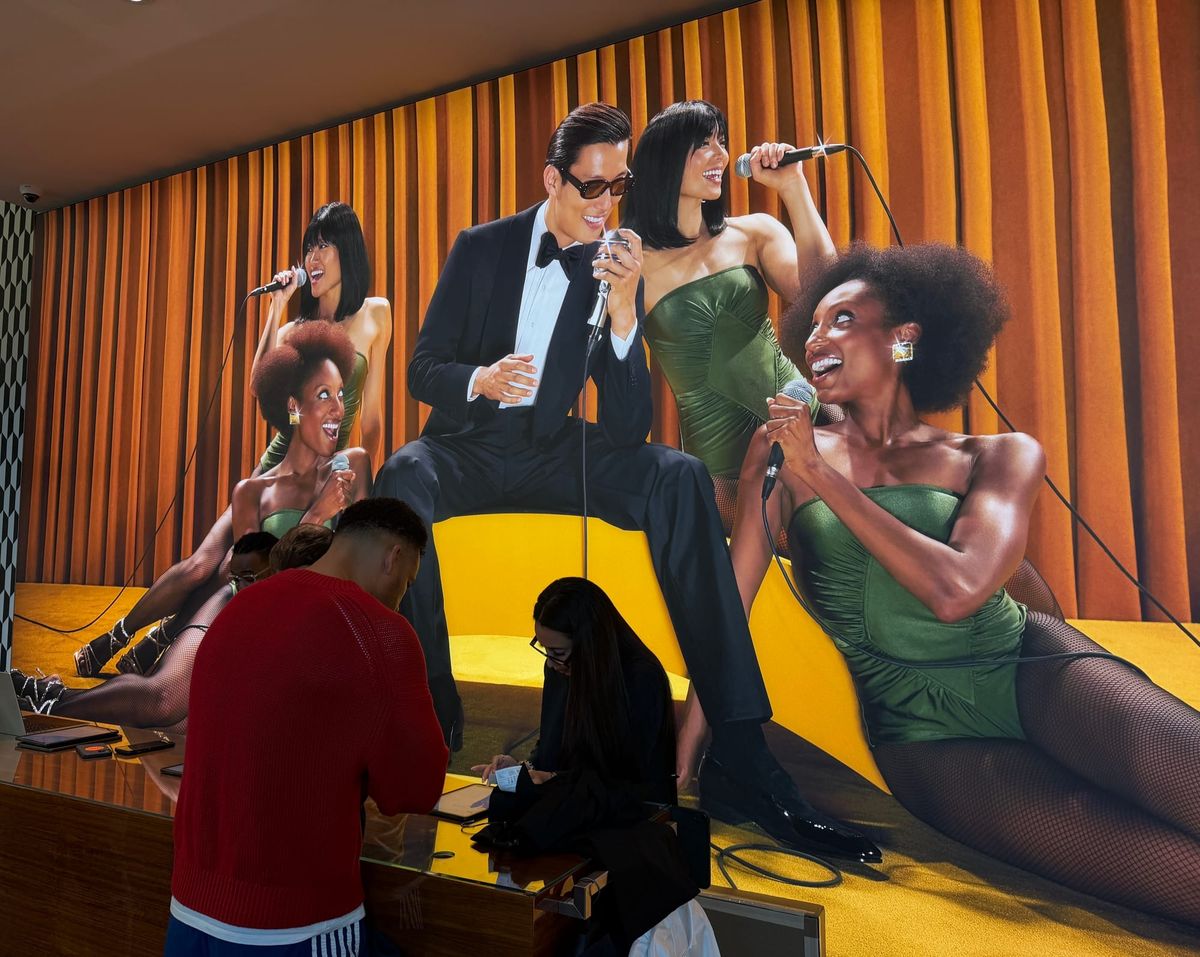
For many observers watching the demonstrations unfold, this technocratic hand-wringing represents an inversion of priorities—valuing market efficiency over human dignity. As Nina Simone’s haunting voice echoes through the cultural ether, singing "Tomorrow will be the 22nd century," a new generation—dubbed generation 6-7—appears determined to rewrite the script of historical dissent, echoing the radical spirit of May 1968.
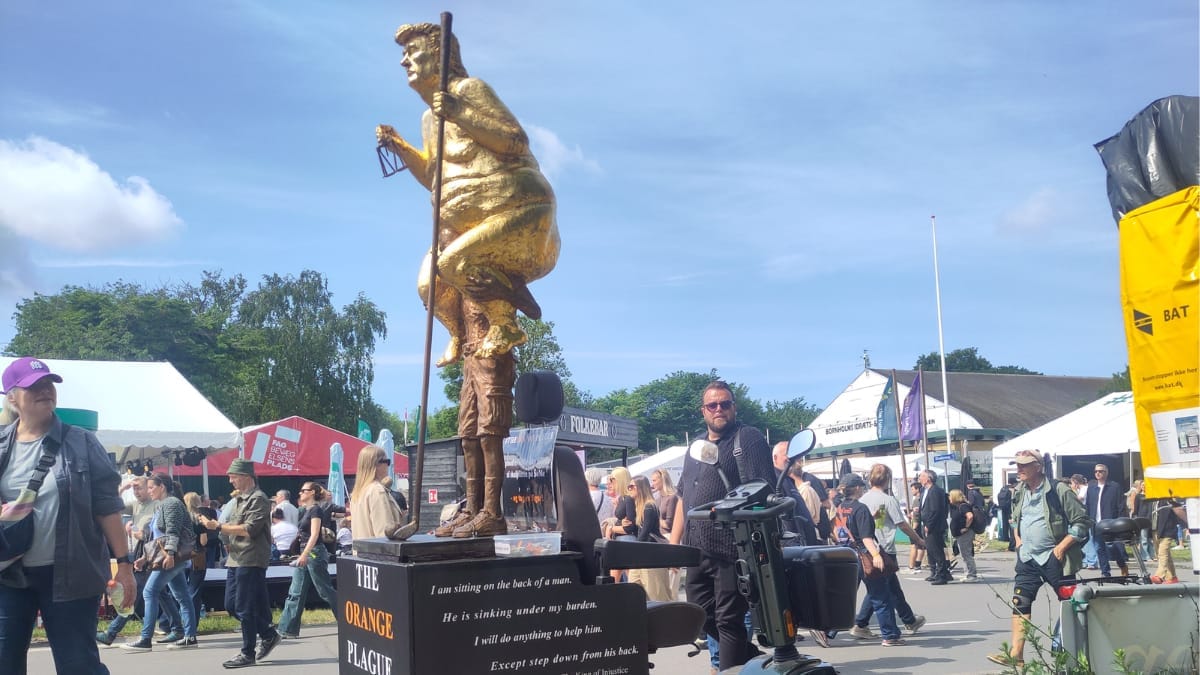
This spirit of irreverence and political satire also manifested within the halls of the European Parliament, where officials recently installed a gilded nude statue mocking United States political figures. The installation underscores a growing appetite within European cultural and political spaces for sharp, performance-driven satire directed against transatlantic political maneuvers.
From Queer Performance to Institutional Critiques
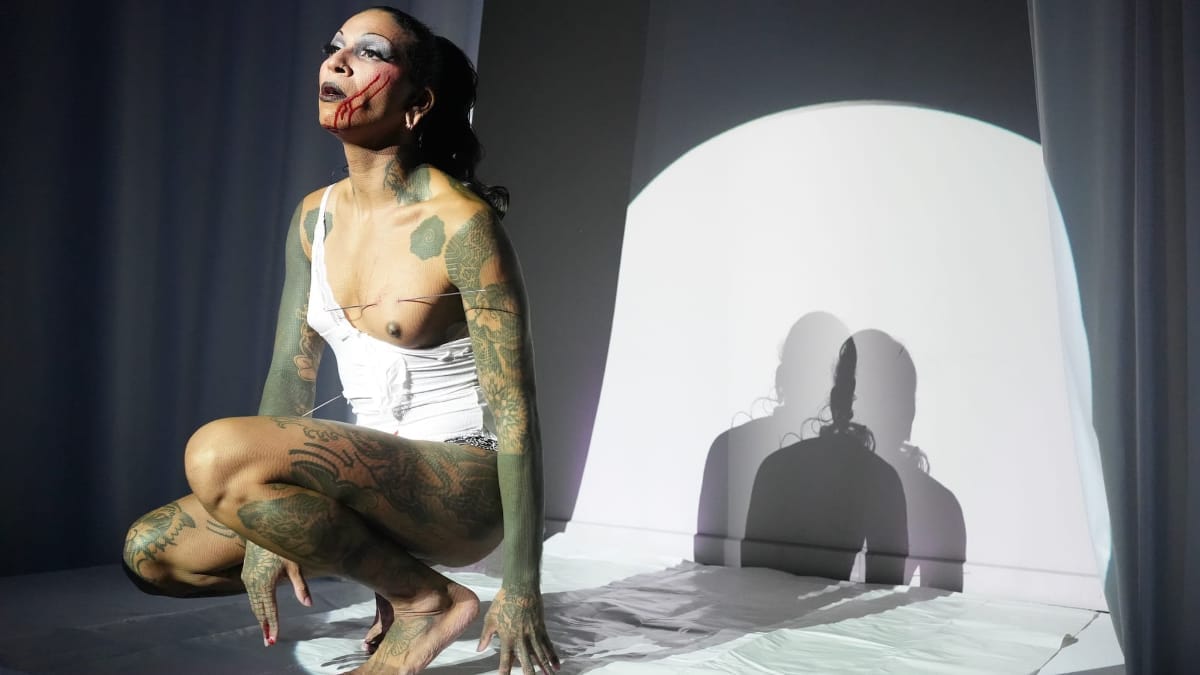
The vitality of the cultural sector was further tested this week through discussions surrounding queer performance art, institutional governance, and the stewardship of historical archives. Critics have increasingly turned their attention to how arts institutions sustain—or fail to sustain—their foundational radical missions.
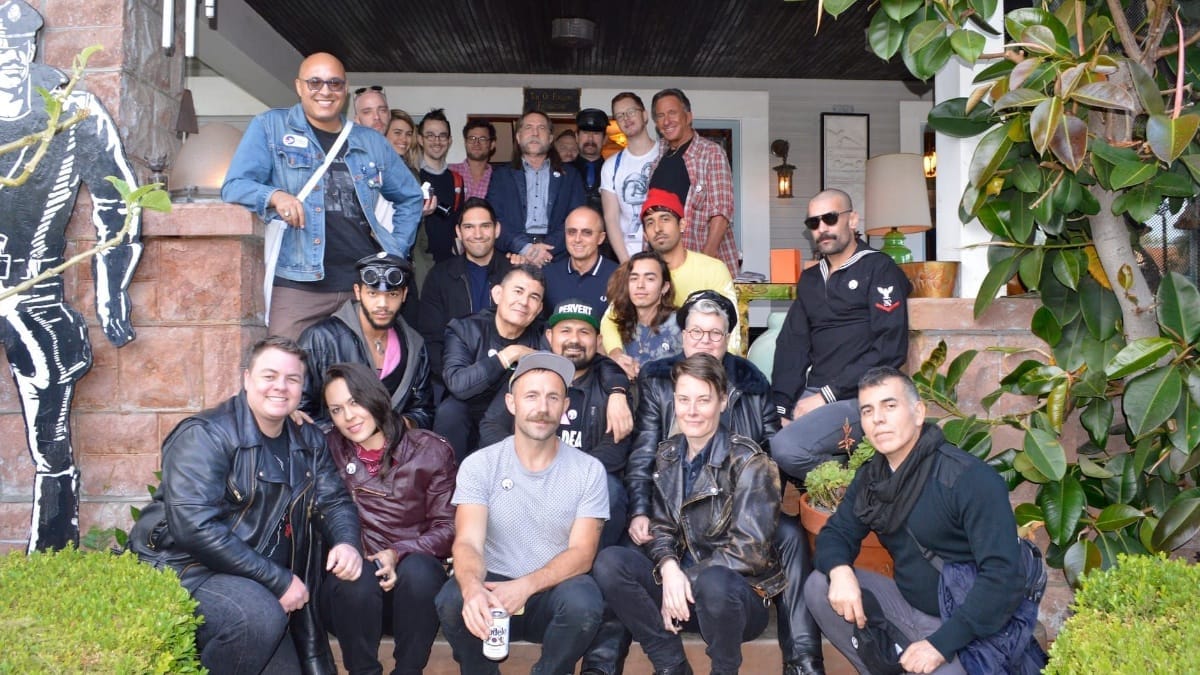
A notable point of discussion centers on the Tom of Finland Foundation, where a growing number of queer artists have raised concerns that the institution has drifted away from its countercultural roots. Founded to preserve and promote erotic art and champion marginalized sexual expressions, the foundation faces mounting internal and external debates over its future direction and commitment to its original community. These tensions reflect a wider institutional anxiety: how can organizations dedicated to radical or countercultural art avoid the homogenizing effects of mainstream institutionalization?
Meanwhile, the conversation surrounding museum leadership has taken on a horticultural metaphor. In a recent opinion piece for Hyperallergic, the role of the museum director is likened to that of a gardener—someone who must carefully tend, prune, and cultivate an institutional ecosystem rather than simply manage corporate growth or blockbuster attendance metrics. This perspective challenges the increasingly managerial approach adopted by many major cultural institutions worldwide.
Interviews and Literary Legacies
Artistic endurance and institutional memory were also central themes in a recent interview with Elaina Richardson, who is stepping down after 26 years as the president of Yaddo, the legendary artists’ colony in Saratoga Springs, New York. Over more than two decades, Richardson oversaw the residency of thousands of writers, composers, and visual artists, steering the historic institution through significant cultural and financial shifts while preserving its core mission as a sanctuary for creative deep work.
On a similarly reflective note, conversations in the literary and visual arts turned toward the complex legacies of historical masters. Reviewing recent publications on J.M.W. Turner, critic Tao Leigh Goffe explores the darker, often overlooked dimensions of Romantic landscape painting. In exhibitions and texts examining "Turner and the Slave Trade," scholars are recasting Romanticism’s relationship to nature not merely as an innocent appreciation of the sublime, but sometimes as an aesthetic vehicle intertwined with colonial trade and empire.
Closer to home, contemporary dialogues continue to bridge international borders. Bishara recalls a meeting in Manhattan with Algerian-French artist Kader Attia, who was interviewed ahead of a major exhibition he is curating in India. Known for his profound explorations of repair, trauma, and post-colonial history, Attia offered a striking perspective on modern vulnerability, encouraging artists and thinkers to wear their wounds openly in an increasingly fractured world.
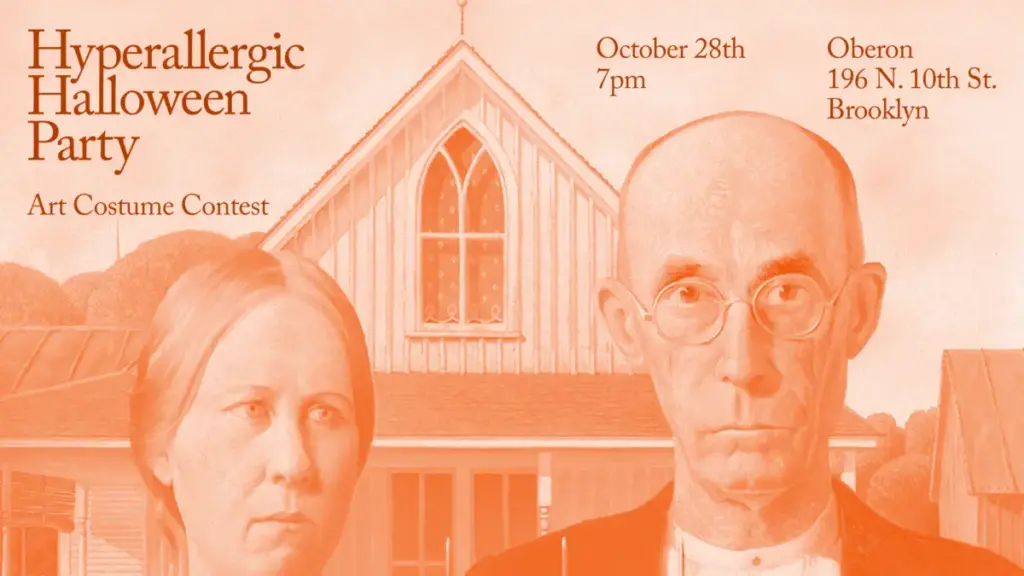
As October progresses, cultural calendars are filling rapidly with events ranging from Halloween-themed art celebrations in Brooklyn to extensive retrospective guides across Los Angeles. Yet beneath the social calendar and the exhibition openings lies a persistent undercurrent of urgency. Whether through the uncompromising brushstrokes of Lee Krasner, the defiant voices of students in European streets, or the quiet labor of preservationists and archivists, the arts remain a vital arena where society negotiates its past, present, and fragile future.