For homeowners navigating an era of fluctuating utility costs and heightened environmental awareness, finding reliable ways to reduce household expenses while improving living conditions has become a top priority. Among the various home improvement options available, cavity wall insulation has increasingly emerged as a practical and highly rewarding investment. By addressing one of the primary vulnerabilities in modern domestic architecture—heat loss through exterior walls—this specialized insulation method offers a dual benefit of immediate financial relief and long-term structural efficiency.
Unlike traditional methods that target roofs or floors, cavity wall insulation focuses directly on the gap, or cavity, that typically exists between a building’s interior and exterior walls. This space, usually measuring between 50mm and 100mm wide, acts as a thermal bridge if left empty, allowing valuable indoor heat to escape during colder months and unwanted warmth to seep in during the summer. Filling this gap creates a robust thermal barrier that significantly stabilizes indoor temperatures, keeping homes noticeably warmer in the winter and cooler in the summer while lowering overall energy consumption and reducing a household’s carbon footprint.
Recent studies and industry data underscore the financial viability of this home upgrade. According to findings from the Energy Saving Trust, proper cavity wall insulation can save homeowners anywhere from £180 to £690 per year on their heating bills, depending on the property size and existing energy habits. Over the typical twenty-five-year lifespan of the insulation material, these annual reductions compound into substantial financial savings. Consequently, property owners looking to bolster their energy efficiency or enhance their everyday comfort are finding that cavity wall insulation is an option well worth serious consideration.
What is Cavity Wall Insulation?
At its core, cavity wall insulation involves treating the hollow space situated between the inner and outer masonry leaves of a building’s exterior envelope. This structural design, standard in many properties built over the past several decades, is engineered to prevent moisture from penetrating the interior living space. However, an unfilled cavity allows considerable thermal transfer. By introducing specialized insulating materials into this gap, professionals can effectively trap air pockets within the material, drastically slowing down the rate at which heat escapes through the walls.
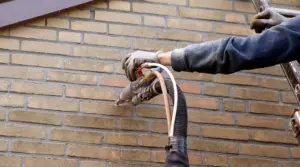
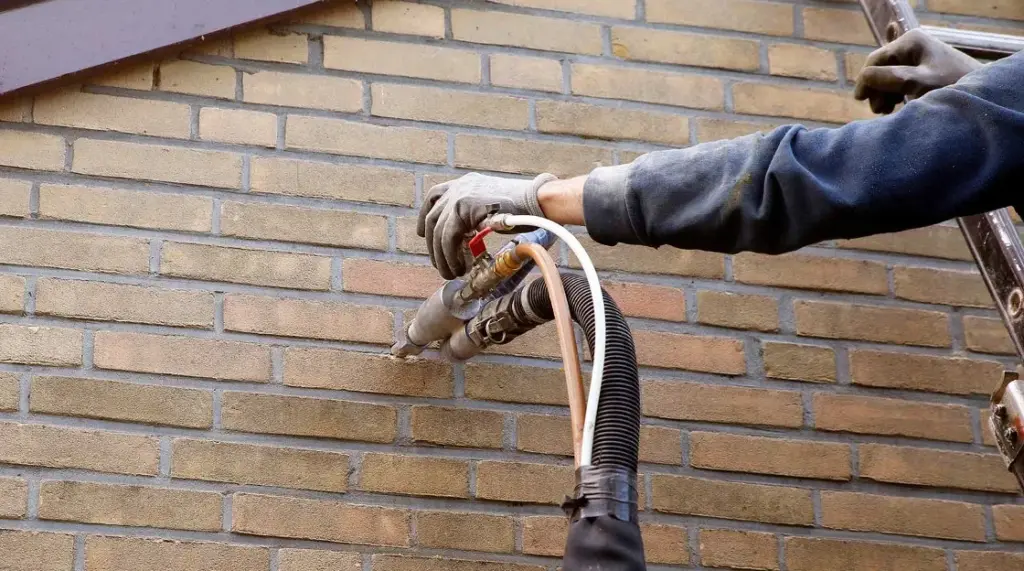
The application of this insulation generally falls into two primary categories: blown insulation and injected insulation. Blown insulation utilizes specialized pneumatic equipment to propel lightweight materials, such as mineral wool or expanded polystyrene beads, into the cavity through strategic access points. Injected insulation, meanwhile, involves technicians drilling small, precise holes into the exterior mortar joints and using a specialized pump to introduce the insulating compound into the cavity space. Both methods have proven highly effective and can be successfully applied to a wide variety of standard residential buildings.
Because of its high thermal performance and unobtrusive installation process, cavity wall insulation remains a cornerstone of residential energy retrofitting. It provides property owners with a reliable mechanism for curbing escalating energy expenditures without requiring major structural renovations or displacing residents for extended periods.
The Benefits of Cavity Wall Insulation
The advantages of insulating a home’s exterior walls extend well beyond simple utility bill reductions. Homeowners who complete the process typically experience a comprehensive enhancement in their daily living environment and long-term property standing.
The most immediate and tangible benefit is the reduction in annual energy bills. Because the insulation successfully curtails the volume of heat dissipating through the walls, the heating system does not have to work nearly as hard or run as frequently to maintain a comfortable indoor temperature. This drop in required energy translates directly into lower monthly or quarterly utility expenditures. Over decades of operation, these savings easily outweigh the initial capital outlay required for the installation.
Beyond financial savings, the installation of cavity wall insulation leads to a noticeable increase in household comfort. Properties that previously suffered from stubborn cold spots, persistent drafts, or uneven heating find that internal temperatures become much more consistent from room to room. The thermal barrier dampens the influence of fluctuating outdoor weather, ensuring a more pleasant indoor atmosphere throughout every season of the year.
Furthermore, the environmental benefits are significant. By minimizing the amount of fossil fuels or electricity consumed for home heating, households directly decrease their carbon footprint. This reduction in greenhouse gas emissions represents a meaningful contribution to broader environmental conservation goals at the individual level.
In addition to comfort and environmental impact, energy efficiency has become a major selling point in the real estate market. Properties equipped with verified cavity wall insulation often enjoy increased property value and marketability. Prospective homebuyers increasingly prioritize energy-efficient features that promise lower ongoing maintenance and utility costs, making insulation a strategic asset for anyone contemplating a future sale.
The Cost of Cavity Wall Insulation
While the long-term financial advantages are clear, prospective buyers must consider the upfront financial commitment required for the installation. The overall cost of cavity wall insulation varies based on several distinct variables, including the physical dimensions of the property, the specific type of insulation material selected, and the technical method required for installation.
For a standard semi-detached house, the average cost typically ranges between £900 and £1,200. However, larger detached properties or homes with complex architectural layouts may incur higher expenses, while smaller terraced homes or flats may require a lower investment.

Financial analysts emphasize that this expenditure should be viewed as a long-term capital investment rather than a standard household expense. When measured against the cumulative savings on heating bills and the potential appreciation in property value, the initial outlay is offset over time, making it a sound fiscal decision for long-term homeowners.
How to Know if Your Home Needs Cavity Wall Insulation
It is important to recognize that not every residential property is structurally compatible with cavity wall insulation. Older historical properties, for instance, often feature solid brick construction with no cavity space whatsoever. Other buildings may possess a cavity, but it might be too narrow or obstructed by construction debris to allow for proper filling.
To determine whether a specific property is a suitable candidate, homeowners are advised to consult a professional insulation contractor. Certified specialists possess the tools and training to conduct a thorough technical survey of the property, examining the walls with specialized cameras or diagnostic instruments to assess the condition and width of the cavity. Based on these findings, experts can recommend the most appropriate insulation strategy.
Additionally, the age of the building serves as a strong indicator. Properties constructed from the 1990s onward were frequently built with insulation already integrated during the initial construction phase, meaning many modern homes do not require retrofitting.
The Installation Process of Cavity Wall Insulation
Due to the specialized machinery, safety protocols, and technical expertise required, cavity wall insulation is rarely suited for a do-it-yourself approach. Professional execution is essential to ensure the material is distributed evenly without leaving untreated gaps, which could lead to cold spots or moisture retention issues.
Reputable firms handle the entire process from initial assessment to final cleanup. Established providers, such as Dyson Energy Services—which has delivered energy-saving solutions to residential homes since 1982—employ trained technicians who execute the drilling, filling, and mortar repair phases with precision. Selecting an established and accredited company ensures that the installation complies with industry standards and building regulations.
How to Choose the Right Insulation Material
Selecting the appropriate insulation material is a critical decision that depends on several property-specific factors. Common materials utilized in the industry include mineral wool, expanded polystyrene beads, and specialized foam products. Each material offers distinct thermal properties, moisture-resistance levels, and structural behaviors.
The choice of material is often influenced by the local environment and the specific exposure of the building. For instance, properties situated in coastal regions or areas experiencing high levels of wind-driven rain may require hydrophobic materials, such as treated polystyrene beads or specific foams, that prevent moisture bridging across the cavity. A qualified installation specialist can provide guidance on which material matches the architectural requirements of a given home.
Maintenance and Upkeep of Cavity Wall Insulation
Once properly installed, cavity wall insulation requires very little active maintenance. Because the material is sealed securely within the wall structure, it operates passively for decades without mechanical intervention.
However, homeowners should remain vigilant for external warning signs. The appearance of internal dampness, peeling wallpaper, or localized mold growth can sometimes indicate a compromised damp-proof course or an issue with the wall cavity. If such signs appear, property owners should promptly arrange for a professional inspection to identify the root cause and ensure the insulation remains dry and structurally sound.
Potential Savings on Energy Bills with Cavity Wall Insulation
The financial return on investment for cavity wall insulation is heavily supported by practical utility data. Households that successfully insulate their walls frequently report immediate drops in their quarterly energy consumption.
For a household spending an average of £1,000 annually on space heating, a potential reduction of up to 25% translates to savings of approximately £250 per year. Over a twenty-five-year period, cumulative savings of this magnitude highlight why energy-efficiency retrofits remain a focal point for domestic financial planning.
Ultimately, cavity wall insulation stands out as a proven, reliable method for enhancing residential comfort while addressing the financial and environmental challenges of home heating. By engaging qualified professionals, selecting the appropriate materials, and understanding the long-term structural benefits, homeowners can secure a more efficient and comfortable living environment for years to come.