For homeowners looking to revitalize a tired interior space without undertaking the grueling and often messy task of stripping old wallpaper, a persistent decorating dilemma frequently arises: whether to simply paint directly over the existing wall covering. While interior design professionals and seasoned DIY enthusiasts often debate the merits of this approach, painting over wallpaper can indeed serve as a significantly faster shortcut to a room revamp, bypassing the exhaustive labor of scraping, steaming, and preparing bare plaster beneath. However, industry experts caution that this seemingly straightforward method comes with a distinct set of considerations, potential pitfalls, and preliminary assessments that must be carefully navigated to avoid a costly and unsightly disaster.
The debate centers largely on time efficiency versus long-term durability. Stripping wallpaper requires patience, chemical strippers, steam machines, and considerable elbow grease, followed by extensive wall repairs before a fresh coat of paint can even be considered. By contrast, painting directly over the paper appears to streamline the transformation process entirely. Yet, before any homeowner picks up a roller or opens a paint tin, a thorough structural assessment of the current walls is vital.
The primary prerequisite for a successful paint-over project is the overall condition of the underlying wallpaper. Experts advise that the paper must be in good, stable condition, entirely free from significant rips, tears, or structural degradation. If the wallpaper is already failing or compromised, attempting to paint over it is rarely advisable. For instance, wallpaper that is actively peeling in multiple locations across a room is a strong indicator that the adhesive paste beneath has lost its bonding strength. This failure can stem from a variety of causes, ranging from inferior paste used during the initial installation to lingering dampness or moisture problems within the room that continue to undermine the wall integrity. In such scenarios, trying to lock the peeling paper down with fresh coats of paint will only result in bubbling, cracking, and eventual failure of the new finish, making a complete strip down to the bare wall the only viable long-term solution.
There are, however, nuances to consider when minor damage is detected. If the peeling or lifting is strictly localized to a single, isolated area, a homeowner may successfully salvage the project by carefully re-sticking the loose edge with appropriate wallpaper paste before any painting begins. This remedial step requires precision to ensure no air bubbles are trapped beneath the paper, and the repaired section must be allowed to dry thoroughly and cure completely before subsequent layers are applied.
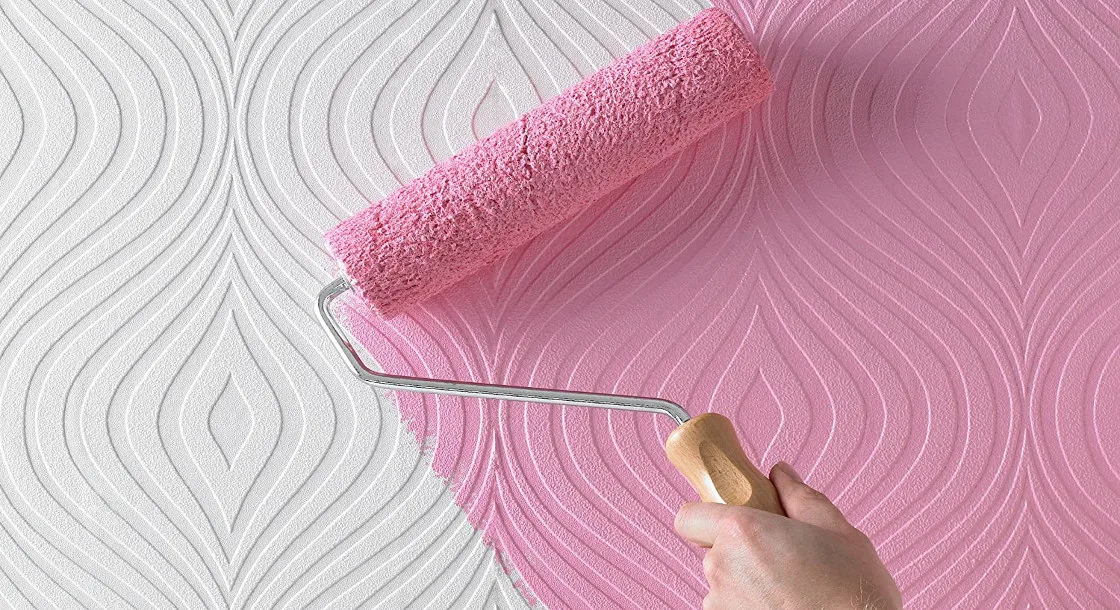
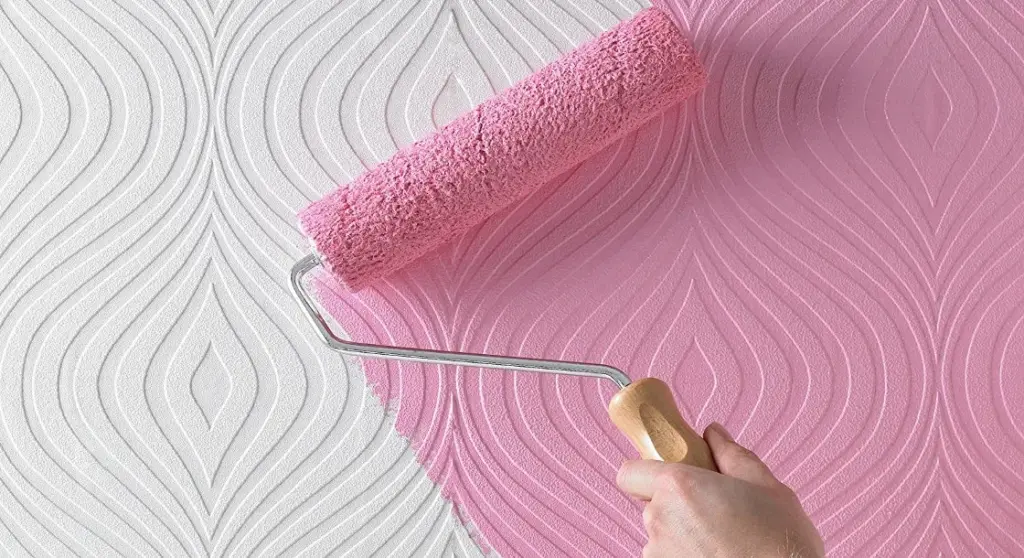
Beyond the physical condition of the paper, its surface characteristics also dictate the final aesthetic outcome. Plain, flat wallpaper provides the most accommodating canvas for a coat of paint, yielding a smooth, uniform surface that closely mimics a traditionally painted wall. Conversely, textured, embossed, or heavily patterned wallpapers can still be painted over, but homeowners must be prepared to accept that the underlying texture, relief, or pattern will remain visibly prominent beneath the new color. For some, this adds a subtle, tactile dimension to the room, while others may find it distracts from the clean lines of a modern paint finish.
Assuming the initial inspection confirms the wallpaper is structurally sound, the necessary preparation phase is remarkably straightforward compared to a full stripping job, though it still demands careful attention to detail. Protecting surrounding woodwork, flooring, and fixtures with painter’s masking tape is essential to achieving sharp, professional-looking lines and preventing accidental splatters.
One of the most critical technical hurdles in painting over wallpaper involves the choice of primer. Even when dealing with light-coloured, unpatterned paper, applying at least one coat of primer is strongly recommended by decorating specialists. A proper primer ensures a clean, even base for the final topcoat and helps mask the underlying paper more efficiently. However, decorators must exercise caution regarding the chemical composition of the primer they select. Water-based primers carry a significant risk; because paper is porous, a water-based product can easily soak too deeply into the wallpaper, reactivate the old adhesive paste underneath, and cause the paper to bubble, loosen, or detach entirely from the wall.
To mitigate this risk, industry professionals consistently recommend utilizing an oil-based primer or specific sealing formulations when preparing wallpaper for painting. Products such as specialized all-in-one primer and sealer combinations are frequently cited as reliable choices for stabilizing the surface, sealing the paper against moisture, and creating a secure barrier for the subsequent paint layers. Decorators are generally advised to apply one or two thorough coats of this specialized primer, allowing each layer to dry completely before progressing to the topcoat stage.

Once the priming phase is successfully completed and the surface is fully cured, homeowners can select their preferred topcoat paint color and finish the transformation. Yet, even with meticulous planning and preparation, unexpected issues can occasionally emerge as the project progresses.
One common complication involves the appearance of gaps between individual strips of wallpaper. While professionally hung wallpaper fits seamlessly when first installed, natural expansion and contraction cycles as the paper dries and ages can sometimes cause the seams to shrink slightly, resulting in thin, noticeable gaps between the sheets. While this minor separation does not automatically ruin a paint-over project, it does require deliberate intervention to achieve a polished final appearance.
Addressing these seams typically takes place after the primer has been applied and set. Homeowners can use a fine filler to bridge the gap between sheets, but precision is paramount. The applied filler must be carefully sanded back until it is entirely flush and level with the surrounding paper surface. Because any raised edges or excess filler will be heavily accentuated once the final paint color is rolled over the wall, taking the extra time to achieve a smooth, seamless finish during this stage is critical to the overall success of the room revamp. Through careful inspection, proper priming choices, and diligent attention to surface details, painting over wallpaper can remain a viable and efficient alternative to traditional stripping for those looking to refresh their living spaces.