The global art market and the institutional world are currently experiencing a period of intense activity, marked by high-profile divestments, international collaborations, and the intersection of popular culture with fine art. From the auction block to the museum floor, the news cycle reflects a complex landscape where historical preservation, private wealth management, and public engagement continue to evolve.
In the Spotlight: Acquisitions, Heists, and Celebrity Curation
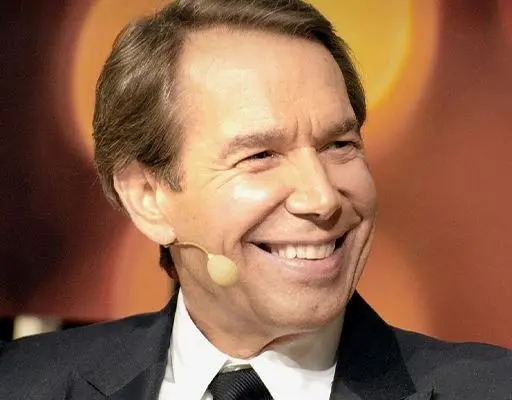
Perhaps the most significant development in the private market this season is the announcement that Jeff Koons, one of the most commercially successful artists of the 21st century, is parting with a substantial portion of his personal collection. Valued at approximately $100 million, the trove is slated to hit the auction block at Christie’s this fall. The collection is a testament to Koons’s own eclectic sensibilities, featuring a range of works acquired during an aggressive buying spree in the late 2000s. Among the highlights are rare pieces from the Dutch Golden Age, as well as significant works by masters such as Pablo Picasso and Édouard Manet. For collectors, this sale offers a rare glimpse into the aesthetic influences that have arguably shaped Koons’s own approach to pop art and consumer culture.
While some collections are being moved into the market, others are tragically disappearing. In a stark reminder of the vulnerabilities facing the art world, French authorities are investigating a shocking heist involving a monumental work by Salvador Dalí. Thieves managed to abscond with a 330-pound bronze book cover designed by the surrealist master. The piece, known as the Livre de l’Apocalypse, is not merely a sculpture but a significant historical artifact—a collaborative "masterpiece" created by 14 prominent artists and writers. Regarded as one of the heaviest and most expensive books ever conceived, its theft represents a major loss for the cultural heritage community and has prompted an international search for the whereabouts of the bronze volume.
In a brighter turn for museum attendance, the San Francisco Museum of Modern Art (SFMoMA) has found itself at the center of a cultural phenomenon. The institution is hosting a curatorial debut by K-pop superstar RM of the globally renowned group BTS. The exhibition, which showcases the singer’s personal collection of Korean art, has sparked an unprecedented level of public interest. With over 50,000 tickets already reserved, the show is poised to be a blockbuster, demonstrating the increasing power of celebrity influence in bridging the gap between traditional fine art institutions and younger, digitally native audiences.
Museums and Galleries: Strategic Growth and Institutional Leadership
Institutional collaboration remains a cornerstone of the art world’s strategy to address historical imbalances. A newly announced research partnership between the Rijksmuseum in Amsterdam and the Museo Nacional del Prado in Madrid aims to systematically re-examine the role of women in art history. The long-term initiative will include a dedicated fellowship program, fostering a deeper academic dialogue between two of Europe’s most prestigious institutions, with a culminating exhibition currently planned for 2029.
In London, the physical legacy of architecture continues to evolve as the Zaha Hadid Foundation (ZHF) prepares to open the doors of the late architect’s former headquarters to the public. Starting October 29, the space—which served as the nerve center for Hadid’s groundbreaking designs—will function as a cultural hub, providing the public with unprecedented access to her archives and the creative philosophy that defined her career.
Financial health remains equally vital for regional institutions. The Phoenix Art Museum in Arizona recently received a significant boost in the form of a $5 million donation from philanthropist Sukumar Nagendran. The funds are earmarked for the expansion and enhancement of the museum’s galleries dedicated to Sri Lankan and South Asian art, reflecting a broader commitment among American museums to diversify their permanent collections and provide more comprehensive representations of global artistic traditions.
Leadership transitions are also shaping the future of global institutions. The Louvre Abu Dhabi has officially appointed Souraya Noujaim as its new director. Noujaim is a familiar face within the organization, having previously served as the museum’s director of scientific, curatorial, and collections management. Her appointment signals a desire for continuity as the institution continues to solidify its status as a premier cultural destination in the Middle East. Similarly, in Hong Kong, Philip Tinari has been named the director of Tai Kwun Arts. Having served as the organization’s "head of art" since the beginning of the year, Tinari’s promotion marks a formalized step forward for the institution’s programming and strategic direction.
The Auction Market: From Estate Sales to High-Stakes Bidding
The unpredictable nature of the art market was on full display this month when a seemingly modest discovery resulted in a staggering financial return. A painting by the American surrealist Gertrude Abercrombie, purchased for a mere $30 at an estate sale in Kalamazoo, Michigan, ignited a fierce bidding war that eventually reached $1.35 million. The narrative surrounding the sale has captured the imagination of the public, with the auction house characterizing the buyer as a savior who rescued the work from being "forever lost" to the obscurity of a garage sale. The incident serves as a poignant reminder of the enduring volatility and potential for sudden, life-changing valuation shifts within the art trade.
Fairs and Biennials: Global Perspectives for 2027
As the art world looks toward the future of major exhibitions, the New Museum has announced the artist list for its 2027 Triennial. The upcoming iteration promises to be the most internationally focused in the event’s history, featuring 36 artists and collectives hailing from 34 different nations. By prioritizing geographic diversity, the Triennial seeks to move away from Western-centric perspectives, offering a platform for voices that are often underrepresented in the global art circuit.
These developments—ranging from the high-stakes dispersal of personal collections like that of Jeff Koons to the grassroots discovery of a forgotten Abercrombie—underscore a market that is constantly oscillating between the preservation of history and the hunger for new, diverse narratives. Whether through the lens of a celebrity curator at SFMoMA or the research-driven initiatives at the Prado and the Rijksmuseum, the art world continues to adapt to the changing demands of its global audience, balancing the weight of the past with an ambitious, and often unpredictable, vision for the future. As the industry moves into the final quarter of the year, the focus remains on how these institutional and private shifts will inform the next chapter of artistic appreciation and economic engagement.