When it comes to room transformations, deciding how to handle old wall coverings is often the most time-consuming crossroads for property owners. Choosing to paint directly over existing wallpaper has long been debated in the home improvement sphere as a potentially faster alternative to the tedious process of stripping paper, preparing bare plaster, and subsequently painting. While bypassing the removal stage can save significant hours of labor, industry professionals emphasize that several crucial factors must be evaluated to avoid costly aesthetic and structural pitfalls down the line.
The decision to pick up a roller instead of a scraping tool hinges primarily on the current condition of the wallpaper. Before any project commences, homeowners must inspect the walls thoroughly to ensure the paper is firmly adhered, structurally sound, and entirely free from rips or tears. Experts note that if the wallpaper is already in poor condition, attempting to paint over it is rarely a viable solution. In such cases, stripping the compromised material and painting the exposed wall remains the superior path forward to guarantee a lasting finish.
A primary warning sign for decorators is peeling paper. Even if a wall covering is not visibly ripped, widespread peeling across multiple sections indicates that the underlying adhesive is failing. This loss of adhesion is frequently triggered by two main culprits: the use of low-quality paste during the original installation or persistent dampness within the room that has gradually broken down the bond. Painting over wallpaper in this state will only accelerate the failure, as the added weight of the primer and topcoat can cause the paper to sag, bubble, or detach completely from the substrate.
Conversely, if peeling is isolated to a single, localized spot, the situation may be salvageable. Homeowners can carefully re-adhere the loose edge using appropriate wallpaper paste, taking meticulous care to smooth out any trapped air pockets. Crucially, the repaired area must be allowed to dry completely before any painting takes place.
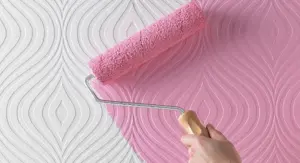
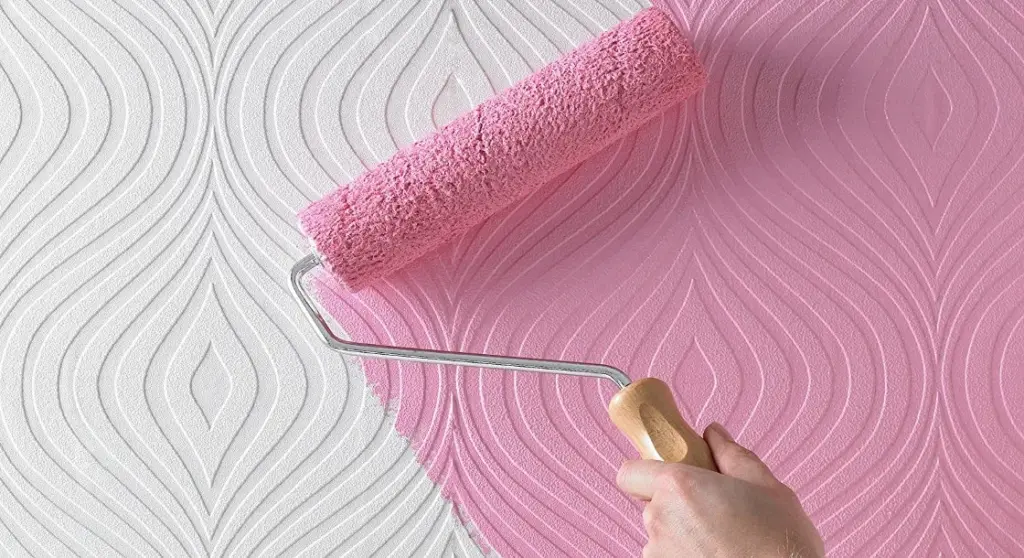
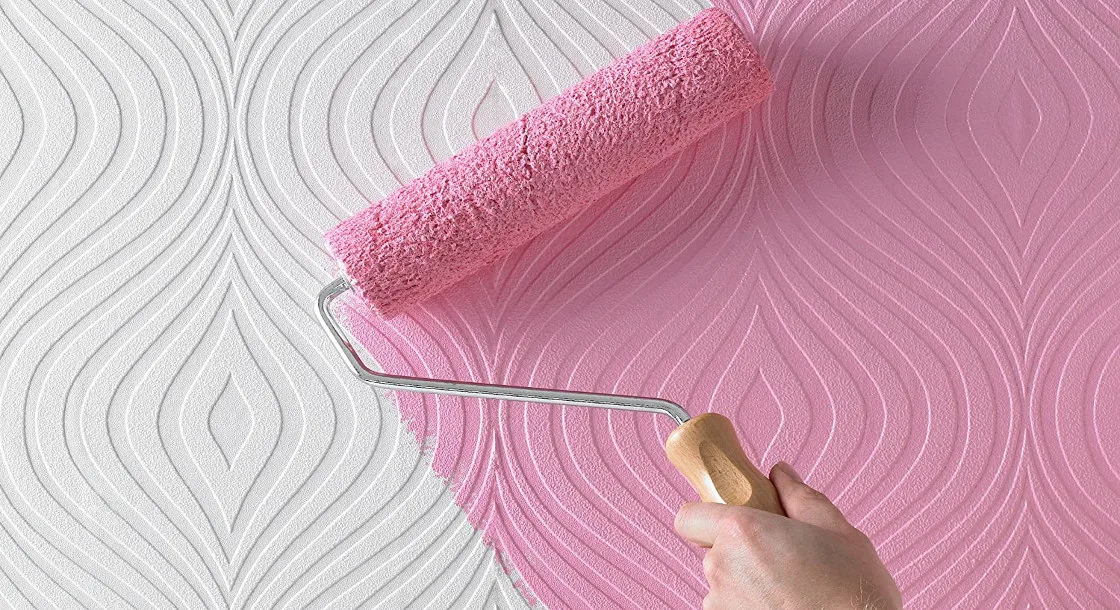
Beyond structural integrity, the surface profile of the wallpaper dictates the final visual outcome. Plain, flat wallpaper provides the most accommodating canvas for a coat of paint. However, patterned or textured varieties can also be painted over, provided the property owner is willing to accept that the underlying texture will remain visible beneath the new color scheme.
Preparing Wallpaper for Painting
Once a thorough inspection confirms that the wallpaper is in good condition, the preliminary preparation phase for painting is relatively straightforward compared to traditional wall stripping. Protecting surrounding woodwork, flooring, and fixtures with decorator’s masking tape is standard practice to ensure clean lines and prevent accidental splatters. Ensuring the surface is clean, dust-free, and dry is essential before advancing to the application stages.
Priming Wallpaper for Painting
Even when working with light-colored or unpatterned wallpaper, professionals strongly advise applying at least one dedicated coat of primer prior to the final topcoat. Priming serves a vital dual purpose: it creates a uniform surface that enhances the vibrancy and coverage of the chosen paint color, and it establishes a protective barrier.
A common mistake made by amateur decorators is selecting a water-based primer for this application. Water-based formulas can easily saturate the wallpaper, reactivating the old adhesive underneath and compromising the bond between the wall and the paper. To mitigate this risk, industry recommendations consistently point toward oil-based primers or specialized sealing products specifically engineered to prepare wallpapered surfaces for wet coatings. Applying one to two coats of an appropriate oil-based sealer—allowing ample drying time between applications—ensures a stable foundation for the topcoat.
How to Paint Over Wallpaper

With the priming phase successfully completed and fully cured, decorators can move forward with selecting their preferred topcoat paint color and finish. The painting process itself mirrors standard wall painting techniques, utilizing brushes for cutting in around edges and rollers for broader surfaces. Maintaining a consistent wet edge and applying thin, even coats helps prevent runs and sags, particularly over glossy or non-porous primers.
Problems With Painting on Top of Wallpaper
While careful planning and meticulous preparation generally yield a successful result, painting directly over wallpaper can occasionally present unique challenges. Anticipating these potential hurdles allows homeowners to address them proactively.
Gaps Between Wallpaper Strips
One of the most frequent issues encountered after painting over older wallpaper involves gaps between individual strips. As wallpaper dries and ages following its initial installation, it can occasionally shrink slightly, leaving thin, unsightly lines where the bare wall or old plaster peeks through. While this shrinkage does not automatically ruin the painting project, it does require deliberate remediation.
Assuming the remainder of the wallpaper is firmly affixed and structurally sound, standard wall filler can be utilized to bridge and conceal these narrow gaps. Professionals advise applying filler only after the primer coats have been completed and allowed to set fully. Once the filler has dried, it must be carefully and meticulously sanded back until it is perfectly flush with the surrounding paper surface. Because any raised filler will stand out starkly once the topcoat is applied, taking the necessary time to sand the area smooth is critical to achieving a professional, seamless finish.