When it comes to giving a room a fresh lease on life, homeowners frequently face a classic interior design dilemma: whether to strip old wallpaper or simply paint right over it. Choosing to paint over existing wallpaper is often championed as a significantly faster and less labour-intensive shortcut compared to the arduous process of steaming, scraping, stripping, and preparing bare walls underneath. However, industry experts and seasoned interior decorators emphasize that this seemingly simple DIY shortcut comes with several critical considerations and potential pitfalls that must be navigated carefully to avoid costly mistakes.
Before committing to a paintbrush and roller, homeowners are advised to thoroughly assess the current state and condition of their walls. The primary prerequisite for a successful paint job over wallpaper is that the paper must be in genuinely good condition, meaning it should be completely free from structural rips, deep tears, or extensive surface damage. If the existing wallpaper is severely compromised or worn out, professional advice almost always points toward stripping the material entirely and treating the bare walls instead.
A major warning sign that should deter anyone from painting is widespread peeling. Even if the wallpaper is not actively ripped, peeling in multiple areas strongly indicates that the original adhesive paste is losing its grip. This failure of the adhesive bond can stem from a variety of underlying issues, ranging from the use of inferior quality paste during the initial installation to moisture and dampness seeping through the walls over time. Attempting to seal failing wallpaper beneath layers of paint will usually only exacerbate the problem, causing the paper to bubble, buckle, and detach completely under the heavy moisture weight of the new coats.
There are, however, nuances to consider when minor imperfections arise. If the peeling is strictly localized to a single, isolated area, it may be entirely possible to remedy the situation before picking up a roller. Homeowners can carefully re-secure loose edges using targeted wallpaper paste, taking meticulous care to smooth out any trapped air bubbles. Crucially, any patched areas must be allowed to dry completely before any primers or paints are introduced to the surface.
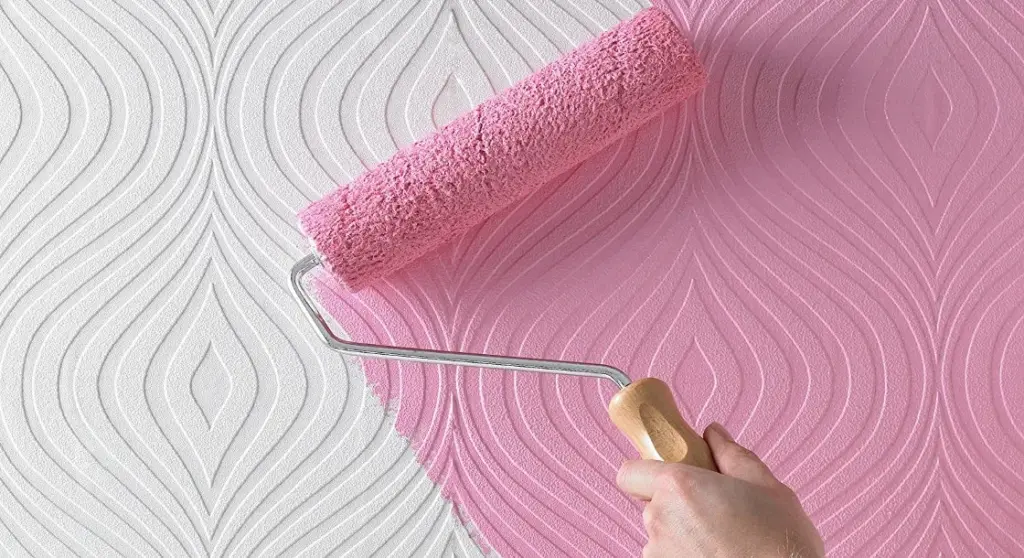
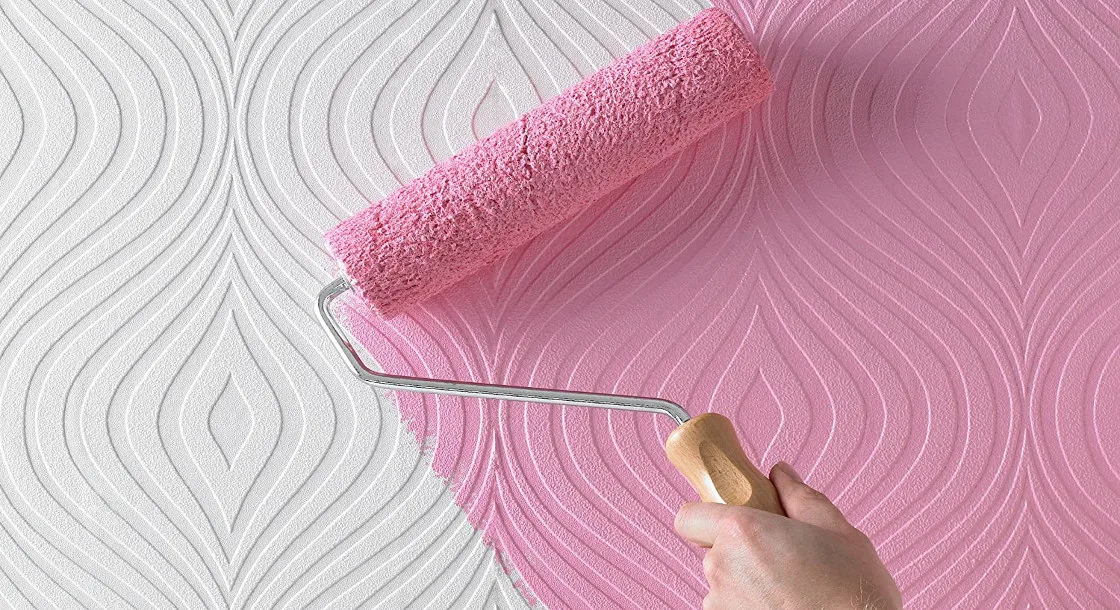
Surface texture also plays a substantial role in the final aesthetic outcome. Plain, flat wallpaper provides the most accommodating canvas for a smooth, modern painted finish. While it is technically possible to paint over textured and heavily patterned paper, homeowners must be prepared to accept that the underlying texture and embossing will remain clearly visible beneath the new paint layer.
Preparing Wallpaper for Painting
Assuming a thorough inspection confirms that the wallpaper is structurally sound, firmly adhered, and in good overall condition, the required preparation work before painting is surprisingly minimal compared to traditional wall stripping. Yet, skipping essential preliminary steps can severely compromise the final result.
With the room adequately prepared and protected, attention must turn to the crucial priming phase. Even when dealing with light-coloured or completely unpatterned wallpaper, applying at least one coat of primer is strongly recommended by professionals. A quality primer acts as a foundational barrier, ensuring a uniform, clean finish when the final topcoat is applied while also making the underlying paper much easier to cover.
A critical technical detail often overlooked by amateur decorators involves the choice of primer. Water-based primers carry a significant risk of soaking too deeply into the wallpaper, which can inadvertently reactivate and break down the integrity of the underlying paste. For this reason, experts consistently recommend utilizing an oil-based primer—such as dedicated all-in-one primer and sealer formulations—whenever painting directly over wallpapered surfaces. Applying at least one, and ideally two, thorough coats of an appropriate primer and allowing it to cure completely sets the stage for a lasting finish.
How to Paint Over Wallpaper
Once the primer has been applied and has dried thoroughly, homeowners can select their desired topcoat paint colour and finish to begin transforming the room. While the process appears straightforward, executing it with care ensures the longevity of the new surface.

Problems With Painting on Top of Wallpaper
Even when planning and preparation are executed with precision, unexpected challenges can occasionally arise when painting over wallpapered surfaces. Fortunately, most of these hurdles can be effectively avoided or successfully resolved with a small amount of remedial work.
One of the most common issues involves the appearance of thin gaps between individual strips of wallpaper. While correctly installed wallpaper should butt together seamlessly, the paper can occasionally shrink slightly as it dries out over time, leaving narrow fissures between the sheets. While this shrinkage is not an immediate dealbreaker for a painting project, it cannot simply be ignored.
Assuming the wallpaper remains firmly affixed to the wall overall, standard wall filler can be deployed to camouflage these gaps between sheets. Industry best practices dictate that this remedial filling should be performed strictly after the application and setting of the primer coats. Once the filler has completely cured, it must be meticulously sanded back until it is perfectly flush with the level of the surrounding paper. Because any raised filler will stand out starkly and detract from the finished appearance once painted over, taking the necessary time to achieve a smooth, level surface is essential for a professional-grade result.