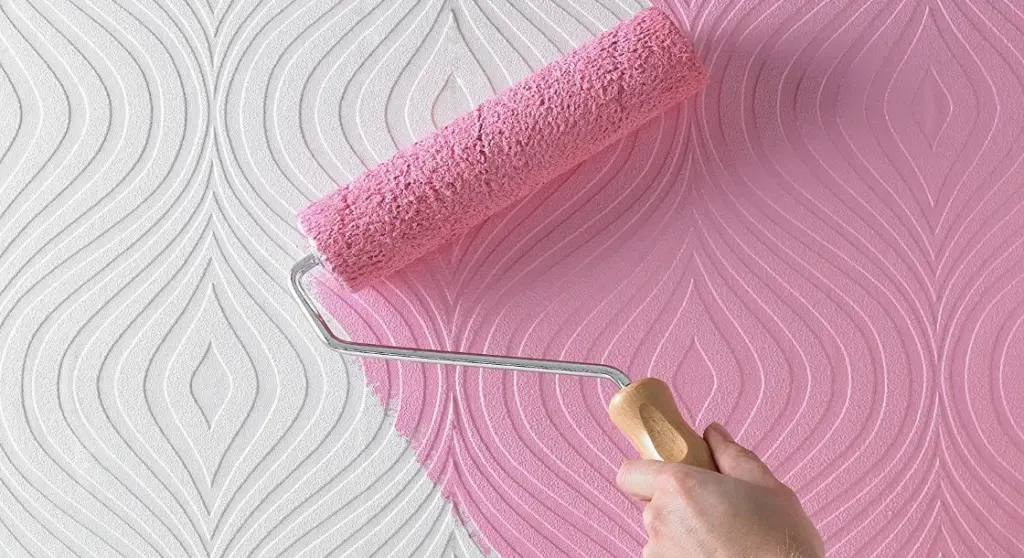
For homeowners seeking a fresh aesthetic without undertaking the arduous, time-consuming process of stripping old wall coverings, painting directly over wallpaper has long presented an appealing shortcut. By bypassing the labor-intensive removal phase, property owners can theoretically accelerate their room revamps. However, industry professionals and seasoned decorators caution that this seemingly straightforward technique requires careful evaluation, meticulous surface assessment, and strategic preparation to avoid costly and unsightly mistakes.
When evaluating a room for a potential paint-over project, the foundational rule among decorating experts is to thoroughly assess the current condition of the wallpaper. Ideally, the paper should be completely free from rips, tears, and widespread structural degradation. If the existing wall covering is significantly compromised, attempting to paint over it is generally ill-advised. In such cases, stripping the compromised material and preparing the bare wall beneath remains the superior, long-term solution.
Furthermore, homeowners must inspect for subtle signs of adhesive failure. Wallpaper that is peeling in multiple areas—even if the paper itself is not torn—signals that the original paste is losing its bond. This deterioration can stem from a variety of factors, including the use of low-quality adhesive during the initial installation or historical dampness within the room that has gradually broken down the paste. Painting over compromised adhesive invariably leads to bubbling, blistering, and eventual failure of the new paint coat.
Despite these challenges, minor localized issues do not necessarily rule out the technique. If peeling is strictly confined to a single, small area, decorators can often re-anchor the loose paper using fresh wallpaper paste prior to painting. This remedial step must be executed with precision, smoothing out potential air bubbles carefully and allowing the adhesive to cure completely before any primer or paint touches the surface.
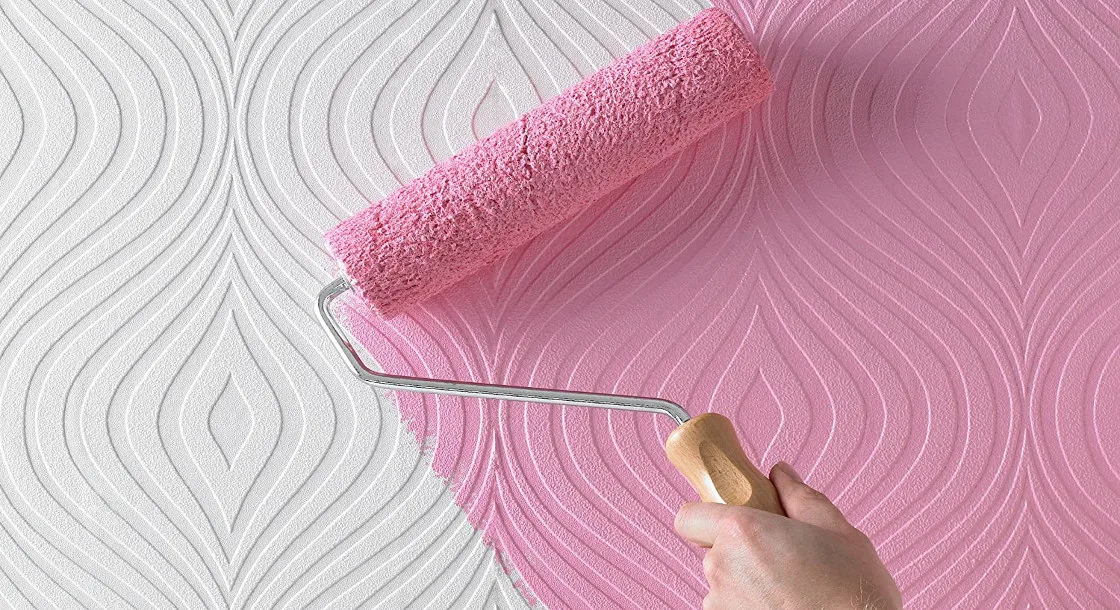
In terms of material compatibility, plain and flat wallpapers serve as the most suitable candidates for painting. Nevertheless, homeowners can also successfully coat textured or patterned papers, provided they are comfortable with the underlying texture remaining visibly prominent beneath the fresh coats of paint.
Assuming the preliminary inspection confirms the wallpaper is stable and sound, the actual preparation phase for painting is relatively straightforward, though skipping critical steps can ruin the final finish. Professional decorators emphasize that even when working with light-coloured or unpatterned paper, applying a dedicated primer is a non-negotiable step. Primer ensures a clean, uniform finish when the topcoat is finally applied and significantly improves the overall coverage of the paper.
However, the choice of primer requires careful consideration. Experts strongly advise against using water-based primers for this specific application. Water-based formulas can penetrate too deeply into the wallpaper, rewetting the underlying paper and ultimately compromising the integrity of the original paste. Instead, professionals recommend utilizing an oil-based primer or specialized sealers, such as the widely recognized Zinsser all-in-one primer and sealer, to properly prepare the surface without risking moisture damage. Applying at least one—and ideally two—thorough coats of an appropriate primer, followed by complete drying times, sets the necessary foundation for a successful topcoat application.
Once the priming phase is complete and thoroughly dry, homeowners can select their desired topcoat paint colour and proceed with the transformation. Yet, even with meticulous planning and execution, certain challenges can occasionally arise during or after the painting process.

One of the more common issues encountered by DIY decorators involves the appearance of gaps between individual wallpaper strips. While properly installed wallpaper should fit seamlessly, the natural drying process of pasted paper can sometimes cause slight shrinkage over time, resulting in thin gaps between the sheets. While this occurrence is far from a project-ending disaster, it demands specific corrective action before the renovation can be considered complete.
Providing the wallpaper remains firmly affixed and structurally sound elsewhere, decorators can utilize standard wall filler to conceal the gaps between the sheets. Industry best practices dictate that this remedial filling should occur after the application of the primer coats. Once the filler has set, it must be carefully and meticulously sanded back until it is perfectly level with the surrounding paper surface. Because any raised filler will stand out starkly and create an obvious blemish once the final topcoat is applied, dedicating sufficient time and care to this sanding process is essential for achieving a professional, seamless aesthetic.