As the colder winter months approach, households across the country are once again bracing for plummeting temperatures and the inevitable spike in heating costs. For many homeowners, the battle against drafty rooms and biting cold begins not in the living spaces, but directly overhead. Industry experts and consumer watchdogs are increasingly pointing to proper loft insulation as one of the most effective, foundational measures a household can take to dramatically reduce heat loss, maintain a consistently warm and cozy indoor environment, and slash escalating energy bills.
Despite the proven financial and environmental benefits, navigating the vast array of available insulation materials can often feel overwhelming for property owners. Older homes, in particular, are frequently prone to severe thermal inefficiency due to inadequate or aging materials in the attic space. Without proper thermal barriers installed in the roof space, a significant portion of a home’s generated heat simply escapes straight up and out into the atmosphere. Addressing this vulnerability not only enhances day-to-day comfort for families but also serves as a critical step in lowering a household’s overall carbon footprint.
To help property owners understand the choices available, industry specialists categorize loft insulation into several primary material types, each suited to different architectural needs, budget considerations, and installation environments.
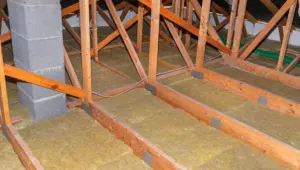
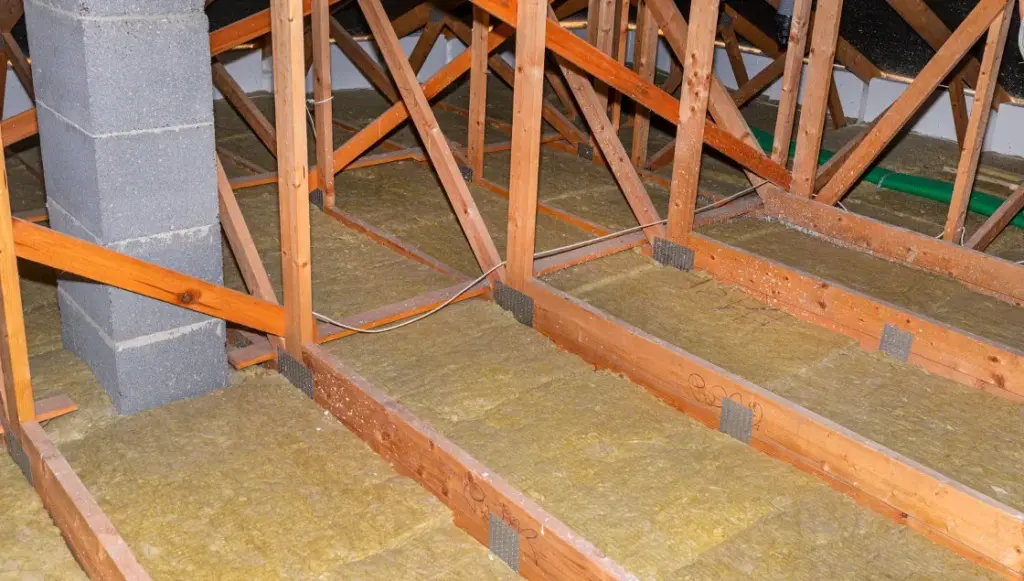
Blanket loft insulation remains the most common and widely recognized solution on the market. Typically supplied in flexible rolls designed to fit standard joist spacing, blanket insulation offers an economical approach to thermal upgrading. These products are manufactured from a wide variety of materials, including traditional glass wool as well as various sustainable and recycled options, and are produced in multiple widths and depths to accommodate different structural specifications.

For consumers prioritizing environmental sustainability and installation comfort, recycled or natural blanket insulation presents an appealing alternative. While generally carrying a higher price point than conventional materials, these natural alternatives often provide superior thermal performance within a thinner profile. Furthermore, they are celebrated for being considerably more user-friendly during the installation process, avoiding the typical skin irritation and respiratory discomfort associated with handling standard glass-fibre materials. Property owners opting for these products must still verify specific technical guidelines to ensure the correct depth is achieved.
When dealing with awkwardly shaped attic spaces, tight footprints, or difficult access restrictions, loose-fill loft insulation is frequently deployed as a practical alternative to rolled blankets. Delivered in manageable bags that are often easier to transport through narrow roof hatches than bulky rolls, loose-fill materials can be poured directly into cavities. Like their blanket counterparts, loose-fill products are available in traditional formats as well as eco-friendly variations, such as those manufactured from recycled paper products.
Another prominent option is slab or rigid-board insulation. Functionally similar to blanket materials, rigid boards are supplied in dense, large slabs rather than flexible rolls and come in various widths tailored to standard joist gaps. High-density variants are also available on the market, offering the added advantage of improved sound insulation alongside thermal retention.
Before purchasing materials, industry guidelines stress the importance of thoroughly measuring the loft space to calculate exact requirements. Homeowners must determine the total square footage by multiplying the length and width of the attic floor. Additionally, measuring the depth of any existing insulation is critical. Current building recommendations typically advise a target depth of between 250mm and 270mm. If existing layers fall short of this standard, supplementing the material is necessary to achieve optimal thermal efficiency.
When undertaking the installation of blanket or slab insulation, safety and preparation are paramount. Professionals recommend clearing out accumulated dirt and debris from between the joists prior to laying materials. Depending on the condition of the ceiling plasterboard, particularly if it lacks a modern silver-backed foil finish, installing a dedicated vapour barrier is strongly advised to manage moisture. Vapour barriers are typically rolled out between joists, cut to size, and stapled along the inside edges of the structural timbers, with careful adjustments made to accommodate pre-existing pipework and electrical cables.
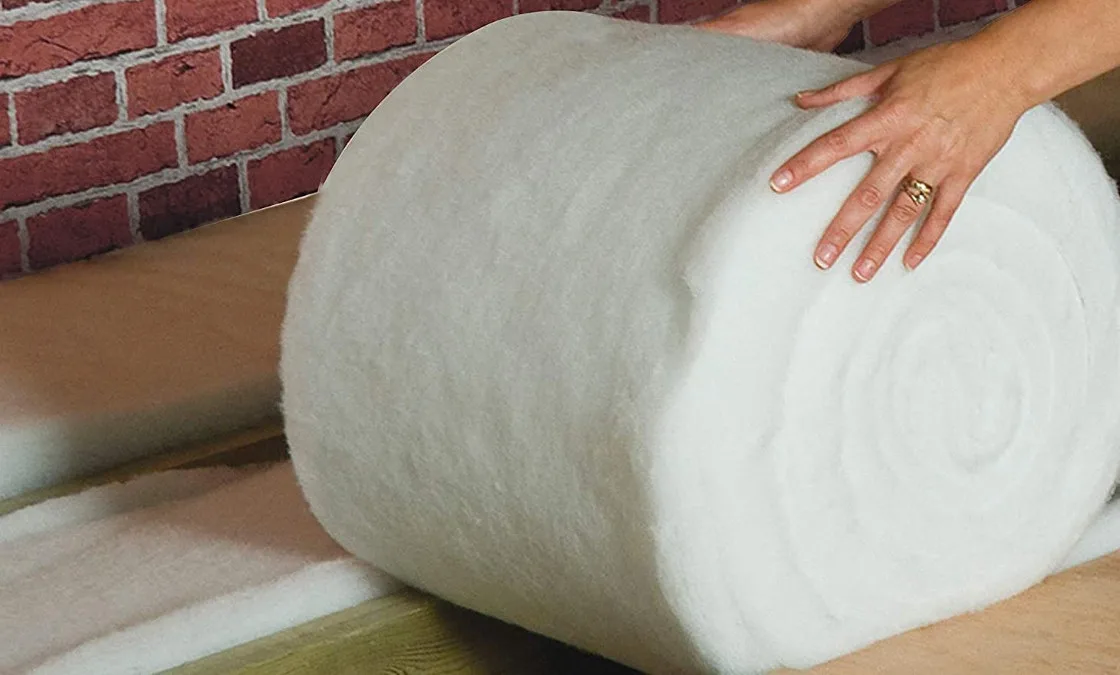
When handling blanket insulation, workers are advised to wear appropriate protective gear, including gloves, eye protection, and masks, and to keep rolls wrapped in their protective plastic packaging until they are safely positioned inside the attic to prevent fibers from spreading through the living quarters. The material is then unrolled gently between the joists, taking care to avoid over-compression, which can diminish its thermal properties. Special care must be taken around electrical fittings, which require adequate clearance to prevent overheating, while loose electrical cables running along the joist gaps should be safely lifted and laid on top of the finished insulation blanket.
Installing loose-fill insulation involves a different set of preparatory steps. After cleaning the joist gaps and installing a vapour barrier where necessary, installers typically create a small perimeter barrier using strips of blanket insulation around the eaves of the roof. This prevents the loose material from shifting into narrow roof ventilation gaps. The loose-fill material is then poured carefully between the joists and leveled across the space using a straight-edged board. Because loose-fill material cannot simply be cut around electrical fixtures like blanket insulation, safety enclosures—such as small wooden frames or thick cardboard sleeves—must be constructed around light fittings to hold the material back safely. Deep-filling loose-fill insulation can completely obscure the joists, making the attic space unusable for storage unless specialized raised decking or boarding is subsequently installed.
Despite the clear benefits, property owners must remain vigilant about common issues that can arise following insulation upgrades. Condensation buildup is one of the most frequently reported problems, typically occurring when an attic space lacks adequate ventilation. To counteract this, homeowners must ensure continuous airflow through the installation of appropriate roof vents or by maintaining a small, strategic gap between the insulation layer and the roof deck. Similarly, preventing drafts requires meticulous sealing of any remaining gaps using specialized foam sealants and protective sheeting.
Routine maintenance and upkeep further safeguard the longevity of loft insulation systems. Regular inspections allow homeowners to check for accidental damage, shifting materials, or early signs of dampness and mold, preserving the structural integrity of the roof space and the efficiency of the thermal barrier.
The financial justifications for undertaking loft insulation are substantial. According to data from the Energy Saving Trust, upgrading an uninsulated loft to the recommended depth of 270mm can save households up to £590 per year on their energy bills. While the initial capital outlay varies depending on the chosen materials and whether a homeowner decides on a DIY approach or professional installation, the long-term economic returns and environmental advantages cement loft insulation as a cornerstone of residential energy efficiency.