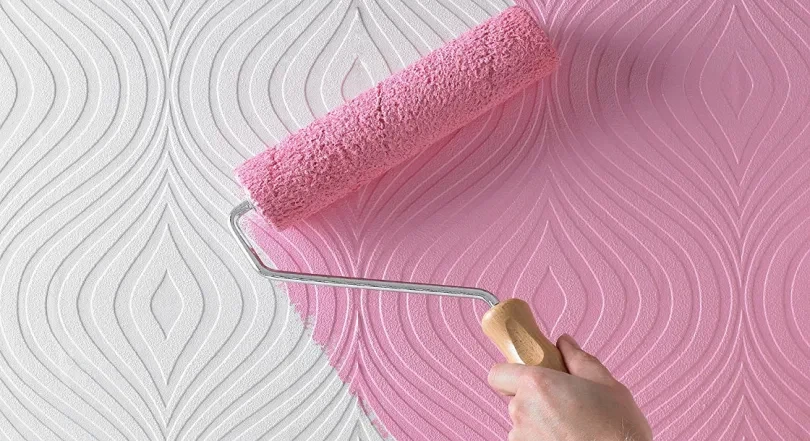
Choosing to paint over wallpaper has long been considered a tempting shortcut for homeowners looking to revamp a living space. Rather than enduring the labor-intensive process of stripping old paper, preparing bare plaster, and subsequently painting, applying a fresh coat of paint directly over existing wallpaper can significantly cut down on project time. However, industry experts and interior renovation specialists caution that this approach requires careful evaluation, as several potential pitfalls can compromise the final aesthetic and longevity of the finish.
Before deciding to pick up a roller and commit to painting over wallpaper, homeowners must conduct a thorough inspection of the walls. The primary prerequisite is that the existing wallpaper must be in sound condition, completely free from major rips, tears, or structural damage. If the paper is severely compromised, worn, or heavily damaged, professionals strongly advise stripping it entirely and painting the bare wall instead.
Furthermore, painting over wallpaper that is actively peeling in multiple locations is ill-advised, even if the paper itself is not torn. Widespread peeling typically indicates that the adhesive paste beneath the surface is failing. This failure can stem from a variety of factors, ranging from the use of low-quality paste during the original installation to moisture issues or dampness within the room that has gradually broken down the adhesive bond.
In situations where peeling is strictly localized to a single, isolated area, remedial action may be possible. Homeowners can attempt to carefully re-stick the loose section using dedicated wallpaper paste before initiating any painting projects. When performing this minor repair, it is crucial to apply the paste evenly to avoid trapping air bubbles beneath the paper and to allow the area to dry completely before proceeding with primers or topcoats.
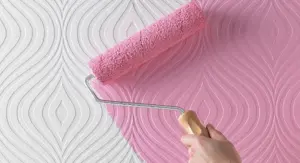
When considering wallpaper types, plain and flat surfaces are universally recognized as the most suitable candidates for painting. Nevertheless, it is entirely possible to paint over textured or patterned paper, provided the homeowner is comfortable with the underlying texture remaining visible through the new paint layers.
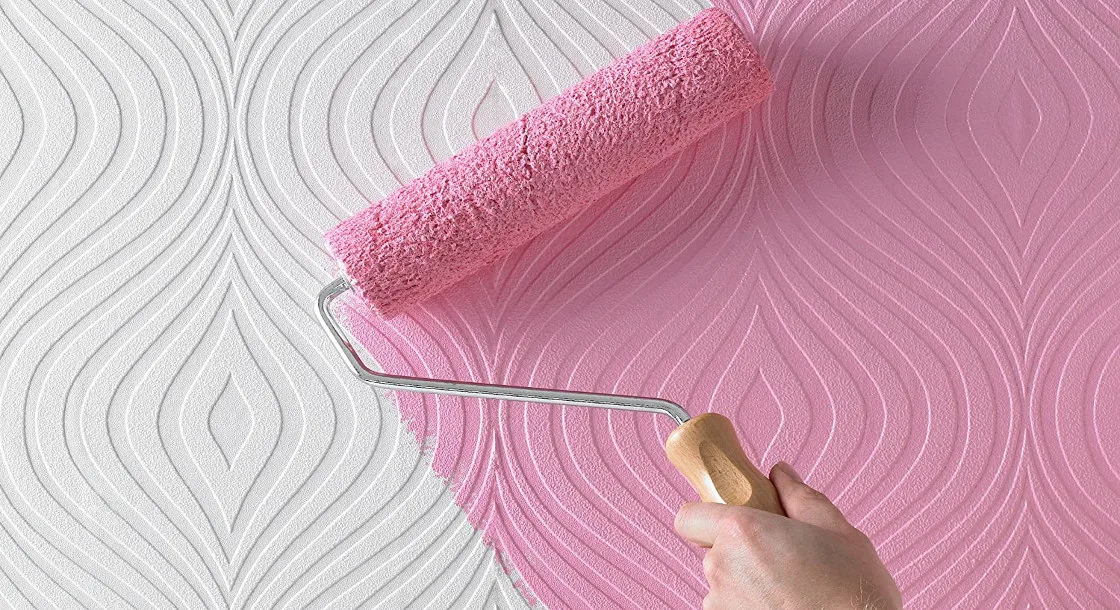
Preparing Wallpaper for Painting
Assuming a thorough inspection confirms that the wallpaper is in good condition, the preliminary preparation required before painting is relatively straightforward compared to full wallpaper removal. The focus shifts from heavy scraping and wall repair to surface cleansing, minor patching, and protecting surrounding woodwork and fixtures. Ensuring the room is properly prepared sets the foundation for a clean and professional-looking application.
Once the initial room preparation is complete and any minor surface anomalies have been addressed, attention must turn to priming the walls properly before introducing the final color scheme.
Priming Wallpaper for Painting
Even when working with light-coloured or unpatterned wallpaper, applying at least one coat of primer is strongly recommended by decorating professionals. A quality primer serves a dual purpose: it helps achieve a clean, uniform finish when the topcoat is finally applied, and it makes the underlying paper much easier to cover completely.
A critical technical consideration during this phase involves the choice of primer. Water-based primers have a tendency to soak excessively into the wallpaper, introducing moisture that can reactivate the underlying paste and compromise its adhesion. To prevent bubbling, lifting, or peeling during the painting process, experts consistently recommend using an oil-based primer instead. Specialized all-in-one primer and sealer products are widely available and represent an effective choice for stabilizing wallpaper surfaces prior to painting.
Homeowners should apply at least one, but ideally two, thorough coats of primer, ensuring adequate drying time between applications. The primer must be allowed to set completely before any further work on the room continues.

How to Paint Over Wallpaper
With the primer fully dried and cured, homeowners are free to select their preferred topcoat paint color and begin the transformation of the wallpapered room. Using standard painting techniques with brushes and rollers, the topcoat should be applied systematically across the primed surface, maintaining a wet edge to ensure an even distribution of color and sheen.
Problems With Painting on Top of Wallpaper
While careful planning and meticulous preparation generally allow for a successful painting project over existing wallpaper, certain issues can still arise during or after the process. Fortunately, most of these challenges can be effectively avoided or corrected with a modest amount of additional effort.
Gaps Between Wallpaper Strips
Under ideal circumstances, wallpaper is installed with tight, flush seams. However, as wallpaper dries completely following its initial application, it can occasionally experience minor shrinkage, leaving thin gaps between adjacent strips. While this occurrence is not an immediate dealbreaker for a painting project, it cannot be ignored, as paint will highlight the separation lines.
Assuming the wallpaper remains firmly affixed and structurally sound overall, standard wall filler can be utilized to camouflage the gaps between sheets. Decorators advise performing this corrective step after the priming coats have been applied. Once the primer has fully set, any applied filler must be carefully sanded back until it is perfectly flush and level with the surrounding paper. Because any raised filler will stand out prominently once painted over, taking the time to sand the surface smooth is essential for a professional result.