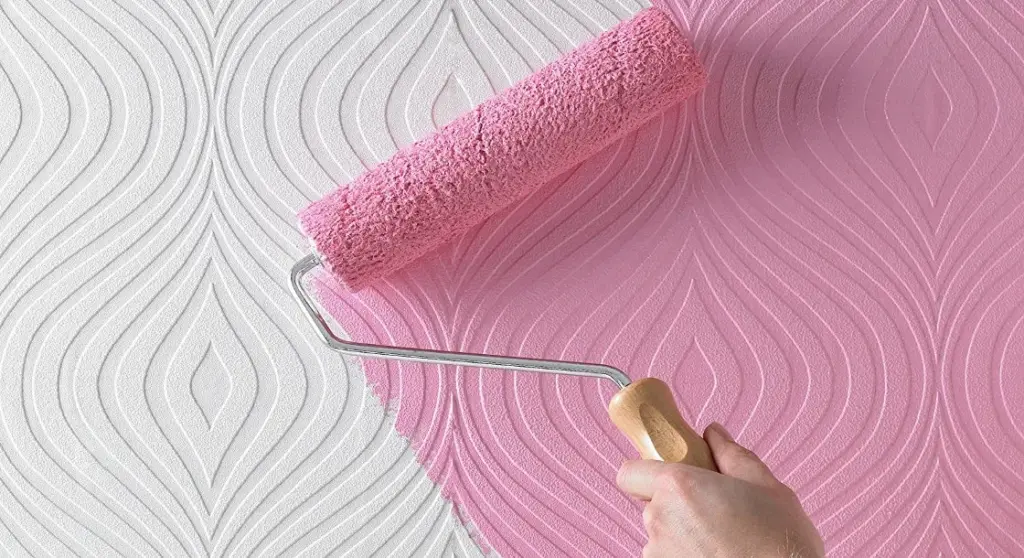
For homeowners looking to revitalize a living space, painting directly over existing wallpaper is frequently marketed as a fast-track alternative to the notoriously tedious process of stripping paper, scraping glue, and prepping bare drywall. While this shortcut can save significant time and physical effort, experts and seasoned decorators emphasize that it is far from a universal fix. Achieving a professional, long-lasting finish requires careful evaluation of the wallpaper’s current condition, proper priming techniques, and a proactive approach to potential surface imperfections.
Before committing to a paintbrush, the primary step involves a thorough assessment of the wallpaper already on the walls. Ideally, the paper should be in robust, stable condition, completely free from major rips, tears, or extensive damage. When wallpaper is significantly degraded, torn, or battered, attempting to paint over it usually results in a disappointing aesthetic and structural failure. In such cases, professional consensus dictates that stripping the compromised material and painting the bare wall remains the superior path forward.
Furthermore, evaluating the adhesion of the underlying paste is critical. Wallpaper that is peeling in multiple areas—even if the paper itself is not torn—signals that the original adhesive is failing. This loss of bond can stem from several factors, including low-quality paste used during the initial installation or ongoing moisture issues within the room. Painting over compromised adhesive only seals in the problem, leading to bubbling, further peeling, and eventual failure of the new paint coats.
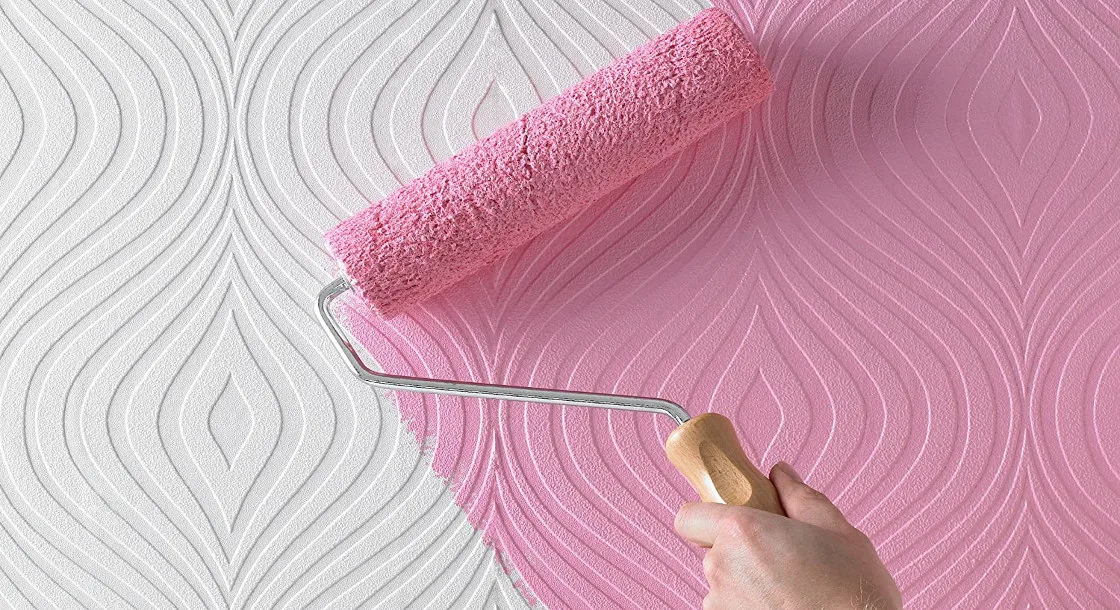
However, if peeling is strictly localized to a small, isolated area, decorators may be able to salvage the situation by carefully re-securing the loose section with fresh wallpaper paste. When executing minor repairs, caution must be exercised to smooth out air bubbles completely, and the repaired area must be allowed to dry fully before any painting begins. Regarding wall patterns and textures, plain, flat wallpaper provides the most straightforward canvas for painting. Textured and heavily patterned papers can still be painted over successfully, provided the homeowner is comfortable with the underlying texture remaining visible through the new coats of paint.
Preparing Wallpaper for Painting
Assuming a thorough inspection confirms that the wallpaper is structurally sound, clean, and firmly adhered, the preparatory phase for painting is relatively straightforward. Room preparation follows standard interior painting protocols, ensuring adjacent surfaces, flooring, and furniture are adequately protected before any liquids are applied. With the workspace properly secured and masked off, attention shifts directly to priming the surface.
Priming Wallpaper for Painting
Even when working with light-coloured or unpatterned wallpaper, applying a dedicated coat of primer is widely considered essential by decorating professionals. A quality primer establishes a uniform base, enhances the opacity and coverage of the chosen topcoat, and ensures a clean, professional-looking final result.
A critical technical consideration when priming wallpaper involves the choice of primer base. Water-based primers can sometimes penetrate too deeply into the wallpaper material, potentially rehydrating the old paste underneath and compromising the paper’s adhesion to the wall. To mitigate this risk, professionals generally recommend utilizing an oil-based primer or specific solvent-based sealing products designed to lock down the surface safely. Products such as the Zinsser all-in-one primer and sealer are frequently utilized by DIY enthusiasts and tradespeople alike for this specific application. Decorators are typically advised to apply at least one, and ideally two, thorough coats of primer, ensuring each layer dries completely before introducing the final topcoat.
How to Paint Over Wallpaper
Once the primer has cured completely, homeowners can move forward with selecting their desired topcoat paint color and finish. The application process mirrors standard wall painting techniques, relying on quality rollers and brushes to achieve an even distribution of color across the primed wallpaper surface. Working methodically across the room ensures consistent coverage, hiding the previous wall aesthetic beneath a fresh, modern coat.

Problems With Painting on Top of Wallpaper
While proper planning and meticulous preparation generally yield a successful outcome, painting over wallpaper can occasionally present specific challenges. Fortunately, most of these issues can be successfully resolved or mitigated with targeted corrective work.
One common issue arises from natural material behavior after the initial wallpaper installation. As wallpaper dries following paste application, it can occasionally shrink slightly, leaving thin, hairline gaps between adjacent strips. While these gaps do not automatically derail a painting project, they must be addressed to maintain a polished appearance.
Assuming the wallpaper is otherwise secure and firmly affixed to the substrate, standard wall filler can be employed to bridge the gaps between sheets. Industry best practices recommend performing this corrective step after the primer coats have been applied. Once the filler has fully set, it must be meticulously sanded back until it is perfectly flush with the surrounding paper surface. Because any raised filler will stand out prominently once painted over, taking the necessary time to sand the repaired areas smooth is vital to achieving a seamless, professional finish.