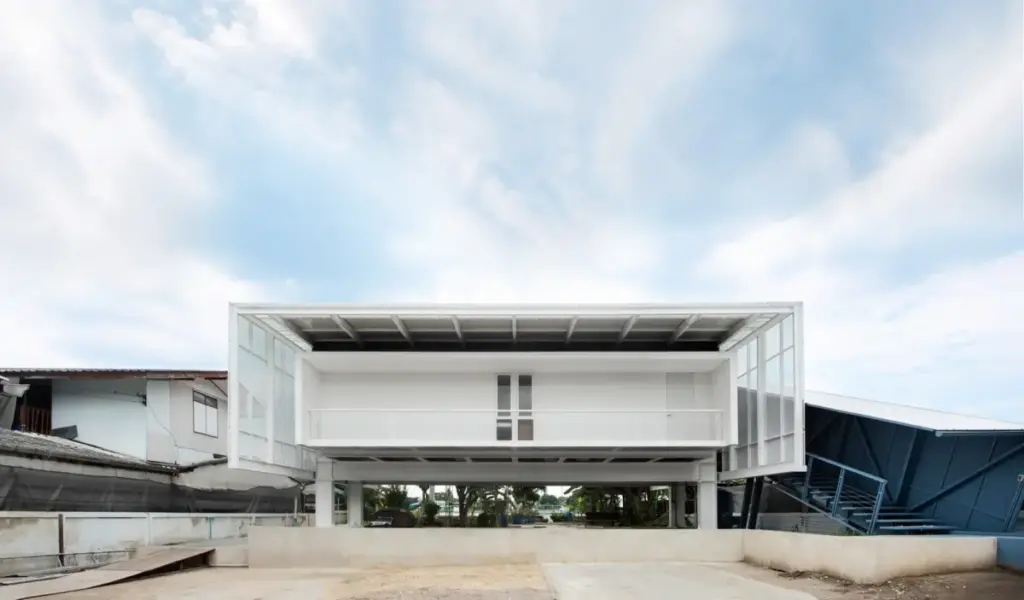
Architecture often looks to the future by completely erasing the past, wiping clean the canvas of a plot to make way for the brand-new. Yet, some of the most compelling modern designs choose a different path—one that embraces the echoes of what came before, weaving industrial heritage and personal memory into a contemporary spatial experience. This philosophy defines the Mahachai Residence, a striking new riverside project designed by Patara Architects along the banks of the Tha Chin River in Thailand.
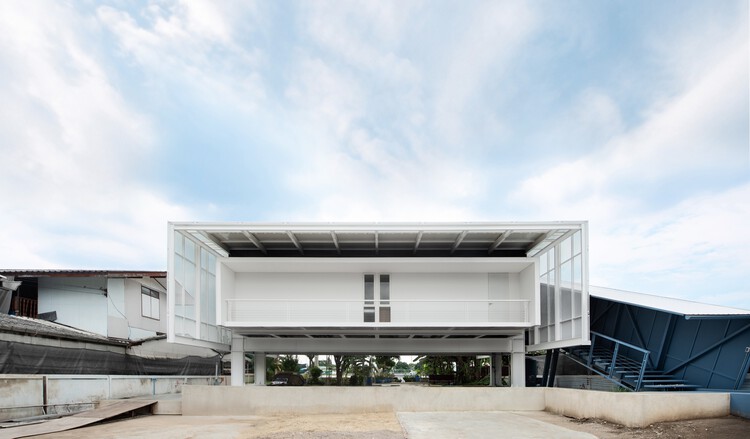
Positioned on a picturesque plot that once served as a working boat-repair warehouse owned by the family, the residence avoids the temptation to completely reinvent the land. Instead, Patara Architects approached the commission with a deep respect for the site’s industrial roots, transforming a piece of maritime history into a tranquil, day-use domestic sanctuary. The result is a thoughtfully crafted architectural retreat where the owner can escape the bustle of daily life, rest, take in sweeping views of the river, and watch the water turn gold under the glow of the setting sun, all while quietly carrying forward the memory of the property’s working past into its core structure and materiality.
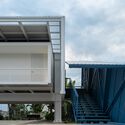
The conceptual foundation of the Mahachai Residence rests on the duality of rest and labor, permanence and transition. Historically, the Tha Chin River waterfront was a zone of heavy activity—a place of mechanical clatter, wooden hulls, grease, and the steady rhythm of boat maintenance. Patara Architects channeled this heritage through an honest expression of materials, utilizing a robust palette that includes exposed steel, expansive glass, natural wood, and textural concrete. Rather than hiding the rugged qualities associated with waterfront industrial structures, the design elevates them, refining structural steel elements and pairing them with warm timber finishes to bridge the gap between the site’s utilitarian history and contemporary residential luxury.

As a day-use villa, the residence is meticulously planned to maximize the sensory experience of its natural surroundings throughout daylight hours. The spatial layout is deliberately porous, encouraging a continuous dialogue between the indoor living zones and the expansive river landscape. Floor-to-ceiling glass panels dissolve the physical boundaries between interior and exterior spaces, allowing natural light to flood the rooms and casting shifting shadows throughout the day. These transparent surfaces offer unobstructed vantage points of the Tha Chin River, turning the daily flow of water and the passing of boats into living, dynamic artwork for the inhabitants.
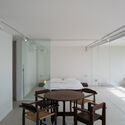
Circulation through the villa is designed to feel like a deliberate promenade through light, texture, and memory. Interior architectural features, such as meticulously detailed staircases and transitional terraces, orchestrate how visitors move through the volume of the house. A prominent wooden and steel staircase acts as a central sculptural anchor, connecting different levels while showcasing the craftsmanship that defines the collaboration between Patara Architects and the structural trades. Meanwhile, upper-level terraces and outdoor lounging zones extend the living footprint into the open air, providing elevated platforms to experience the cooling river breezes and the dramatic colors of the evening sky.
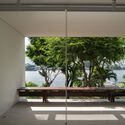
The integration of wood throughout the interior spaces introduces a grounding, tactile warmth that counters the sleek precision of the steel and glass framework. Custom joinery, floor finishes, and architectural accents pay subtle homage to the timber-working heritage of the original boat-repair warehouse, tying the contemporary furniture and structural elements back to the site’s narrative roots. This balance of materials ensures that the villa never feels cold or overly clinical; instead, it maintains an inviting, intimate ambiance tailored specifically for quiet contemplation and rest.
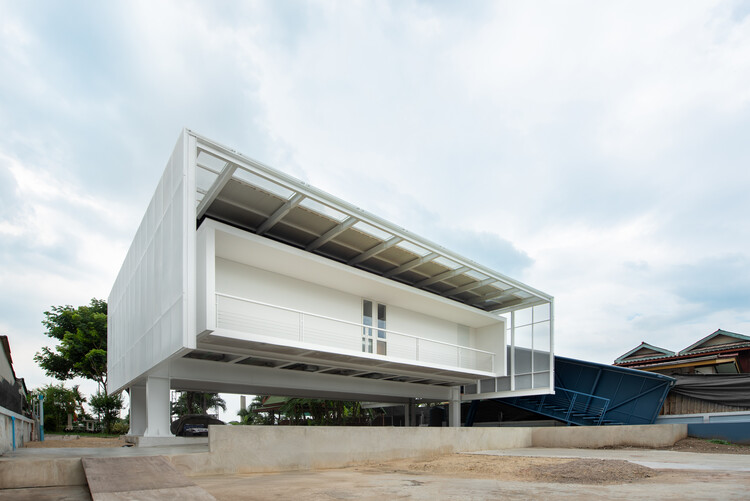
Captured through the lens of architectural photographers like tacophoto.bkk, the Mahachai Residence reveals a sophisticated interplay of reflections, structural geometry, and natural elements. The exterior facade responds dynamically to the changing conditions of the riverfront, with overhangs and shaded terraces providing necessary climate control against the tropical sun while maintaining open sightlines to the water. At dusk, the interior illumination transforms the house into a warm lantern glowing softly against the darkening expanse of the Tha Chin River, marking the culmination of a day spent immersed in the landscape.

Through the Mahachai Residence, Patara Architects has successfully demonstrated how contemporary residential design can honor industrial heritage without falling into mere replication. By transforming a former boat-repair yard into a refined riverside haven, the practice has created a piece of architecture that not only serves as a functional day-use retreat for its owner but also preserves the intangible spirit of the Tha Chin waterfront for years to come.