The global art market and the institutional world are currently in a state of dynamic flux, marked by high-profile divestments, dramatic thefts, and significant shifts in leadership across major cultural hubs. From the personal vaults of contemporary masters to the quiet halls of world-class museums, the following report synthesizes the most consequential developments currently shaping the art landscape.
In the Spotlight: Market Shifts and High-Profile Heists
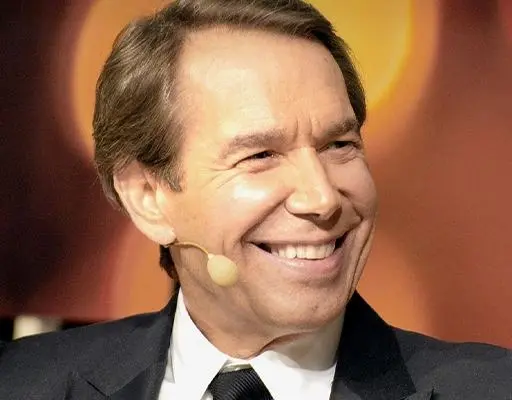
In a move that has sent ripples through the collector class, Jeff Koons, one of the most recognizable and commercially successful artists of the 21st century, is preparing to offload a substantial portion of his personal art collection. With a valuation reaching approximately $100 million, the trove is slated to be offered at Christie’s this fall. The collection is reflective of Koons’s own eclectic and sophisticated tastes, built largely during a prolific buying spree in the late 2000s. It features a diverse range of works, spanning from the delicate precision of Dutch Golden Age masterpieces to significant paintings by titans of modern art, including Pablo Picasso and Édouard Manet. For Koons, the sale represents more than just a financial transaction; it serves as a public recalibration of a personal archive that has long been kept away from the spotlight.
While Koons is choosing to part with his works, other treasures are being forcibly removed from public and private view. In a shocking development in France, thieves have successfully executed an audacious art heist, making off with a 330-pound bronze book cover designed by the surrealist icon Salvador Dalí. The piece, titled "Livre de l’Apocalypse," is far from a standard decorative object. It stands as a monumental collaborative masterpiece, involving the creative input of 14 distinct artists and writers. Due to its sheer materiality and the prestige of its contributors, it is widely considered one of the heaviest and most expensive books ever created. Authorities are currently investigating the theft, which has reignited conversations regarding the security of rare, high-value art objects in the European circuit.
Meanwhile, the intersection of pop culture and high art continues to yield surprising results at the institutional level. The San Francisco Museum of Modern Art (SFMoMA) has become the site of a blockbuster cultural phenomenon following the curatorial debut of K-pop superstar RM of the group BTS. The exhibition, which highlights his personal collection of Korean art, has drawn immense public interest, with 50,000 tickets already reserved. The turnout underscores a growing trend in museums seeking to bridge the gap between global pop culture and traditional art appreciation, successfully leveraging the immense influence of celebrity collectors to introduce new audiences to the nuances of Korean art history.
Museums and Galleries: Expansion, Research, and Leadership
The institutional sector is seeing a wave of strategic growth and structural reorganization. European museums are deepening their collaborative ties, with Amsterdam’s Rijksmuseum and Madrid’s Museo Nacional del Prado announcing a significant research partnership. This alliance is designed to critically examine and highlight the often-overlooked role of women in art and history. The partnership is ambitious in scope, promising a dedicated fellowship program and a major exhibition currently slated for 2029, which aims to provide a more inclusive narrative of European cultural heritage.
In London, the architectural legacy of Zaha Hadid is being revitalized. The Zaha Hadid Foundation (ZHF) has announced that it will open a new arts space in the late architect’s former headquarters. Set to welcome the public on October 29, the space is intended to serve as a hub for architectural discourse and cultural engagement, ensuring that Hadid’s creative spirit remains embedded in the city’s urban fabric.
Financial support for the arts remains a vital catalyst for institutional development. The Phoenix Art Museum in Arizona has received a transformative $5 million donation from philanthropist Sukumar Nagendran. The funds are earmarked for the expansion of the museum’s Sri Lankan and South Asian art galleries, a move that will significantly bolster the representation of these regions within the museum’s permanent collection and provide more expansive opportunities for scholarly research and public education.
Leadership transitions are also defining the current month. The Louvre Abu Dhabi has appointed Souraya Noujaim as its new director. Noujaim is a familiar face within the institution, having previously served as the museum’s scientific, curatorial, and collections management director. Her internal promotion suggests a desire for continuity and stability as the museum continues to cement its reputation as a premier cultural destination in the Middle East. Similarly, in Hong Kong, Philip Tinari has been named the director of Tai Kwun Arts. Tinari, who had been serving as the organization’s "head of art" since January, will now step into the lead role, tasked with steering one of Hong Kong’s most significant contemporary art centers through its next chapter.
Auctions and Market Anomalies
The volatility of the art market continues to produce stories of staggering return on investment, often found in the most unlikely of places. A recent auction in the United States highlights the unpredictable nature of estate sales. A painting by the American artist Gertrude Abercrombie, which had been purchased for a mere $30 only months prior, recently became the center of a fierce bidding war. The work eventually sold for $1.35 million. Auction house representatives noted that the buyer, who discovered the piece at an estate sale in Kalamazoo, Michigan, effectively saved the work from being permanently lost to history—a sentiment that resonates with collectors who treat the discovery of "hidden" works as the ultimate pursuit.
Fairs and Biennials: The 2027 New Museum Triennial
Looking ahead to the future of exhibition culture, the New Museum has unveiled the list of artists selected for its 2027 Triennial. The upcoming edition will feature 36 artists and collectives hailing from 34 different nations. Organizers have described this as the most internationally focused edition in the history of the event, signaling a concerted effort to move away from Western-centric programming and toward a truly global dialogue. By incorporating a wide array of perspectives and geographic origins, the Triennial aims to provide a comprehensive snapshot of the contemporary issues and aesthetic movements that are currently defining the international art scene.
As these events unfold, they reflect a broader reality of the art world: a space where the commercial value of a masterpiece, the security of a historic artifact, and the mission of an institution are constantly shifting. Whether through the record-breaking sales of private collections or the quiet, steady work of museums looking to diversify their narratives, the global art community remains as active and consequential as ever.