The dual convergence of Frieze Seoul and Kiaf (Korea International Art Fair) in early September 2026 has once again underscored the rapid maturation of the South Korean art market. Marking the fifth and 25th editions of these respective pillars of the local scene, this year’s events moved beyond the initial excitement of international integration to showcase a deeper, more rooted domestic ecosystem. Sales data from the week indicate a robust market that is increasingly propelled by the rising global profile of Korean artists, supported by a healthy domestic economy and a thriving institutional landscape.
Korean Artists Reach New Heights in Sales
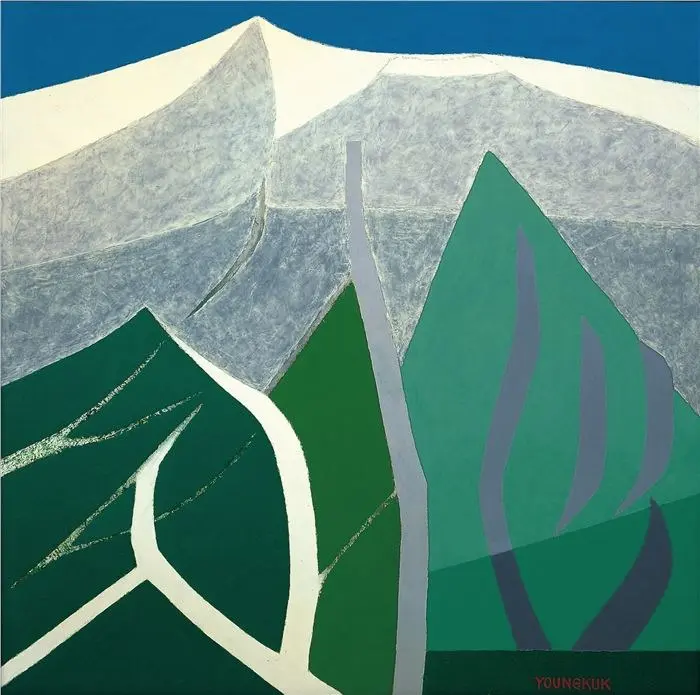
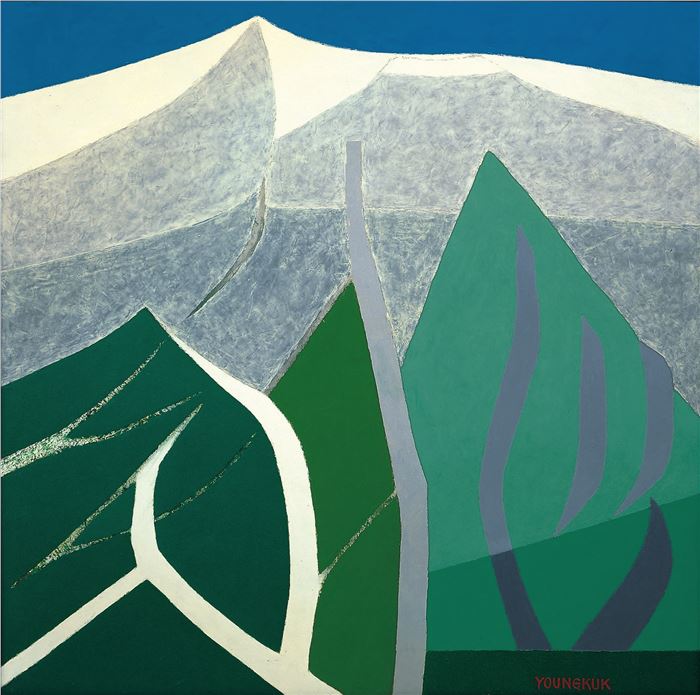
The most striking trend to emerge from the 2026 edition was the sustained strength of Korean artists across every tier of the pricing spectrum. This was not merely a local phenomenon but a testament to the international reassessment of Korean modern and contemporary masters. Leading the charge was the late Yoo Youngkuk (1916–2002), whose market presence has been significantly amplified by a major ongoing retrospective at the Seoul Museum of Art (SeMA).

Kukje Gallery reported a landmark sale for the artist: a 1971 painting fetched between KRW 2.2 and 2.5 billion (approximately $1.6 to $1.8 million), marking the highest price ever achieved by a Korean artist at Frieze Seoul since its inception. The gallery’s success continued at Kiaf, where a 1979 work by Yoo sold for between KRW 600 and 720 million ($450,000–$530,000). These results reflect a broader pattern in which institutional visibility—such as the SeMA retrospective—directly correlates with heightened market demand.
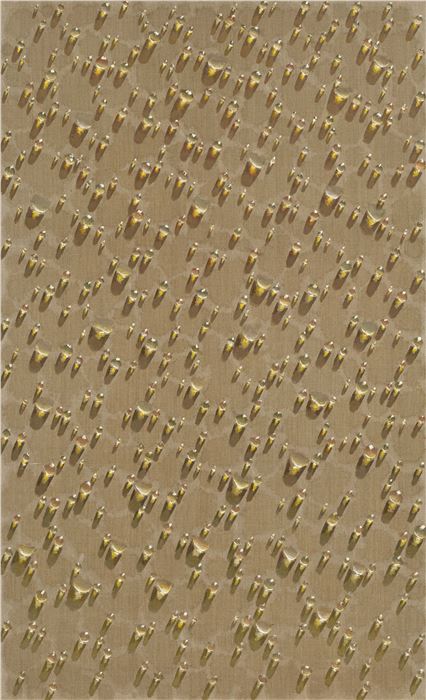
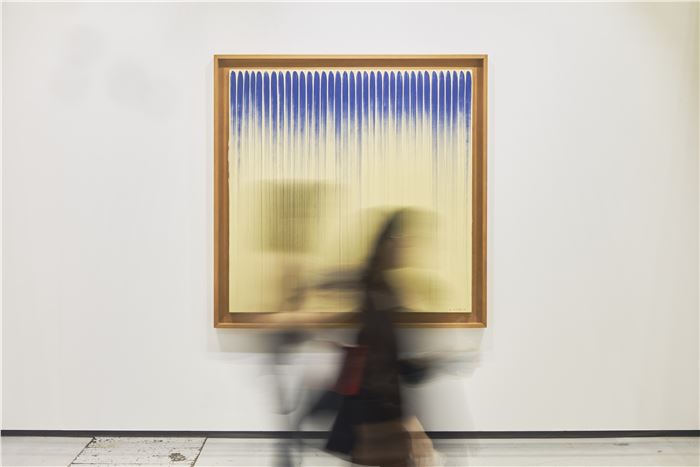
The enduring appeal of the Dansaekhwa movement remains a cornerstone of the market’s stability. Gallery Hyundai reported a highly successful outing, with five works by Kim Tschang-yeul finding buyers at prices ranging from $180,000 to $1.1 million. The appetite for these artists is clearly global; international galleries like Almine Rech also reported significant activity with Kim, alongside a high-value sale of a work by Lee Ufan, which moved for between $1.25 and $1.5 million.
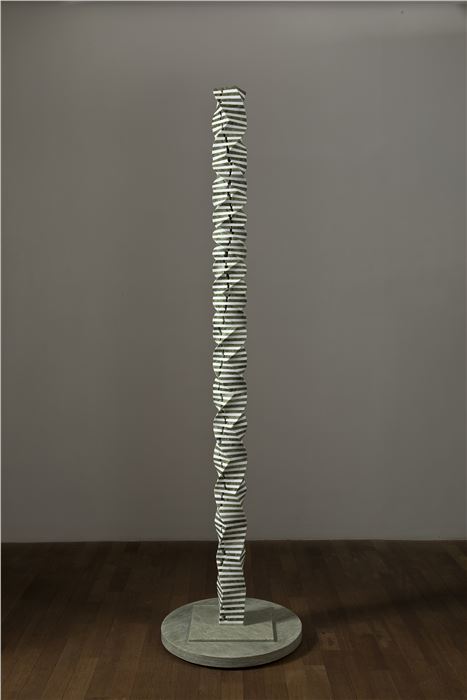
The mid-market also showed remarkable vitality. Leeahn Gallery reported the sale of an acrylic on canvas by Lee Kang-So for KRW 320 million ($235,000), a figure bolstered by the artist’s current exhibition at the Lotte Museum of Art. Similarly, Johyun Gallery saw strong demand for Lee Bae, selling six bronze sculptures at prices between $40,000 and $140,000, as well as two charcoal works, following the artist’s dedicated exhibition at Museum SAN. The demand for established figures such as Park Seo-Bo and Ha Chong-Hyun remained consistently strong, providing a bedrock of confidence for both local and international collectors.
This momentum extended to contemporary practitioners as well. BB&M saw a sell-out success with works by Lee Bul, priced between $195,000 and $290,000, while Jason Haam secured a $200,000 sale for a piece by emerging painter Moka Lee. These results confirm that the Korean art market is successfully bridging the gap between historical significance and contemporary relevance, with domestic artists gaining ground in both the elite and mid-market segments.
While the focus was heavily on local talent, international blue-chip artists maintained a strong presence. Hauser & Wirth placed a $1.2 million painting by Rashid Johnson with a major Korean institution, alongside works by Louise Bourgeois that fetched between $185,000 and $600,000. Ropac reported the sale of a 2026 painting by Adrian Ghenie for €1.1 million ($1.28 million) and a cast-iron sculpture by Antony Gormley for £750,000 ($1 million). White Cube also found success with Gormley, selling a work for £250,000 ($337,000), and a Gerhard Richter painting for €625,000 ($727,000). While Chinese artists had a relatively limited presence compared to their Japanese counterparts, led by the evergreen Yayoi Kusama, there was a noticeable rise in interest toward Southeast Asian talent, with artists like Korakrit Arunanondchai, Gonkan, and Chelsea Theodossis gaining visibility.
A Distinctive and Evolving Art Fair Landscape
Frieze Seoul Director Patrick Lee has characterized the city’s art scene as possessing a unique momentum that defines the fair’s identity. "Frieze Seoul is increasingly international, but its character comes from Korea," Lee observed. This synergy is anchored by the complementary nature of the two fairs: while Frieze Seoul draws a global contingent with roughly two-thirds of its exhibitors from abroad, Kiaf remains the home of the local market, with over 70% of its exhibitors being Korean. However, the 2026 edition blurred these lines, as both events exhibited a shared commitment to showcasing Korean talent, regardless of the exhibitor’s origin.
The cultural footprint of Korean professionals was also evident in the curatorial direction of the fairs. The inclusion of curators like Seolhui Lee (Focus), Wonseok Koh (Spotlight), and Hyeyoung Cho (Material Practice) in key sections of Frieze Seoul signaled the rising influence of Korean voices on the international stage. Their presence resonated with a broader trend of Korean leadership in global institutions, exemplified by the attendance of Doryun Chong of M+ in Hong Kong, Clara Kim of MOCA Los Angeles, and Sook-Kyung Lee of the Whitworth in Manchester.
Attendance figures remained steady, with 70,000 visitors at Frieze Seoul and over 80,000 at Kiaf, the latter benefiting from an additional day of programming. While exhibitors offered varying perspectives on the influx of international buyers compared to previous years, the overall stability suggests a resilient collector base.
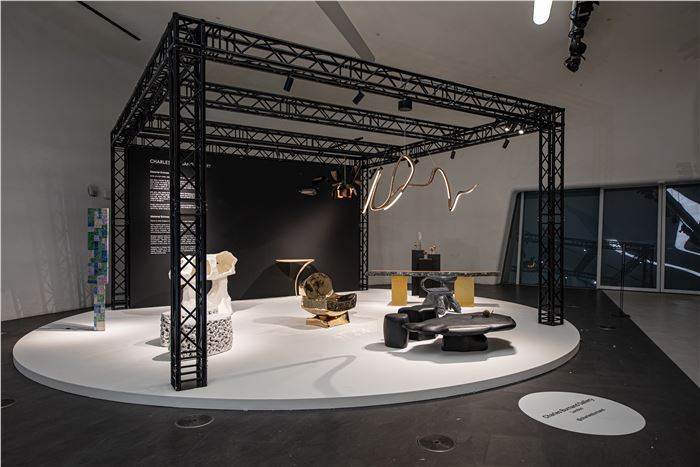
Meanwhile, Design Miami Seoul, now in its second year, occupied a smaller, more experimental footprint. While currently more modest in scale than the visual arts fairs, it serves as a laboratory for future growth. The prospect of Frieze moving to the DDP venue next year suggests an effort to integrate design more fully into the broader cultural week. Additionally, the arrival of the Pavilion fair—a less commercial, exhibition-oriented model—added a new layer of diversity to the city’s offerings, though its long-term viability remains to be seen.
Supportive Economic and Institutional Context
The health of the art market is inextricably linked to the broader institutional growth occurring across South Korea. The National Museum of Korea has become a global powerhouse, welcoming 6.5 million visitors and ranking among the top three most-visited museums in the world, trailing only the Louvre and the Vatican Museums. This public enthusiasm for culture has created a fertile ground for the commercial sector.
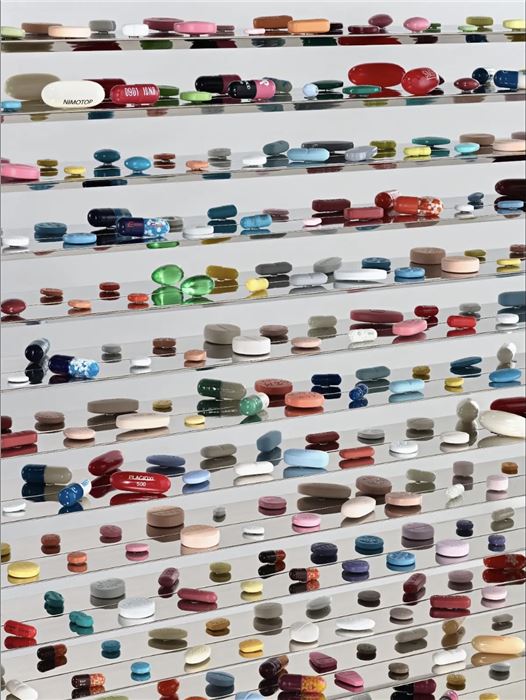
The MMCA’s success with the Damien Hirst exhibition, which drew over 540,000 visitors, was a turning point that solidified the link between institutional prestige and market demand. Gagosian’s decision to present a dedicated solo show of Hirst at Frieze Seoul was a direct response to this institutional visibility. The same dynamic is visible with Do Ho Suh, whose sustained success following a 2025 presentation at the Tate Modern has cemented his status as a high-value artist in the Korean market.
Despite geopolitical uncertainties, the South Korean economy remains resilient, with growth estimates hovering between 3.0% and 3.5%, bolstered by a strong semiconductor export sector. The art market has mirrored this stability, avoiding the pitfalls of speculative overheating and favoring a more sustainable, collector-driven approach.
Although the Korean art market’s 2025 turnover of KRW 638.2 billion is modest when compared to the vast scale of the global industry—or even the individual turnover of major auction houses—it represents a massive, largely untapped potential. When viewed against the scale of the country’s wider cultural economy, such as the multibillion-won impact of global icons like BTS, the art sector has significant room to expand. With recent government initiatives aimed at improving data collection and market transparency, the foundation is being laid for a more sophisticated, data-driven, and internationally integrated art ecosystem. As Seoul continues to bridge the gap between its vibrant domestic cultural base and the global art world, the trajectory of its market points toward a future of continued, measured growth.