LOS ANGELES — For more than four decades, the Tom of Finland Foundation has stood as an international beacon for queer art, providing a sanctuary where marginalized expression could flourish without censorship or shame. Now, an acrimonious and escalating rift between the foundation’s board of directors and its community of artists has cast a long shadow over its future, leaving supporters and alumni fearful that the institution is drifting away from its radical roots.
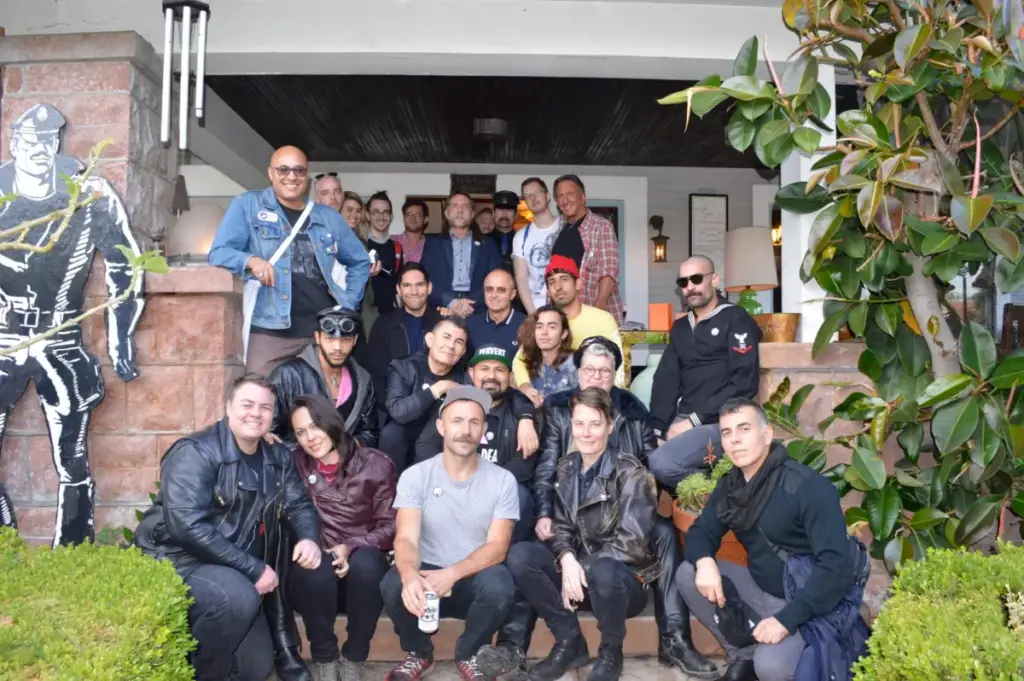
The nonprofit foundation was established in 1984 to preserve, protect, and promote the art and legacy of Touko Laaksonen, the visionary Finnish artist universally known as Tom of Finland (1920–1991). Laaksonen’s pioneering erotic depictions of hypermasculine men—spanning sailors, lumberjacks, leather-clad bikers, and police officers—helped redefine queer identity, shifting cultural narratives away from shame and toward uninhibited pride and agency. Over the years, the foundation expanded its institutional scope far beyond archiving Laaksonen’s personal output. It evolved into a dynamic engine for contemporary artists, mounting provocative exhibitions, acquiring vital works, and, crucially, launching an artist-in-residence program in 2011. Based out of the foundation’s headquarters—an iconic, historic Echo Park craftsman home affectionately and reverently known as “TOM House”—the residency offered generations of queer and erotic creators a rare physical and creative haven.
That sense of sanctuary was deeply shaken late last month. On Monday, September 28, a coalition of 41 former artist residents released a public open letter addressed directly to the foundation’s board of directors. In the document, the signatories expressed deep alarm over what they termed a systemic lack of transparency and the abrupt, unexplained interruption of several core institutional programs by the current administrative leadership.
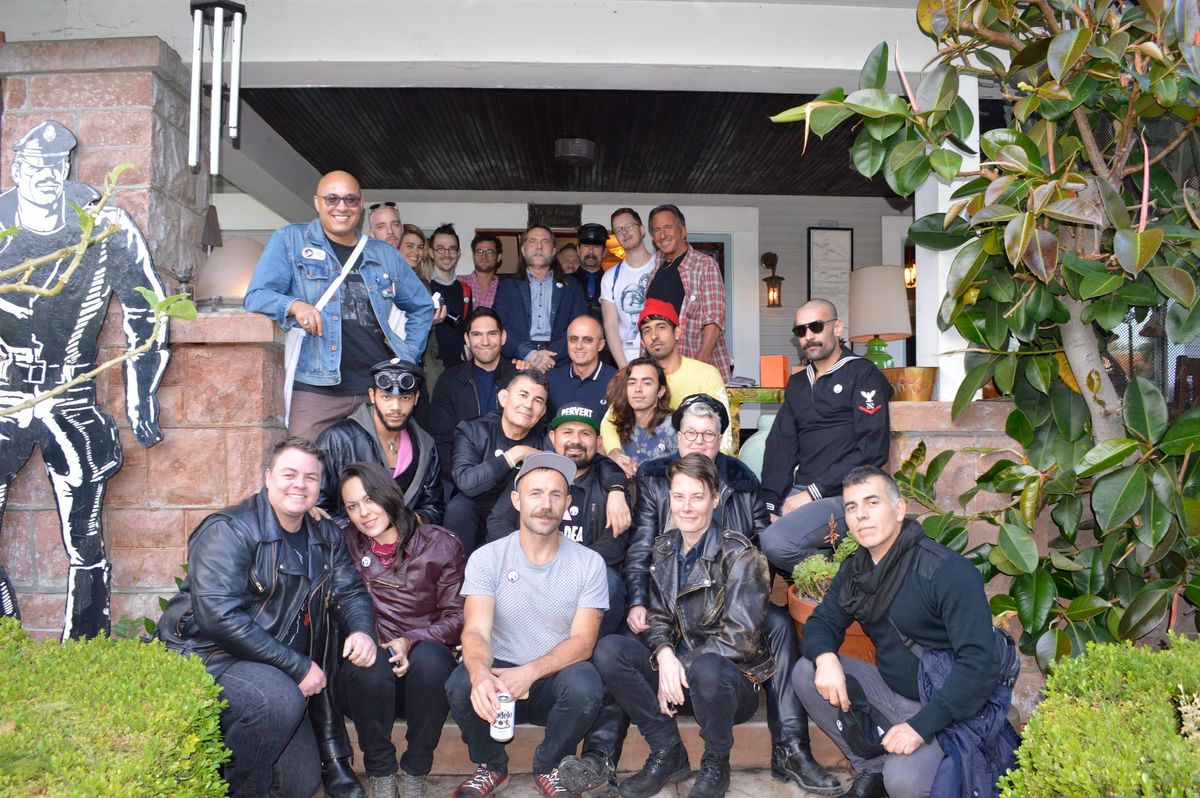
At the center of their grievances is the Artist-in-Residence (AIR) program, which the former residents stated was abruptly discontinued without prior communication, consultation, or public warning. Furthermore, the letter alleges that nearly the entire operational staff of TOM House was abruptly laid off this past June, gutting the day-to-day community infrastructure that kept the historic landmark running as a living, breathing cultural hub rather than a sterile museum.
The open letter explicitly calls upon the board to course-correct and guarantee the continuation of the foundation’s foundational mission. The signatories emphasize that this mission requires more than merely archiving Tom of Finland’s historical work. They argue that preserving his legacy is inextricably linked to maintaining an active, uncompromising commitment to new generations of queer and erotic artists through reinstated residency programs, professional mentorship, financial support, public exhibitions, academic research, and open access to the foundation’s unique and irreplaceable archives.
Carta Monir, a multimedia artist who participated in the AIR program in 2022 and stepped forward as a coordinator for the open letter, spoke candidly with the press about the mounting frustrations behind the initiative. According to Monir, attempts by alumni to engage in constructive dialogue with the administration have been met with silence, noting that the board has consistently refused to answer direct inquiries regarding the sweeping administrative changes.
"It felt vital to write the letter," Monir said, explaining the collective decision to take their concerns public. "It’s clear that, unless there’s public scrutiny, they won’t be transparent."

For the wider community of artists, curators, and historians who have orbited TOM House over the years, the friction represents a painful disconnect between the current administrative direction and the foundational ethos of the space. Tom of Finland’s work was inherently countercultural, born of an era when queer expression was heavily criminalized, stigmatized, and forced into the shadows. The community members who signed the open letter fear that under the stewardship of the current administration, the institution is losing the radical, unapologetically queer energy that Tom Laaksonen and his historic home embody, trading grassroots community stewardship for corporate-style opacity.
As the open letter continues to circulate within international arts circles, the board of directors has yet to issue a comprehensive public response addressing the specific grievances raised by the former residents. In the meantime, the future of TOM House and its legacy of supporting contemporary queer creators remains uncertain, leaving alumni and supporters watching closely to see whether the foundation will heed their call for accountability and dialogue.