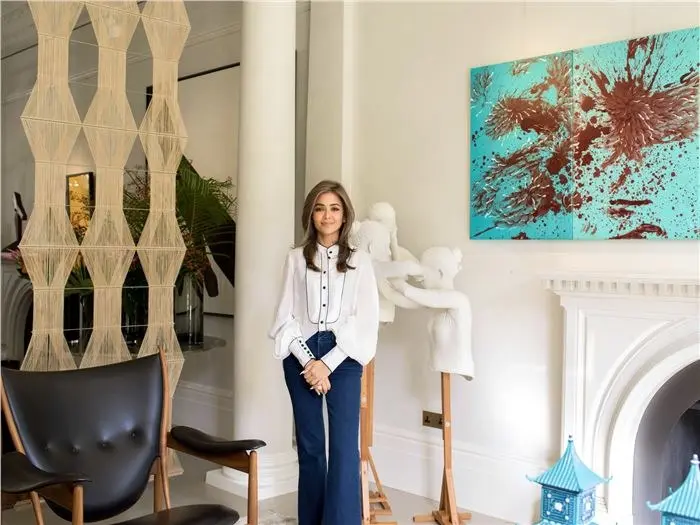
In the high-stakes world of contemporary art, where market trends can shift with the speed of a digital notification, London-based collector and philanthropist Aarti Lohia stands apart for her commitment to a slower, more deliberate cadence. A prominent figure on the ARTnews Top 200 list, Lohia has cultivated a reputation for prioritizing deep-seated cultural impact over the immediacy of the auction block. Through the SP Lohia Foundation, she has orchestrated a multi-faceted approach to patronage that bridges the seemingly disparate worlds of fine art, chess, and documentary film.
Her latest initiative sees her supporting the critically acclaimed artist Amar Kanwar, whose major solo exhibition currently graces Serpentine North in London, running from September 23, 2026, through January 31, 2027. In a wide-ranging conversation with Daria Borisova, Lohia articulates a philosophy of "the long game"—a practice rooted in patience, rigorous strategy, and a profound belief in the capacity of culture to foster human connection.
A Triad of Influence: Culture, Chess, and Cinema
While art, chess, and film may seem like separate spheres, for Lohia, they are interconnected threads of a single mission: to see others—and the world at large—with greater clarity. Her journey into these areas has been evolutionary, unfolding across different chapters of her life. Chess was the earliest entry point, moving from a casual interest to a deeply personal cause following the engagement of her son, Sohum, who began playing at age five.
"Chess can give a child confidence in their own thinking," Lohia explains, noting how the game demands that a player confront the immediate consequences of their decisions. Film, by contrast, emerged as a more recent passion, born from a desire to champion authentic storytelling. "A film can bring us close to a life we might otherwise know only through a headline," she adds. When combined with the transformative power of art, these pursuits serve as an antidote to a modern era characterized by rapid, often superficial, consumption of information. For Lohia, all three disciplines require the observer to slow down, pay attention, and resist the urge to settle for an easy version of the truth.
The Criteria of Commitment: Assessing Potential and Integrity
As the driving force behind a family-run foundation, Lohia maintains a discerning, relationship-first approach to philanthropy. Being a "family foundation" is a vital distinction for her; it is a vehicle for values-driven support rather than institutional bureaucracy. When evaluating potential projects, her primary focus is on the people at the helm. She asks probing questions: Are these leaders grounded in integrity? Do they possess a genuine, deep-seated commitment to their work, and do they truly understand the communities they seek to serve?
Lohia is transparent about her process. She is willing to take calculated risks on ambitious, untested ideas, but she is notoriously wary of vague promises. Success, in her view, is defined by the honesty of the relationship between the patron and the practitioner. She seeks to understand not just what a project promises to deliver, but what her support will tangibly make possible. It is a pragmatic, yet deeply empathetic, model of giving that favors substance over the prestige of a name on a plaque.
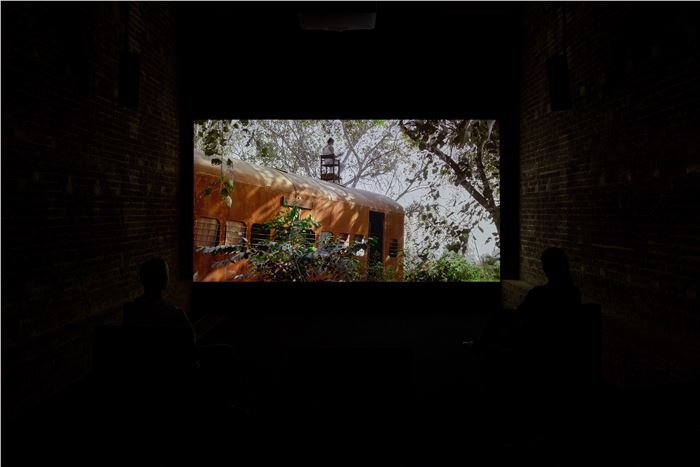
Championing Amar Kanwar: Supporting Difficult Histories
The decision to support Amar Kanwar’s Serpentine North exhibition is a testament to this philosophy. Lohia has followed Kanwar’s career for years, drawn to the profound seriousness of his practice. His work does not invite a casual gaze; rather, it demands that the audience confront complex, often difficult, historical narratives and human experiences.
"I felt it mattered that an artist like Amar, from South Asia, could be encountered in the heart of London, on the scale and with the attention his practice deserves," Lohia says. By providing the resources necessary for a major solo exhibition, she is not merely funding an event—she is fostering the conversations that the work is likely to ignite. She views her role as a patron as one of stewardship: providing artists the space to develop work that may take years to manifest, shielding them from the pressure of convenient, market-driven timetables. This patience is, to her, the ultimate sign of respect for the creative process.
Strategic Moves: The SHIKHAR Initiative and the Chessboard
Lohia’s involvement in chess has evolved from a personal family activity into a structured social mission through the SP Lohia Foundation’s SHIKHAR initiative. The program, which has launched a pilot phase across six schools in Himachal Pradesh, India, aims to democratize access to the game. Recognizing that opportunities for high-level instruction are often unfairly distributed, Lohia is using the initiative to empower students—particularly girls who might otherwise be discouraged from the sport—to discover their own intellectual agency.
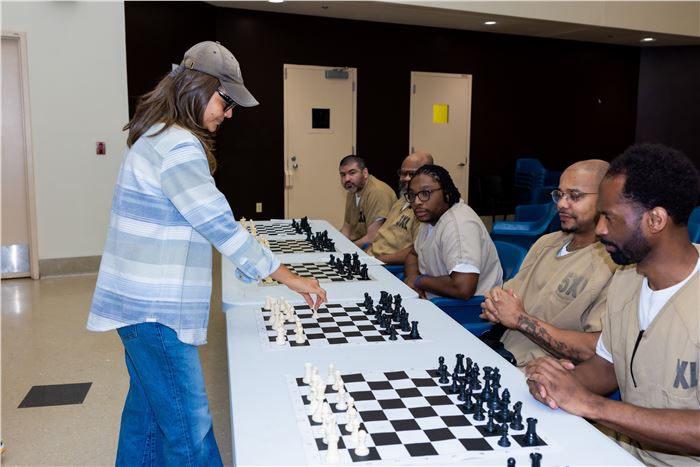
Her background in chess has also fundamentally altered her approach to philanthropy. She describes a clear distinction between a "good position" and a "good result." In both the game and the world of giving, one can have a brilliant, theoretically sound starting point, but the outcome depends on the quality of subsequent decisions as circumstances shift. "It has taught me to be wary of confusing patience with delay," she notes. Sometimes, a project needs time to grow; at other times, a donor must recognize that an approach is failing and have the courage to make a different move.
Addressing the Uneven Landscape of the Art World
When asked about the current state of the art world, Lohia is candid about its structural flaws. While she acknowledges the extraordinary quality of work being produced today, she laments that attention and opportunity remain unevenly distributed. There is a systemic tendency to reward artists who are already visible, while those whose practices require time, research, or unconventional forms are often overlooked.
Furthermore, she expresses concern over the performative nature of the art world, noting that the social life surrounding exhibitions can sometimes become louder than the art itself. For Lohia, the act of writing a check is the least consequential part of patronage. True support involves deep listening, making strategic introductions, and, most importantly, remaining engaged when a project hits a difficult patch. She advocates for a culture where patrons are more curious about the "who" behind the work, prioritizing sustained support over fleeting trends.
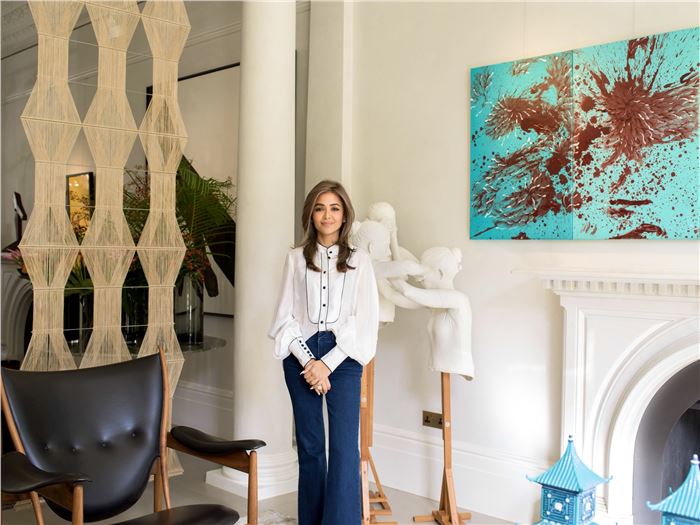
A Legacy of Care and Curiosity
Looking toward the future, Lohia envisions a foundation defined by its enduring commitment to people and ideas. She points to her involvement in the ten-year archiving program at the India Foundation for the Arts (IFA) as an example of the kind of long-term care she champions. Whether it is a student gaining confidence through a chess match or an artist realizing a career-defining project, she hopes that the foundation’s impact will eventually grow far beyond its own operations.
As she looks at the next generation, she finds hope in the agility and confidence of younger artists who move fluidly between disciplines and geographies. She is also encouraged by a new wave of patrons who are moving away from the "name on the door" model of giving, opting instead to engage deeply with the intellectual and human labor of the projects they fund. However, she offers a final, cautionary note: the pressure to achieve immediate visibility is a dangerous one. "Artists need room to experiment and, most importantly, to fail," she asserts. Without the patience to allow for failure, the art world risks missing out on the very works that might define the next decade.
As the SP Lohia Foundation continues to evolve, its trajectory seems clear. It is a commitment to a life of curiosity, a willingness to change one’s mind, and, above all, a discipline to invest in work whose full value may not be apparent for years to come. In an era of instant gratification, Aarti Lohia’s approach serves as a quiet, steady reminder that the most significant contributions are rarely the ones made in haste.