The past seven days in the global art market and cultural sector have been defined by a mix of institutional survival, corporate upheaval, and the loss of a significant visionary. From the secure future of one of the world’s most beloved museums to the dramatic bankruptcy of an industry giant, the landscape of the art world remains in a state of rapid flux.
In the Spotlight: Funding Successes and Corporate Crises
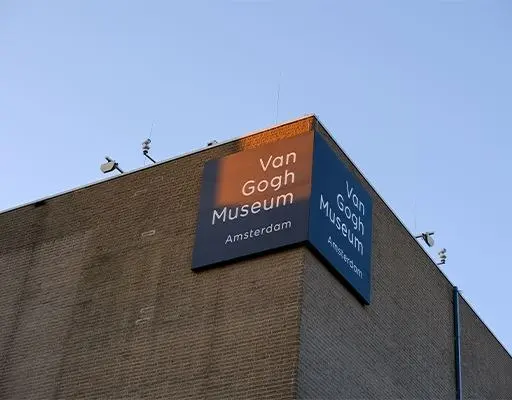
The most significant sigh of relief this week emanated from Amsterdam, where the Van Gogh Museum has successfully navigated a yearslong existential threat. For an extended period, the institution had been locked in a tense negotiation with the Dutch government, arguing that its annual subsidy was insufficient to cover the escalating costs of vital infrastructure renovations and maintenance. The museum, which houses the world’s largest collection of works by Vincent van Gogh, warned that without a financial boost, its operational viability was at stake. This week, however, those concerns were put to rest as the museum confirmed it had reached a comprehensive funding deal with the state. The agreement ensures that the institution can move forward with its modernization plans, securing its future as a cornerstone of international art history and a major tourist destination.
While the Van Gogh Museum celebrates stability, the world of image licensing is facing a massive disruption. Getty Images, a titan of the digital media landscape, has officially filed for Chapter 11 bankruptcy. This development follows the collapse of a proposed $3.7 billion merger with its primary competitor, Shutterstock. The deal, which had been viewed as a potential consolidation of power in the stock imagery market, was abandoned after encountering insurmountable regulatory hurdles. For an organization that manages an archive of over 477 million assets, the filing marks a profound turning point. Industry analysts are now watching closely to see how this bankruptcy will affect the myriad artists, photographers, and media outlets that rely on the Getty platform for their visual content, as the firm enters a period of court-supervised restructuring.
In a rare moment of triumph for cultural heritage preservation, two stolen paintings by Pierre-Auguste Renoir have been recovered. The works, which had been snatched during a brazen pre-dawn raid, were valued at approximately $10.5 million. The recovery of the pieces brings an end to a high-profile investigation and restores a significant portion of the collection to the Renoir Museum. Authorities have yet to release full details regarding the circumstances of the recovery, but the news serves as a stark reminder of the ongoing challenges institutions face in securing high-value masterworks against theft.
Fairs and Biennials: Global Shifts and New Horizons
The landscape of recurring art events has also seen significant movement this week. In Pakistan, the Karachi Biennale has made the difficult decision to cancel its fifth edition, which was scheduled for January 2027. The organizers cited “war conditions” as the primary driver for the cancellation, reflecting the impact that regional instability can have on the international art circuit. Reports have surfaced suggesting that the decision was made without the input of the biennale’s curator, Noor Ahmed, highlighting the internal friction that can arise when global crises force sudden, large-scale administrative changes within arts organizations.
Conversely, the European art calendar is set to expand next spring. Prague is preparing to host its first-ever international contemporary art fair, titled Prague Contemporary. The event is scheduled to take place at the historic Industrial Palace within the Výstaviště Praha exhibition grounds at the end of April. By establishing a dedicated international platform in the Czech Republic, organizers hope to draw collectors and galleries from across Europe, effectively filling a gap in the Central European art market and providing a new venue for the cross-pollination of contemporary ideas.
Museums and Galleries: Transitions and Data-Driven Insights
The commercial gallery scene is undergoing a transition in New York, following the untimely death of the founder of the Lubov gallery. In the wake of this loss, the gallery has entered a new chapter, appointing Mode Bonafilia and Kristen Wasik as its new owners. The transition marks a pivotal moment for the space as it looks to maintain its reputation while navigating the challenges of a competitive NYC art market under new leadership.
Meanwhile, the conversation surrounding equity in the arts has been bolstered by the emergence of a new artificial intelligence tool designed to audit the gender balance of galleries. The app provides a transparent look at the representation of female artists within institutional rosters, aiming to offer a diagnostic tool for dealers and curators. The founder of the project suggests that the tool is not merely for critique, but for growth; the premise is that galleries struggling with stagnant sales or declining interest may find renewed success by diversifying their programs and actively appealing to the growing demographic of female collectors. By leveraging data to highlight gender disparities, the app attempts to turn social equity into a measurable business strategy.
Honoring a Legacy: The Passing of Peter Nagy
The art world is also in mourning this week following the death of Peter Nagy, the influential artist and dealer who founded the Nature Morte gallery. Nagy was a central figure in the transformation of the Indian contemporary art market. Through his visionary approach, he provided a platform for numerous artists who have since become the most celebrated names in Indian contemporary art. His passing represents a significant loss to the international art community, particularly in New Delhi, where his gallery served as a vital nexus for intellectual and artistic exchange. His legacy lives on through the careers he helped launch and the enduring influence of Nature Morte on the global art market.
Recognition and Awards: The Robson Orr TenTen Award
Finally, the Government Art Collection has announced that British artist Louise Giovanelli is the recipient of the 2026 Robson Orr TenTen Award. The accolade recognizes significant contributions to contemporary art and includes the acquisition of a new print, Media Luna, into the government’s collection. As part of the award, Giovanelli’s work will be displayed in British government buildings and embassies across the world. The recognition serves as a testament to the ongoing importance of government-sponsored arts initiatives in promoting contemporary talent on a global stage.
As the week draws to a close, these stories underscore a common theme: the art world is a delicate ecosystem where institutional legacy, financial reality, and personal vision are inextricably linked. Whether through the successful securing of museum funding, the launch of new fairs, or the quiet, steady work of artists like Giovanelli, the industry continues to evolve, adapting to both the challenges of the modern age and the demands of its global audience. For those following the broader trends in auctions, exhibitions, and market shifts, these developments offer a snapshot of a sector that, despite significant hurdles, remains deeply committed to its cultural and historical mission.