The global art landscape has been marked by a tumultuous blend of institutional relief, corporate upheaval, and the loss of a pivotal figure in the contemporary scene. Over the past seven days, the headlines have spanned from the preservation of one of Amsterdam’s most iconic cultural landmarks to the structural collapse of a major image-licensing powerhouse, all while the international community mourns the passing of a visionary who reshaped the art market in India.
In the Spotlight: Funding Successes and Corporate Crises
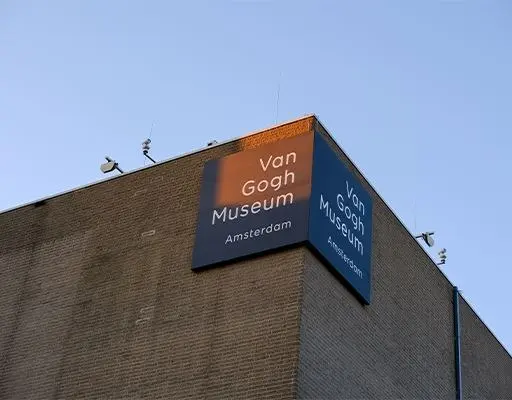
The most significant news for the museum sector arrived from Amsterdam, where the Van Gogh Museum has successfully navigated a high-stakes standoff with the Dutch government. After a protracted, yearslong dispute regarding the institution’s long-term financial viability, officials have confirmed that a funding deal has been reached. The museum, which houses the world’s most extensive collection of works by Vincent van Gogh, had been warning that a failure to secure an increased annual subsidy would result in a forced closure. The museum leadership had argued that the injection of capital was essential not only for day-to-day operations but for critical, large-scale renovations required to maintain the safety and integrity of the building. With the agreement now finalized, the museum can look toward the future with stability, ensuring that its mission to preserve the legacy of the post-impressionist master remains uninterrupted.
While one institution found its footing, the corporate side of the art and media world suffered a major blow. Getty Images, the titan of the visual media industry, has filed for Chapter 11 bankruptcy. This development follows the collapse of a proposed $3.7 billion merger with its primary rival, Shutterstock. The merger, which would have consolidated the lion’s share of the commercial image market, was ultimately abandoned after facing insurmountable regulatory hurdles. With a repository containing more than 477 million assets, Getty Images has long served as a backbone for journalists, researchers, and art professionals globally. The bankruptcy filing signals a period of intense uncertainty for the company and its vast archives, leaving observers to speculate on how the digital distribution of historic and contemporary photography will be impacted in the coming months.
Elsewhere, the art world received rare positive news regarding the recovery of stolen property. Two paintings by the impressionist master Pierre-Auguste Renoir, estimated to be worth approximately $10.5 million, have been recovered following a daring pre-dawn heist. The theft, which had left the Renoir Museum in a state of shock, prompted an intensive investigation. The successful retrieval of these works is a significant victory for heritage protection, highlighting the ongoing efforts by law enforcement and cultural institutions to secure masterpieces from the shadow market.
Fairs & Biennials: Challenges and New Beginnings
The international circuit of art fairs and biennials is currently experiencing a period of reorganization. In a difficult move, the organizers of the Karachi Biennale have announced the cancellation of the event’s fifth edition. The decision was attributed to what the organizers described as "war conditions" currently impacting the region. The sudden nature of the cancellation has drawn scrutiny, particularly as reports indicate that the decision was reached without the input or consultation of the biennale’s curator, Noor Ahmed. This lack of transparency has sparked debate within the arts community regarding the autonomy of curators and the pressures faced by cultural institutions operating in volatile geopolitical climates.
Conversely, the landscape in Europe is expanding with the introduction of a new platform for contemporary art. The Czech Republic is set to host its first international contemporary art fair, titled "Prague Contemporary." The inaugural event is scheduled to take place at the historic Industrial Palace in Výstaviště Praha at the end of April next year. The fair aims to bridge the gap between regional artists and the broader international market, positioning Prague as a burgeoning hub for contemporary expression. Organizers are optimistic that the Industrial Palace, a landmark of architectural significance, will provide a unique backdrop for collectors and galleries looking to tap into the Central European market.
Museums, Galleries, and the Evolving Market
The New York gallery scene is also undergoing a period of transition. Following the untimely death of its founder, the influential Lubov Gallery has announced a new chapter in its history. The gallery, known for its commitment to experimental and cutting-edge art, will now be led by new owners, Mode Bonafilia and Kristen Wasik. This leadership transition is viewed by many as a signal of continuity for the gallery’s roster of artists and its specific aesthetic vision.
Innovation is also making its way into the administrative side of the art market. A new artificial intelligence-driven tool has been launched with the specific goal of analyzing and revealing the gender balance within galleries. The founder of the app suggests that the current art market environment is ripe for change; by providing data-driven insights into how galleries represent artists, the tool aims to highlight inequities. The initiative is built on the premise that galleries struggling to maintain financial momentum could revitalize their business models by actively supporting women artists and engaging with the growing demographic of female collectors. This technological intervention reflects a broader push for greater inclusivity and equitable representation in the commercial art world.
A Legacy Remembered
The art community has paused this week to mourn the loss of Peter Nagy, the founder of the Nature Morte Gallery. Nagy was widely recognized as a transformative figure who fundamentally altered the landscape of the Indian contemporary art market. Through his gallery, which became a beacon for both domestic and international audiences, Nagy was instrumental in launching the careers of some of India’s most celebrated contemporary artists. His influence extended beyond the walls of his gallery, as he acted as a mentor and bridge-builder, connecting the vibrant Indian scene with global institutional and private collectors. His death marks the end of an era for the Indian art market, but his legacy remains firmly embedded in the careers of the artists he championed.
Recognition and Awards
Rounding out the week’s news, British artist Louise Giovanelli has been honored with the Robson Orr TenTen Award for 2026. This prestigious accolade, conferred by the Government Art Collection, recognizes an artist’s contribution to the contemporary cultural landscape. As the recipient, Giovanelli’s new print, titled Media Luna, will be integrated into the Government Art Collection, ensuring that her work is prominently displayed in British government buildings and embassies across the globe. The award serves as a significant milestone for Giovanelli, further cementing her standing as a leading voice in modern British painting.
As these developments continue to unfold, they illustrate an industry that is simultaneously grappling with its past—in the form of stolen works and the loss of institutional leaders—and its future, through the lens of technological change and the emergence of new market hubs. Whether through the resolution of funding crises or the shifting of ownership in local galleries, the art world continues to adapt, driven by the enduring necessity of cultural expression and the ongoing work of those who sustain it. For those tracking the broader trends, the upcoming exhibition cycles and auction results will likely provide further context to these unfolding narratives, continuing the dialogue between the artists who create and the institutions that hold their work in trust for the public.