The past week has been a period of significant recalibration for the international art community. From the long-awaited resolution of a funding crisis at one of the world’s most iconic museums to the seismic shift in the image-licensing landscape and the somber loss of a transformative figure in the Indian art scene, the news cycle has been defined by both resilience and structural transformation.
In the Spotlight: Funding Success and Corporate Instability
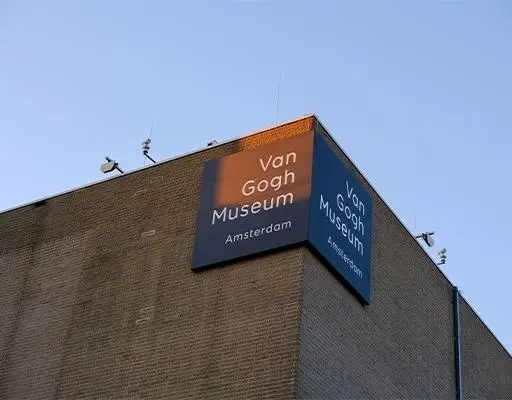
The most pressing concern for the global museum sector was resolved this week when the Van Gogh Museum in Amsterdam announced that it had finally secured a comprehensive funding agreement with the Dutch government. For years, the institution had been locked in a tense negotiation regarding its annual subsidy, with museum leadership arguing that an increase was essential to facilitate critical renovations and preserve the integrity of its world-renowned collection. The threat of closure had loomed large, casting a shadow over one of the most visited cultural sites in Europe. With this new financial commitment, the museum can now proceed with its necessary infrastructure upgrades, ensuring that the legacy of Vincent van Gogh remains protected and accessible to the public for years to come.
While the Dutch institution celebrated a victory for cultural preservation, the commercial sector faced a jarring development. Getty Images, the titan of the image-licensing industry—possessing a massive archive of over 477 million assets—has officially filed for Chapter 11 bankruptcy. This development follows the collapse of a high-stakes, $3.7 billion merger with its primary rival, Shutterstock. The merger, which was envisioned as a consolidation of power within the digital media landscape, ultimately faltered under the weight of regulatory scrutiny. The failure to secure approval for this deal has left Getty Images in a precarious financial position, marking a significant moment of volatility in the digital rights and image-archiving market.
Meanwhile, the art market also saw a rare moment of triumph regarding the recovery of stolen assets. The Renoir Museum, which had been mourning the loss of two significant works of art following a brazen pre-dawn heist, announced that both paintings—collectively valued at approximately $10.5 million—have been successfully recovered. The recovery of such high-value masterpieces serves as a poignant reminder of the ongoing challenges museums face in securing their collections, even as they work to expand public access.
Fairs and Biennials: Challenges and New Beginnings
The landscape of global art exhibitions is shifting as well. In a difficult move, organizers of the Karachi Biennale announced the cancellation of the event’s fifth edition, citing ongoing "war conditions" in the region. The decision has been met with internal friction, as reports suggest that the cancellation was carried out without the direct input or consultation of the biennale’s curator, Noor Ahmed. The abrupt nature of the decision highlights the profound difficulties faced by cultural institutions operating in zones of instability, where the safety of participants and the logistics of mounting an international exhibition are often superseded by the realities of conflict.
Conversely, the European art fair circuit is preparing for an infusion of new energy. The Czech Republic is set to host its first-ever international contemporary art fair, Prague Contemporary, next spring. The inaugural event is scheduled to take place at the Industrial Palace, a historic venue located in the Výstavištĕ Praha exhibition grounds. Scheduled for the end of April, the fair aims to elevate Prague’s status as a burgeoning hub for the contemporary art market, attracting collectors and galleries from across the globe to the heart of Central Europe.
Evolution in Galleries and Market Analytics
In New York City, the art world continues to mourn the untimely passing of the founder of the Lubov Gallery. As the gallery navigates this period of transition, it has announced new leadership, with Mode Bonafilia and Kristen Wasik stepping in as the new owners. The transition signifies a new chapter for the space, which has been a fixture in the local contemporary scene.
The business of gallery management is also becoming increasingly data-driven. A new artificial intelligence tool has entered the market, designed to analyze and reveal the gender balance within galleries. The founder of the app argues that the industry is currently missing out on significant opportunities, noting that galleries struggling to maintain financial viability could potentially bolster their fortunes by fostering a more inclusive roster of artists and, by extension, attracting a wider base of female collectors. The introduction of this technology reflects a broader push toward transparency and demographic equity within the commercial gallery system.
Obituaries and Awards: Honoring a Legacy and Celebrating Talent
The art community suffered a profound loss this week with the death of Peter Nagy, the influential founder of the Nature Morte Gallery. Nagy was a central figure in the transformation of the Indian contemporary art market, serving as both an artist and a dealer who championed a generation of talent. His work in establishing Nature Morte allowed him to launch the careers of some of the most significant Indian artists working today. His influence on the contemporary landscape in India was immense, and his passing marks the end of an era for the many artists who were nurtured under his mentorship and vision.
On a brighter note, the UK art scene celebrated the recognition of Louise Giovanelli, who has been named the recipient of the Robson Orr TenTen Award for 2026. This prestigious honor, conferred by the Government Art Collection, recognizes excellence in contemporary practice. As part of the award, Giovanelli’s new print, titled Media Luna, will be acquired by the government and displayed in embassies and high-profile British government buildings across the globe. This initiative serves to showcase contemporary British artistic talent on an international diplomatic stage, ensuring that Giovanelli’s work receives significant global visibility.
As the industry moves forward, these events collectively highlight the precarious balance between the preservation of history, the volatile nature of the commercial art market, and the constant evolution of artistic discourse. Whether through the resolution of long-standing funding disputes or the introduction of new analytical tools, the art world continues to adapt to the changing realities of the 21st century. For those interested in deeper insights into the trends, auctions, and exhibitions that will shape the coming months, the ongoing coverage provided by the industry’s leading voices remains an essential resource. The resilience shown by institutions in the face of financial and regional challenges suggests that while the landscape is in flux, the commitment to artistic endeavor remains as steadfast as ever.