The past week in the art world has been defined by a volatile mix of institutional endurance, major corporate restructuring, and the somber reflection of a significant loss within the global gallery scene. From the successful resolution of a long-standing financial standoff at one of the world’s most iconic museums to the sudden bankruptcy of a titan in the image-licensing industry, the cultural landscape continues to evolve under the pressures of economic shifts and geopolitical instability.
In the Spotlight: Funding Successes and Corporate Crises
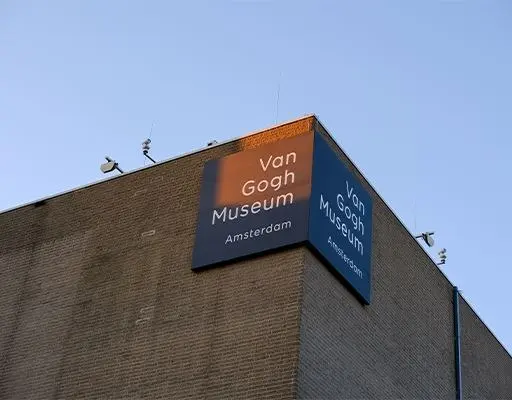
The most significant relief for the global museum community came from Amsterdam, where the Van Gogh Museum officially announced it has reached a vital funding agreement with the Dutch government. For years, the museum had been locked in a tense, high-stakes dispute regarding the annual subsidy required to maintain its facilities. The institution had repeatedly warned that without a substantial increase in public funding, it would be unable to sustain necessary, long-term structural renovations, potentially forcing a total closure. The resolution of this dispute marks a major victory for the preservation of Vincent van Gogh’s legacy, ensuring that the world’s largest collection of the artist’s works remains accessible to the public while allowing for essential modernization projects to proceed as planned.
While the museum world celebrated a moment of stability, the commercial side of the industry was dealt a significant shock with the news that Getty Images has filed for Chapter 11 bankruptcy. This development follows the collapse of a massive $3.7 billion merger attempt between Getty and its primary rival, Shutterstock. The deal, which would have consolidated an immense portion of the visual media market, was ultimately abandoned due to insurmountable regulatory roadblocks. With Getty Images housing a repository of more than 477 million assets, the filing has sent ripples through the creative sectors, raising questions about the future of image licensing and the stability of the digital infrastructure that supports modern art documentation and editorial journalism.
In a rare moment of positive news regarding the security of cultural heritage, authorities have successfully recovered two priceless Renoir paintings. The works, which had been the target of a brazen pre-dawn theft, have been returned to the Renoir Museum. Valued at approximately $10.5 million, the recovery of these masterpieces highlights the ongoing challenges faced by smaller institutions in securing their collections against sophisticated criminal efforts. The return of the paintings serves as a significant relief to the art community, ensuring that these works are not lost to the black market.
Fairs and Biennials: Global Shifts and New Horizons
The landscape of international art fairs and biennales has seen both sudden contractions and ambitious expansions this week. In a sobering announcement, the fifth edition of the Karachi Biennale has been officially canceled. Organizers attributed the decision to the volatile "war conditions" currently affecting the region. The cancellation has sparked significant discussion within the art world, particularly because reports indicate that the decision was reached without the input or consultation of the biennale’s appointed curator, Noor Ahmed. This move highlights the precarious nature of hosting large-scale international art events in regions currently impacted by geopolitical instability.
Conversely, the European art market is preparing for a new addition to its annual calendar. Prague is set to launch its first major international contemporary art fair, titled Prague Contemporary, next spring. The inaugural event is scheduled to take place at the historic Industrial Palace in Výstaviště Praha at the end of April. By establishing a dedicated international platform in the Czech Republic, organizers hope to draw global collectors and gallerists to a city that has long been a center of European cultural history, signaling a new chapter for the local contemporary market.
Museums and Galleries: Transitions and Data-Driven Progress
New York City’s Lubov Gallery is entering a period of transition following the untimely death of its founder. The gallery has announced that it will continue its operations under new leadership, with Mode Bonafilia and Kristen Wasik stepping in as the new owners. The transition is being watched closely by the New York art scene, as the gallery has carved out a distinct identity that many hope will be preserved under its new stewardship.
Beyond the physical management of spaces, the industry is also grappling with the role of technology in addressing systemic inequities. A new AI-driven tool has been introduced to the market, designed specifically to reveal the gender balance within galleries. The founder of the app argues that transparency is a catalyst for economic growth, positing that galleries currently struggling in the competitive market could significantly boost their fortunes by diversifying their rosters. By supporting more women artists and strategically courting female collectors, the app suggests that institutions can tap into underrepresented demographics to secure their financial futures.
A Legacy Remembered: The Passing of Peter Nagy
The art world is currently mourning the loss of Peter Nagy, the influential founder of the Nature Morte gallery. Nagy was a central figure in the transformation of the Indian contemporary art market, serving as a bridge between local talent and the global stage. As both an artist and a dealer, he possessed a unique ability to identify and cultivate raw talent, ultimately launching the careers of some of India’s most successful contemporary art stars. His death marks the end of an era for the Indian art scene, leaving behind a profound legacy that continues to influence how Indian contemporary art is perceived and valued globally. Colleagues and artists have paid tribute to his vision, which fundamentally altered the landscape of the art market in South Asia.
Awards and Recognition
British artist Louise Giovanelli has been named the recipient of the 2026 Robson Orr TenTen Award. This prestigious honor, conferred by the Government Art Collection, recognizes an artist whose work reflects the vibrancy of the contemporary British art scene. As part of the award, Giovanelli’s new print, titled Media Luna, will be acquired for the Government Art Collection and displayed in various British government buildings and embassies across the world. This recognition not only bolsters Giovanelli’s rising profile but also ensures that her work will be integrated into the public-facing cultural identity of the United Kingdom, serving as a point of artistic engagement for diplomats and visitors alike.
As the week closes, these developments underscore the complex interplay between the administrative, commercial, and creative forces that drive the global art market. Whether through the resolution of long-term funding battles in Amsterdam, the technological integration of data to address social equity, or the somber transition of a legendary gallery, the art world remains a space of constant evolution and resilience. As institutions and individuals adapt to the economic and geopolitical realities of the coming year, the focus remains on the enduring power of art to both reflect and shape the world around us.