The international art world finds itself at a complex crossroads this week, as legal battles over Nazi-looted works, historic auction announcements, and the passing of cultural icons dominate the headlines. From the halls of the Uffizi to the auction blocks of Christie’s, the industry is grappling with questions of ownership, preservation, and the evolving legacy of 20th-century art.
Legal Challenges and Restitution Efforts
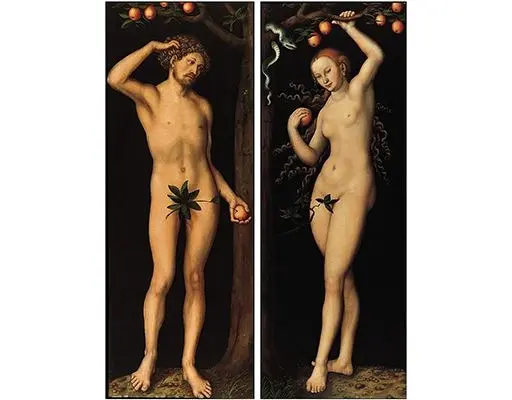
The conversation surrounding art provenance and restitution remains as urgent as ever, with several high-profile cases unfolding across the globe. Perhaps most notably, a renewed effort is underway to claim a pair of Lucas Cranach the Elder paintings currently held by the Norton Simon Museum. The works, which include the master’s c. 1530 Adam and Eve, have been the subject of long-standing litigation. While courts have previously upheld the museum’s legal title to the paintings—which were confirmed to have been looted during the Nazi era—a new lawsuit is attempting to bypass previous rulings by invoking recently enacted California legislation. This move highlights the ongoing friction between established legal precedents and the shifting moral and legislative landscape regarding historical cultural theft.
In a move toward resolution, the Art Institute of Chicago has taken a significant step by opting to restitute a 1913 painting by Jean Metzinger. The work, titled Woman With a Fan, was part of the prominent Lewenstein collection before being sold in Amsterdam during the Nazi occupation. The circumstances of the 1940 auction had long been considered murky, leading to protracted discussions regarding the painting’s history. The museum’s decision to return the work underscores the increasing commitment of major institutions to address the ethical complexities of collections acquired during the mid-20th century.
Meanwhile, the United Kingdom’s government has intervened in the private market, placing an export bar on a rare Renaissance sculpture valued at £4.6 million. The piece, Seated Nymph, was created in the early 16th century by the Italian sculptor known as Antico, a master celebrated for his bronzes inspired by Classical antiquity. The government’s move aims to provide a window for a domestic institution to raise the necessary funds to keep the masterpiece within the country, reflecting the ongoing struggle to protect national cultural heritage from international private acquisition.
Market Developments and Iconic Collections
The commercial art sector is bracing for a monumental shift with the announcement that the Herbert Lust Collection is headed to Christie’s. The late collector, who remained active in the market well into his early 90s, built a reputation for championing not only blue-chip figures like Alexander Calder and Frank Stella but also overlooked artists such as Hans Bellmer, Mary Bauermeister, and Carlotta Corpron. The sale will be headlined by a major Alberto Giacometti work, estimated at $30 million. According to Max Lust, his grandfather’s lifelong dedication to his collection served as a testament to his enduring passion for the avant-garde.
As the market continues to evolve, recent acquisitions and accolades are reshaping the visibility of certain artists. The J. Paul Getty Museum in Los Angeles has achieved a historic milestone for the West Coast, successfully acquiring a recently rediscovered portrait by Diego Velázquez. The Portrait of the Count-Duke of Olivares has been officially attributed to the Spanish master, marking the first time such a discovery has been secured by a museum in the region. This acquisition not only bolsters the Getty’s European painting collection but also highlights the ongoing detective work involved in uncovering lost or misattributed masterpieces.
Recognition of contemporary influence is also at the forefront. Time magazine has unveiled its inaugural "Art 100" list, a comprehensive index of the most influential figures shaping today’s creative landscape. The list features a diverse cohort of 50 artists alongside prominent gallerists, curators, and museum directors, including notable names such as Amy Sherald and David Zwirner. In a similar vein of institutional support, artist and photographer Tyler Mitchell has been named the recipient of the 2026 Don Tyson Prize for the Advancement of American Art. The $250,000 unrestricted award, granted by the Crystal Bridges Museum of American Art, recognizes Mitchell’s significant contributions to the medium and his impact on contemporary American visual culture.
A Week of Loss and Unrest
The art community is mourning the loss of Peter Max, the iconic artist whose work defined the visual language of the 1960s counterculture. Passing away at age 88, Max leaves behind a legacy of euphoric, Day-Glo imagery that became synonymous with the era. His ability to navigate the intersection of fine art and mass-market licensing made him a household name, transforming his trippy, vibrant posters into artifacts of a generation.
Beyond the passing of legends, the world of art preservation faced a moment of peril in Italy. On Thursday, a severe rain leak at the Uffizi Gallery in Florence resulted in water pouring into the room housing Caravaggio’s Bacchus (c. 1598). While the painting was protected by a display case, the incident sparked immediate concern regarding the vulnerability of masterpieces held in aging, historic structures.
In Paris, the sanctity of the Louvre was challenged by an act of protest. On September 19, two German artists were arrested after attempting to install their own canvases on a wall in the Salle des États—the same room that houses Leonardo da Vinci’s Mona Lisa. The incident, while resulting in quick security intervention and subsequent arrests, serves as a stark reminder of the intense scrutiny and performative pressures placed upon the world’s most famous gallery spaces.
As the industry looks forward, these events—from the legal restitution of looted works to the celebration of new artistic voices—reflect a broader trend of increased accountability and public engagement. Whether through the preservation of historic monuments, the ethical review of museum holdings, or the honoring of those who shaped our visual history, the global art community continues to navigate the delicate balance between the past and the present.