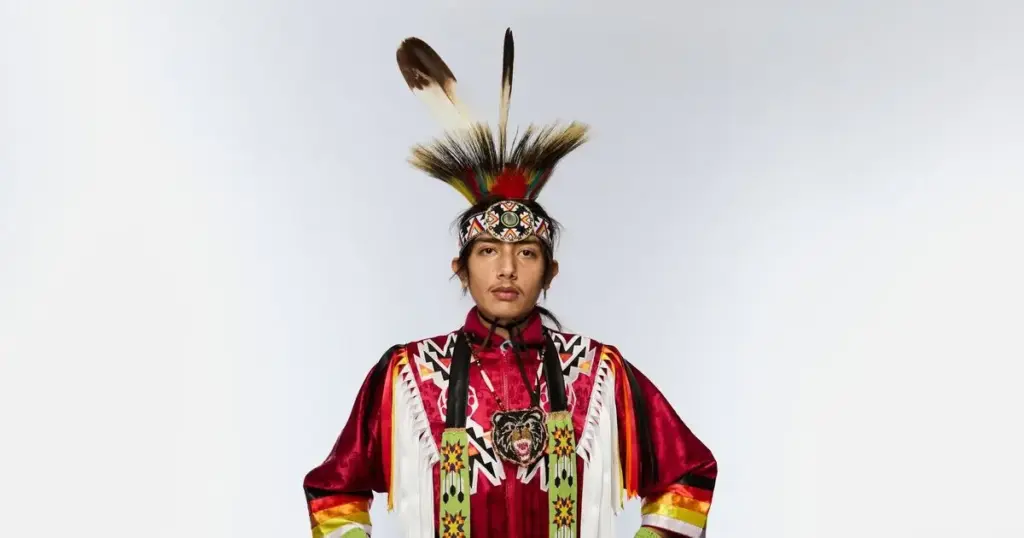
Dancers, artists, and musicians gathered to drum, sing, and compete in dance contests.
It is a crisp autumn day in Brooklyn, but inside Prospect Park, the atmosphere is electric with the booming cadence of traditional drums, the resonant harmonies of collective singing, and the rhythmic footfalls of dancers moving in time with generations of heritage. This is the setting for a vibrant Lenape powwow, a dynamic gathering where Indigenous communities from across the region and beyond come together to celebrate culture, resilience, and community. Captured through the lens of photographer Frankie Alduino and reported by Jeremy Rellosa for The Look Book, the event offers a vivid snapshot of contemporary Indigenous life set against the sprawling backdrop of New York City.
For many attendees, the gathering functions as more than just a cultural exhibition; it is a vital community touchpoint. Howard Crouse, a tenth-grader from Salamanca who attended the event, describes the scale and energy of the experience with a straightforward clarity. “It’s like a big ol’ gathering. Almost like a concert, but for us,” he says.
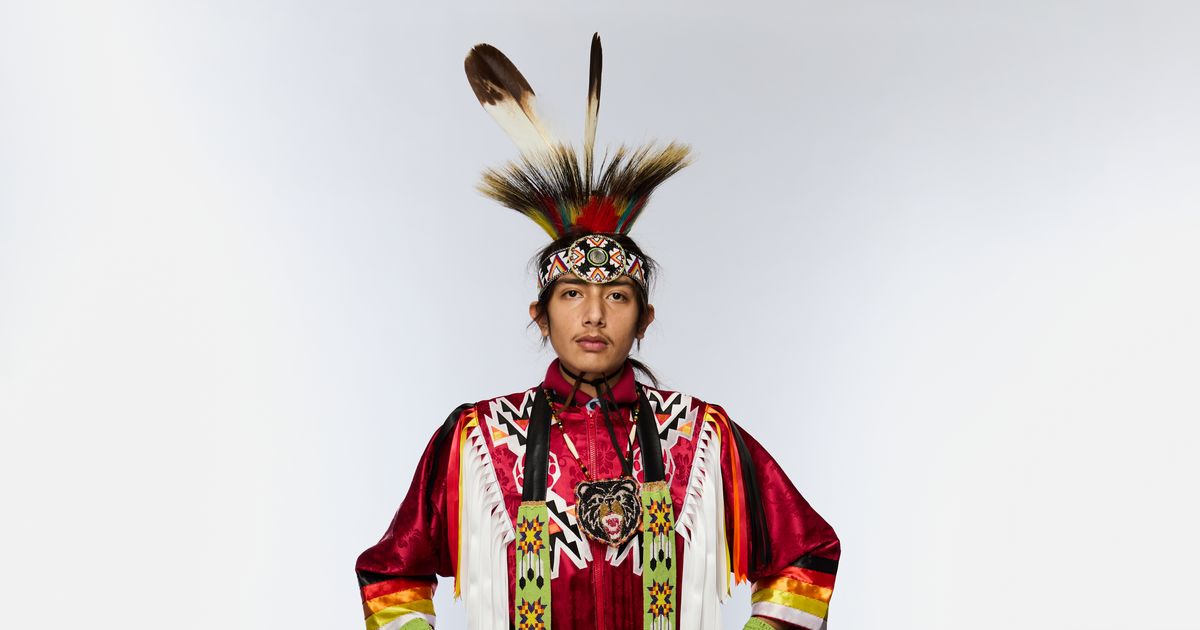
While Crouse identifies as Seneca—noting that events of this specific scale are not traditionally part of his immediate nation’s customs—he participates for the joy of the community and the preservation of movement. Among the specific traditions maintained within his background is the smoke dance, a fast-paced contest dance historically utilized to clear smoke from traditional longhouses. “Our feet would make the smoke rise and push it out,” he explains, noting that winning such a contest requires nothing less than the best moves and swift, precise footwork.
The gathering draws participants of all ages, from kindergarteners to seasoned cultural keepers, each representing different tribal nations and regional traditions. Among them is Cory Ridgeway, a program specialist from Cedarville, New Jersey, whose detailed regalia highlights the intricate artistry embedded in the gathering. Examining the garments worn at the powwow reveals a rich tapestry of historical techniques blended with modern expressions. “You’ll see a lot of different floral work on mine, which usually means the person wearing it comes from a woodland area,” Ridgeway explains. “There’s ribbon work down the front of mine, which is very traditional for Lenape people. But we also use contemporary fabrics and designs.”
This blend of deep historical roots and modern vitality is a recurring theme throughout the park. For participants like Mathyias “Kûkûlûksit Tûme” Ellis, a high school senior from Bridgeton, New Jersey, the performance itself is an embodiment of storytelling through movement. Describing his regalia and his chosen performance style, Ellis explains his role as a prairie chicken dancer. “The dance I’m doing is supposed to resemble a rooster during mating season trying to get the girls’ attention. It’s all flashy moves,” he says.
Yet beneath the vibrant colors of the regalia and the celebratory energy of the dance competitions lies a profound narrative of historical endurance. Kiara Tanta-Quidgeon, an Indigenous-health researcher based in Boston, Massachusetts, points out the deeper significance of the gathering for anyone attending a powwow for the first time. “This is an active revitalization for our communities,” Tanta-Quidgeon notes. “For a long time, there was a legal prohibition of our dances by the colonial government. The fact that we’re still out here and doing this despite hundreds of years of that suppression is a really beautiful thing.”
That generational resilience is echoed by Janiyakuha Webster, a cultural keeper from Bowler, Wisconsin, who reflects on the hidden barriers families had to cross to maintain their heritage. Keeping these traditions alive has required confronting painful legacies. “For many years, my family wasn’t able to speak our language,” Webster shares. “My great-grandparents would go into the basement to talk, and they wouldn’t let the kids down there. So there are a lot of cycles that people have to break now because of our generational trauma.”
The experience of carrying Indigenous identity within modern urban spaces also shapes the perspective of attendees like George Stonefish, a consultant from East New York. Reflecting on his upbringing, Stonefish recalls growing up on 82nd Street in Manhattan—where athletic legends like Joe Namath lived just around the corner—while spending summers with his grandmother in Canada to learn traditional ceremonies and powwows. That dual upbringing, he explains, fostered a unique versatility. “It taught me to be versatile,” Stonefish says. “I can deal with rich white people and I don’t get intimidated. And then I go to a reservation and I fit right the fuck in.”
As the gathering in Prospect Park continues through the afternoon, the space becomes a living archive of names, hometowns, and identities: Calista Hare and Merna Hare from Marty, South Dakota; Kai’Lyn “Chitanmãewtu Hãetapit” Ellis and Li’Ana “Wisachulãenstet” Ellis from Bridgeton, New Jersey; Wanbdi Iron Elk and Azilya Brings Plenty, also from Marty; Osahpekwe Ridgeway from Cedarville; James Shepard from Bowler; Rob DeGaetano from Douglas, Massachusetts; Sookunon Nushkeesuqot from Southampton; Alyssa Mosley from Bushwick; Cassidy Robideau from Manawan, Canada; and Aiden Ford from Millville, New Jersey.
Together, their presence in the heart of Brooklyn underscores a living, breathing continuity. Through drumming, dancing, intricate regalia, and the sharing of ancestral knowledge, the Lenape powwow in Prospect Park serves as a powerful testament to a culture that continues to thrive, adapt, and reclaim its space in the modern world.