The international art world finds itself at a complex juncture this week, balancing the high-stakes glamour of major commercial fairs against a backdrop of geopolitical volatility and shifting institutional legacies. As the industry navigates the closing months of 2026, the intersection of art, politics, and historical preservation has taken center stage from the streets of Paris to the halls of Bogota.
In the Spotlight: Art Basel Paris and the Climate of Unrest
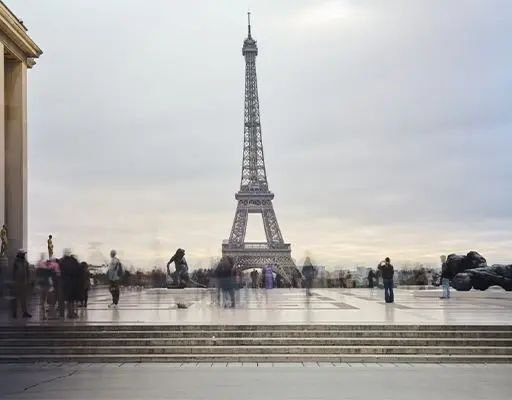
The prestigious Avant-Première preview of Art Basel Paris served as a stark reminder of the art market’s resilience in the face of public instability. Despite an escalation in anti-government protests, riots, and widespread looting across various French cities, the fair managed to draw a robust cohort of major international collectors. The juxtaposition of high-value transactions against the backdrop of civil unrest highlights the unique position of the global art market, which often functions as an insulated ecosystem even when external crises threaten the stability of the host city.
The successful launch of the preview suggests that, for the world’s most elite buyers, the allure of blue-chip acquisitions remains a priority even amidst a challenging domestic landscape. This resilience, however, raises ongoing questions about the role of large-scale cultural events in cities currently grappling with significant social and political tension.
Meanwhile, in Italy, a major shift in the management of cultural heritage is underway. Billionaire collector François Pinault has announced a definitive change in the operation of Venice’s historic Palazzo Grassi. Moving forward, the palazzo will house a permanent display of the Pinault Collection, effectively bringing an end to the institution’s celebrated program of temporary, rotating exhibitions. While this decision secures a long-term home for a world-class private collection, it marks the conclusion of an era for those who frequented the venue for its diverse and frequently changing curatorial projects.
Across the Atlantic, the intersection of art and identity has sparked intense debate. In Bogota, the National Museum of Colombia has become a flashpoint for protest following the removal of more than 30 objects from its collection. According to reports from the digital news source Colombia One, these items were specifically noted for their connection to the struggles of the LGBTQ+ movement, feminism, and the political left. The removal of these artifacts triggered immediate public outcry, with demonstrators gathering outside the museum over the weekend to demand transparency and the restoration of objects they view as essential to the nation’s contemporary historical narrative.
Institutional Shifts and New Acquisitions
While international headlines have been dominated by protests and collection changes, the institutional world continues to focus on long-term acquisitions and leadership transitions. The Tate has made significant strides in broadening the scope of the national collection through the Frieze Tate Fund 2026. By acquiring works by Michaela Yearwood-Dan and Luis Fernando Zapata, the museum has successfully brought both artists into the national holdings for the first time. This initiative, facilitated by the partnership with Frieze London and Frieze Masters, underscores a concerted effort by major public institutions to ensure that the national collection reflects the diversity and vitality of contemporary artistic practice.
In the United States, the art community is preparing for a landmark event: the inaugural Art Week NYC. Scheduled for next month, the initiative represents a major collaborative effort, with more than 80 museums and galleries committed to participating. Over the course of four days, the city will host an expansive series of exhibitions, gallery tours, and critical discussions intended to foster deeper engagement with the arts. The event aims to consolidate the city’s fragmented cultural offerings into a unified program, highlighting New York’s central role in the global art market.
Across the Atlantic, Liverpool’s Bluecoat—England’s oldest art centre—is also looking toward the future. In preparation for its centenary in 2027, the institution has appointed Emer Grant as its first-ever creative director. This strategic hire is expected to play a pivotal role in shaping the center’s programming and vision as it approaches its hundredth year, signaling a commitment to both its historical legacy and its ongoing relevance in the contemporary art sector.
The Auction Block and the Rising Value of Abstraction
The auction market continues to show a keen appetite for historic abstraction. In Stockholm, all eyes are on an upcoming sale at Bukowskis, where a painting by the pioneering Swedish artist Hilma af Klint is expected to draw significant attention. The work, titled Ser III No.5 and dating from 1920, is currently estimated to sell for between $600,000 and $800,000. Given the rarity of af Klint’s abstract works appearing at public auction, industry observers anticipate that the final hammer price could potentially set a new record for the artist, reflecting her sustained and growing influence on the history of modern art.
Biennales, Curatorial Voices, and Recognition
The landscape of biennial programming is also seeing significant leadership updates. The Biennale de Lyon has announced that Hélia Paukner will take over as artistic director, effective February 1, 2027. Her appointment comes at a time when major international biennials are increasingly focused on defining their distinct curatorial voices in a crowded field.
In Paris, the boutique-style contemporary art fair Asia NOW is similarly focusing on the importance of curation through its "New Voices" initiative. By spotlighting emerging curators and South Asian artistic practices, the fair is positioning itself as a vital platform for the diaspora, fostering connections between Asia and the global art market. This emphasis on curatorial talent serves as a counterpoint to the purely commercial interests that often drive fair programming, offering a more nuanced exploration of regional practices.
Finally, the season has brought significant recognition to the Irish art scene. Patrick Graham and Cathy Wilkes have been named the winners of the inaugural Francis Bacon Awards for Irish Visual Arts, an honor conferred during the Dublin Gallery Weekend. The award recognizes the significant contributions of both artists to the visual arts landscape, providing a moment of celebration for Irish creativity and reinforcing the importance of supporting established artists who continue to push the boundaries of their respective practices. As the year draws to a close, these developments—ranging from institutional appointments to the recognition of individual artistic achievements—highlight an art world that is as much defined by its commitment to historical preservation and social dialogue as it is by the shifting dynamics of the global market.