Gardening in the Mountain West presents a unique set of environmental challenges, from severe sub-zero winters and heavy snowpacks to blistering summer heat, unpredictable moisture levels, and intense winds. For those cultivating northern landscapes, finding resilient plants that can withstand these shifting extremes while still delivering exceptional aesthetic appeal is an ongoing pursuit. To help gardeners navigate these rigorous conditions, experienced northern gardener and writer Amy Grisak has shared four standout perennial and shrub selections proven to thrive in the region.
Operating from her base in Montana, Grisak has spent years observing how various species adapt to the demanding climate of the northern landscape. Her curated recommendations range from vibrant perennials that support local pollinators to hardy shrubs offering multi-season interest. Whether designing a new garden layout from scratch or looking to refresh an existing landscape bed, these four selections offer a reliable path toward vibrant color, structural integrity, and long-term durability.
‘Giddy Pink’ Coneflower
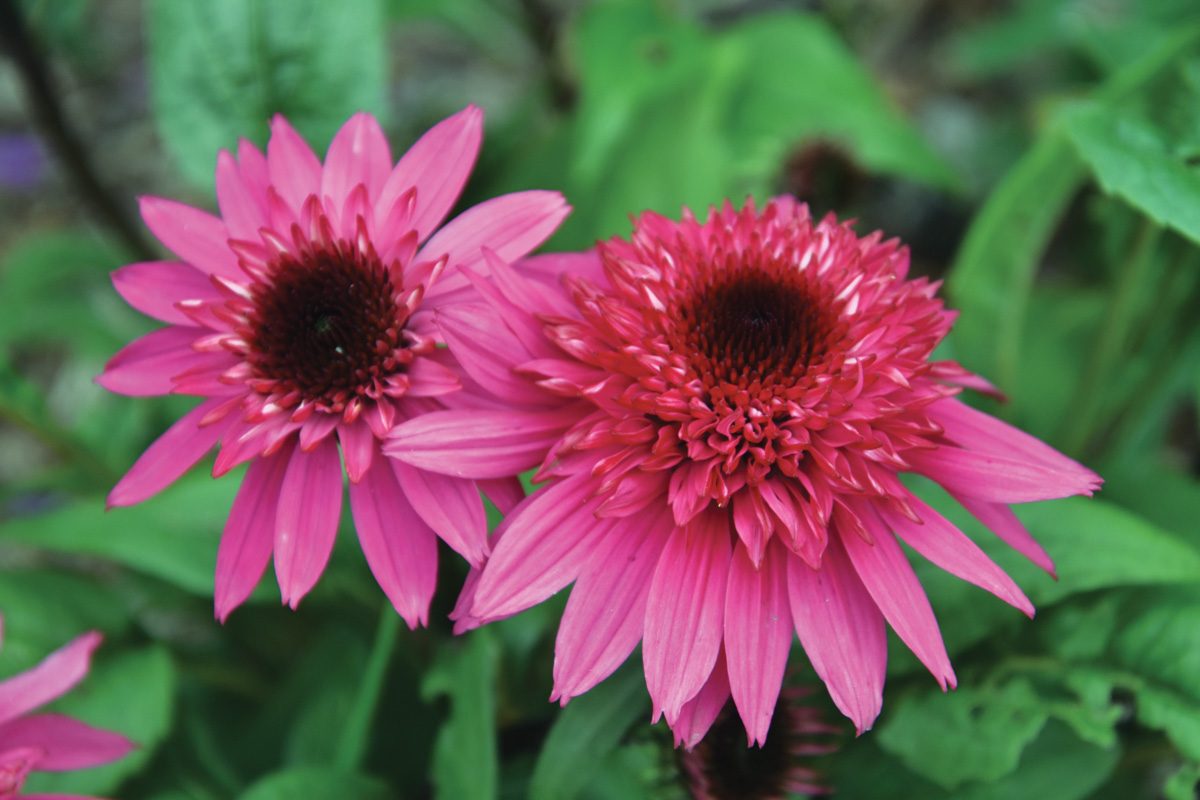
Among the standout herbaceous perennials highlighted by Grisak is the ‘Giddy Pink’ coneflower. Known formally within the Echinacea genus, this cultivar immediately commands attention through its vibrant pink double flowers. Set against deep green foliage, the blossoms are held firmly on well-branched stems that prevent the plant from looking floppy or unkempt.
The cultivar features a neat, mounding habit that creates a striking visual impact when planted in groupings. Grisak notes that spacing the plants roughly 20 to 24 inches apart allows them to fill in a garden bed effectively while maintaining good air circulation. For gardeners looking to maximize flower production, a simple maintenance routine goes a long way. Cutting back spent flowers to the next set of leaves encourages the plant to maintain a continuous bloom cycle, serving as what Grisak describes as a "blooming butterfly buffet" straight through the summer months.
As the growing season winds down in late August, the management strategy shifts from promotion to preservation. Leaving the late-season flowers standing provides a vital natural food source for local wildlife. Goldfinches, chickadees, and other small birds rely heavily on the remaining seed heads as autumn approaches. Once established, ‘Giddy Pink’ reliably produces its knockout blooms from the onset of early summer right up until the first frost.
‘Freya’ Clustered Bellflower
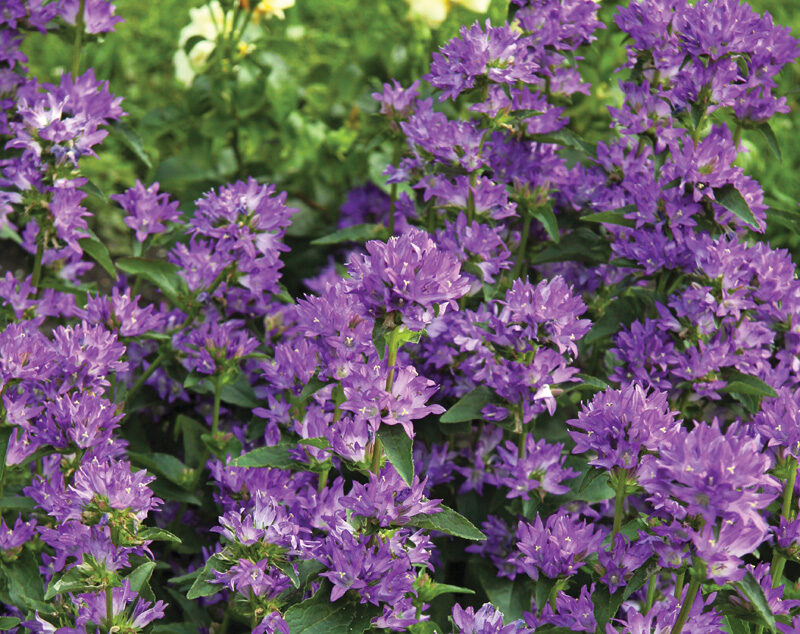
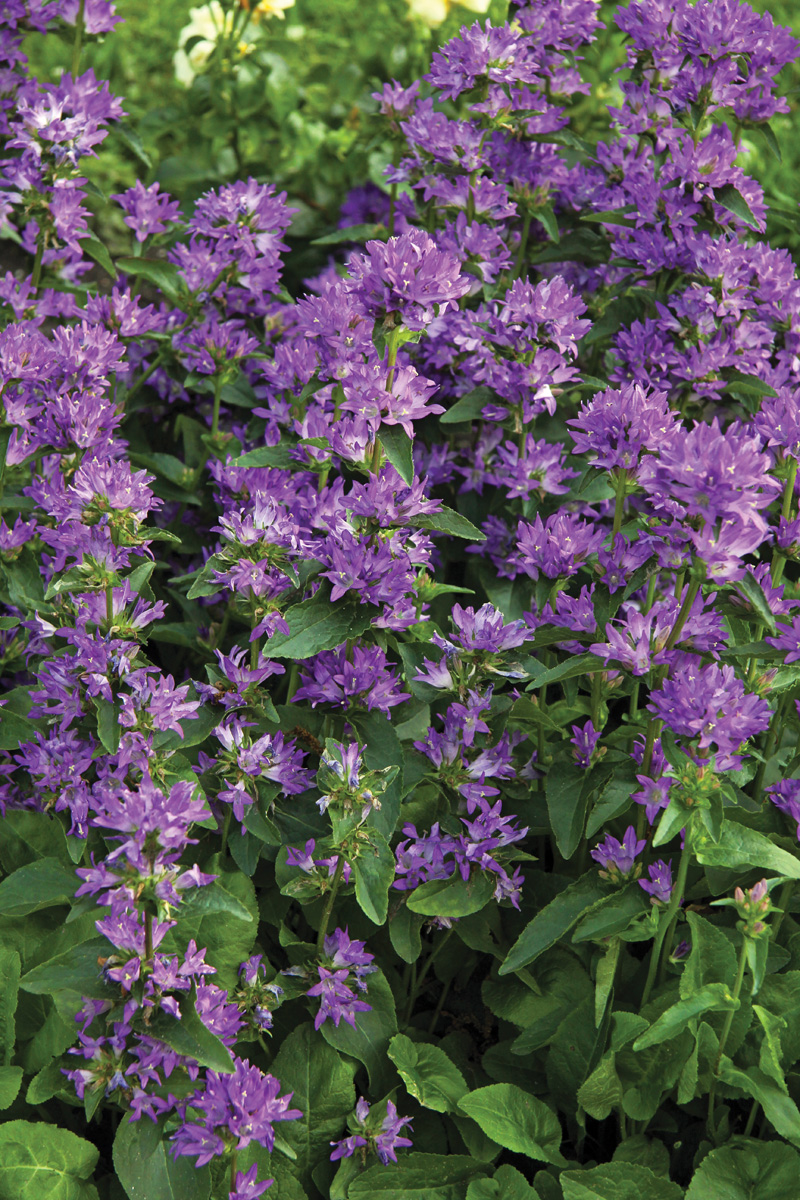
For gardeners seeking reliable color during the transition from spring to summer, the ‘Freya’ clustered bellflower offers a refined option with strong regional performance. Clustered bellflowers have long maintained a following among northern growers due to their prolific, eye-catching blooms that arrive earlier in the season than many standard summer perennials.
The ‘Freya’ cultivar elevates this seasonal display by producing dense bunches of star-shaped blossoms that fill the top third of its stems. Crucially for windy northern environments, these sturdy stems do not require staking, making maintenance straightforward and providing an excellent source of cut flowers for indoor arrangements. The blooming period typically begins in late spring and extends until the onset of midsummer heat. Gardeners looking to stretch the display slightly can plant them in partial shade, which helps prolong the season.
While some bellflower cultivars are known to aggressively reseed across a garden bed, ‘Freya’ exhibits a much more manageable temperament, though Grisak still recommends pruning spent stalks back to the base foliage to maintain a tidy appearance. Beyond its aesthetic qualities, the plant serves as a functional addition for wildlife-friendly spaces. It is both deer-resistant and highly attractive to local pollinators, making it a practical choice for properties facing browsing pressure from local wildlife.
‘Amy Jo’ Itoh Peony
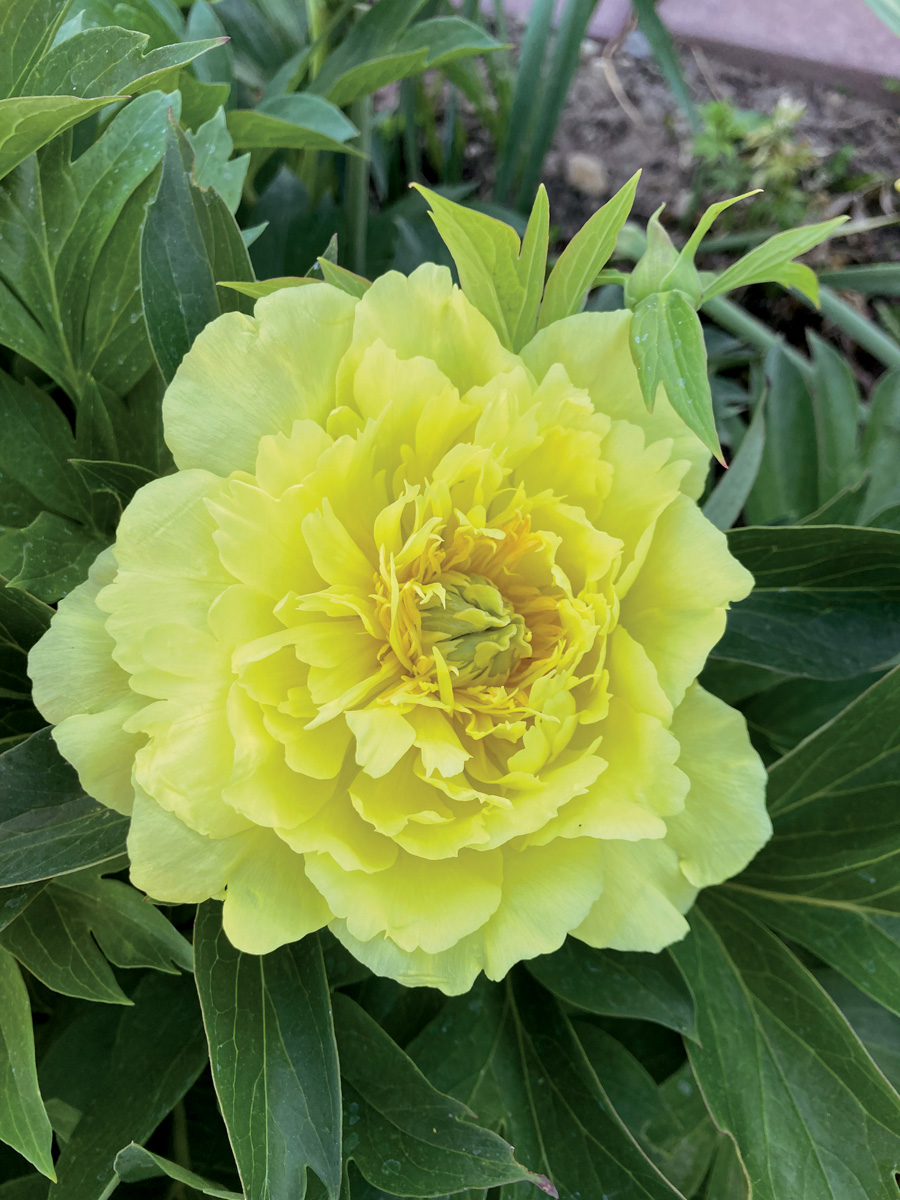
Few plants offer the longevity and weather-resilience demonstrated by the ‘Amy Jo’ Itoh peony. Having anchored Grisak’s front garden for over 15 years, this specific specimen has not merely survived but thoroughly thrived through extreme environmental volatility, including sub-zero winter temperatures, heavy snowpacks, periods of sparse snow cover, excessive moisture, drought, and intense summer heat waves.
Itoh peonies, frequently referred to as intersectional peonies, represent a hybrid cross between herbaceous and tree peonies. Regardless of the seasonal conditions, ‘Amy Jo’ reliably emerges every year in early June, heavy with opulent yellow double blooms that can reach the size of an adult hand.
Beyond their striking coloration, Itoh peonies offer several distinct structural advantages over traditional herbaceous varieties. They possess a robust, woody-based habit that eliminates the need for staking, even when laden with massive double blossoms. Furthermore, they boast exceptional cold hardiness, lush and healthy foliage throughout the growing season, and exotic yellow and apricot color profiles that are otherwise difficult to find within strictly herbaceous peony classes.
Amber Jubilee® Ninebark
To provide architectural structure and multi-season visual interest, the Amber Jubilee® ninebark brings proven northern resilience to the landscape. Developed originally in Manitoba, Canada, the shrub is inherently engineered to withstand harsh winter conditions.
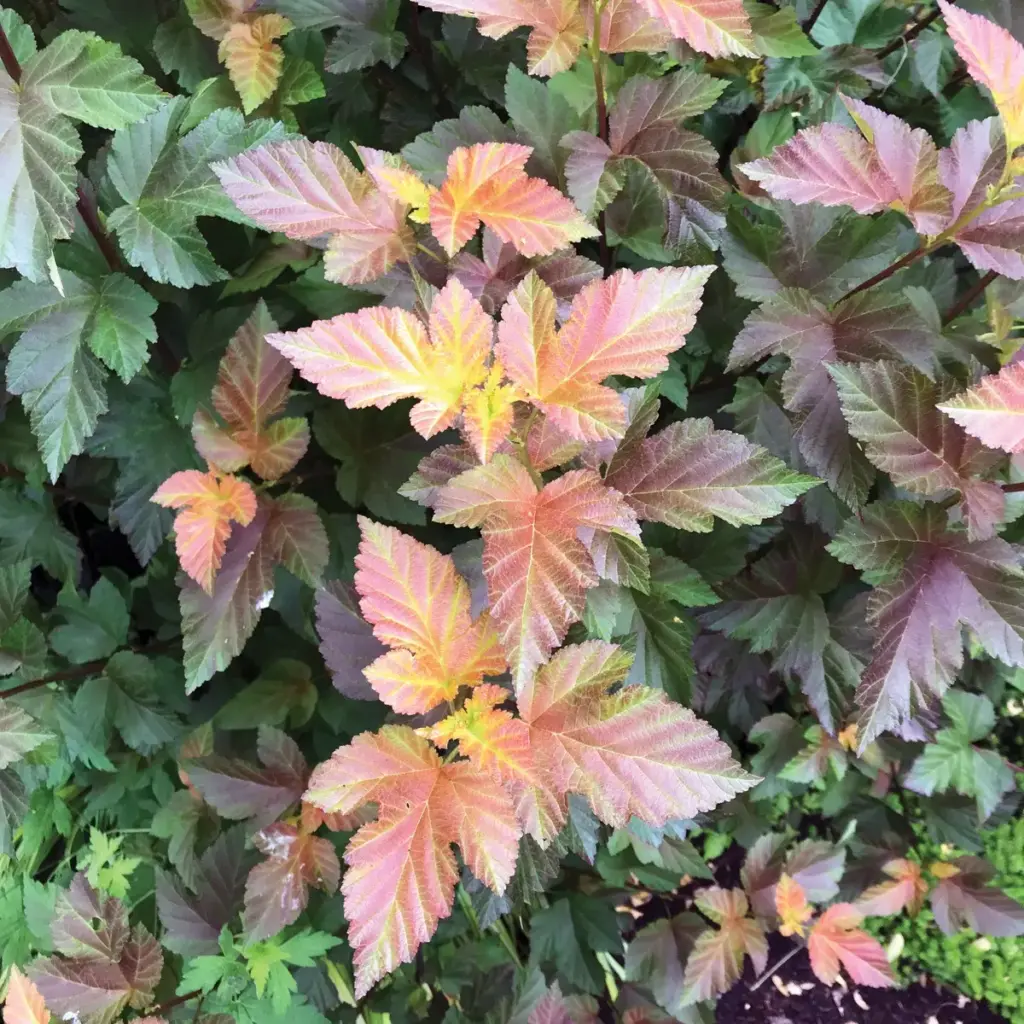
The plant’s lifecycle begins in late spring to early summer when clusters of deep pink flower buds open into delicate white-petaled blossoms. However, the true defining feature of the shrub is its dynamic, ever-changing foliage. New growth emerges in spring as a rich orange hue accented by prominent yellow veins. As the season progresses into summer, the leaves transition to a clean green before culminating in a dramatic transformation to deep reds and bronzy purples during the autumn months.
Once the foliage drops for the winter, the shrub continues to contribute to the landscape through its deep red branches and distinct peeling bark, which adds essential winter texture to dormant garden beds. Because of its dense, upright growth habit, Amber Jubilee® functions exceptionally well as a hedge or screening element.
From a practical cultivation standpoint, the shrub demonstrates strong adaptability. It tolerates clay and wet soil conditions and possesses the rare ability to grow successfully near black walnut trees, which produce juglone—a chemical compound that inhibits the growth of many common garden plants. While considered more disease-resistant than older ninebark varieties, growers are advised to monitor for common issues such as powdery mildew and fire blight as the plants mature.