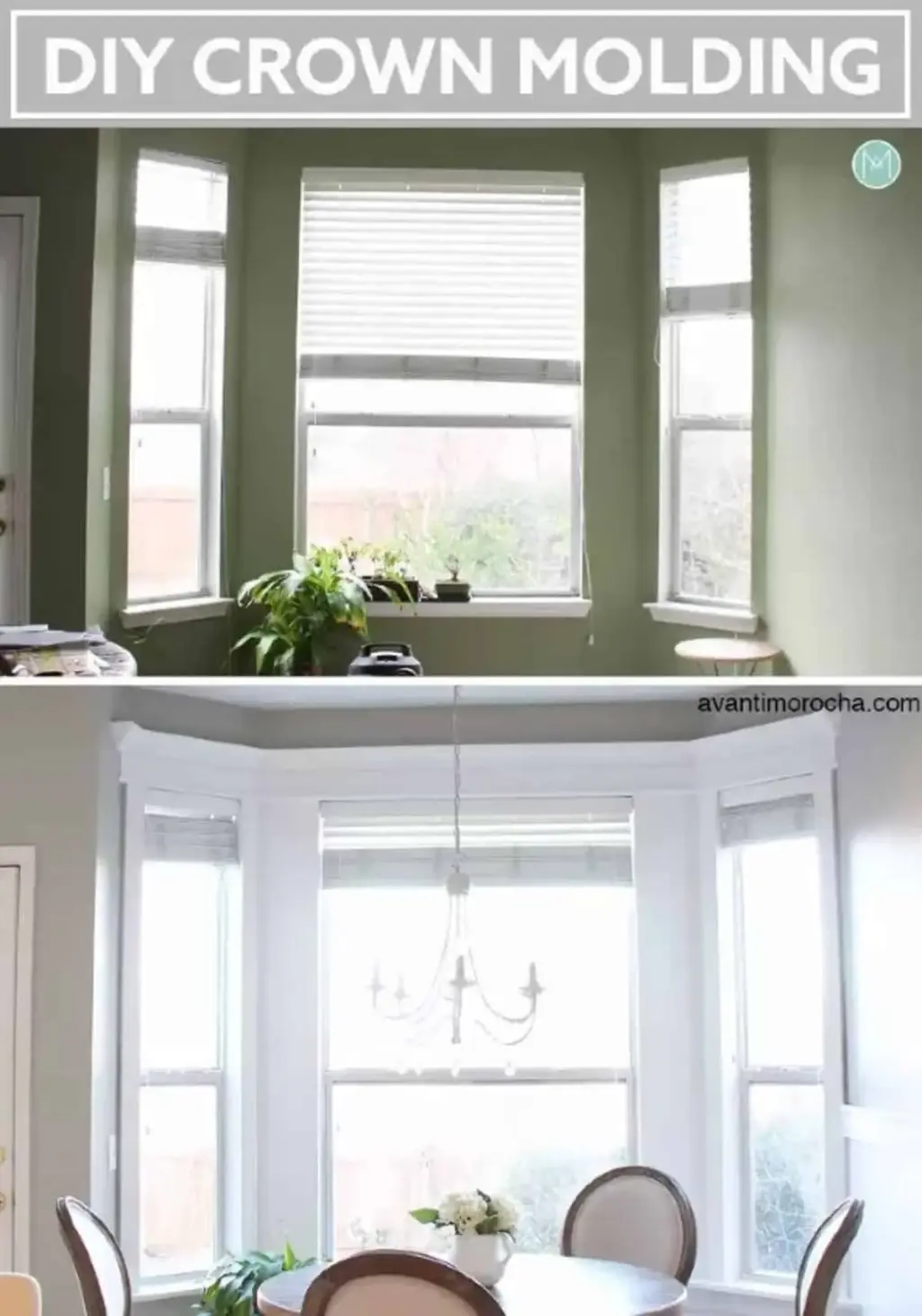
Crown molding has long been celebrated as one of the most effective architectural details for elevating the style and sophistication of a room. Beyond its aesthetic appeal, this elegant trim serves the practical purpose of seamlessly concealing imperfections where walls meet ceilings. However, despite its timeless charm, traditional crown molding has historically presented significant hurdles for homeowners. The materials can be costly, and the intricate installation process—particularly the notoriously difficult task of cutting precise angles and hiring a professional carpenter—frequently places the project out of reach for budget-conscious renovators.

In response to these financial and technical barriers, a growing movement of do-it-yourself enthusiasts is turning to innovative products and creative installation techniques. Industry roundups and home improvement resources have increasingly highlighted alternative methods that allow residents to transform their living spaces without breaking the bank or straining their backs. By utilizing modern materials such as lightweight foam, peel-and-stick products, and clever layering hacks, homeowners are discovering that measuring, cutting, and installing crown molding can be an approachable and rewarding weekend project.

The appeal of contemporary DIY molding extends far beyond simple cost savings. Adopting these alternative methods gives homeowners the creative freedom to experiment with various architectural effects that can completely alter the proportions and atmosphere of a room. Creative individuals are utilizing lightweight trims to construct intricate visual elements such as coffered ceilings, sophisticated tray ceilings, and elegant wall frames. Furthermore, these installations can be further customized and enhanced by incorporating ambient LED lighting, statement wallpaper, or delicate stenciling. Because many of the products currently entering the market are designed to be pre-cut, self-adhesive, or lightweight, the barrier to entry for novice DIYers has dropped significantly.

Whether a homeowner aims to establish a classic, traditional aesthetic, a sleek modern look, or a warm rustic atmosphere, the current market offers a wide array of options suited to diverse tastes and financial plans. Exploring these alternative approaches reveals a world of possibilities for those looking to refresh their interiors.

Market offerings have expanded to include specialized products designed to simplify the renovation process. Among the options frequently highlighted by design experts is the Ekena Millwork Tristan Crown Moulding, an intricate product engineered to revamp plain spaces while offering easy installation, painting, and maintenance. Crucially for older or more humid homes, such synthetic millwork options are often moisture-proof and rot-proof, ensuring long-lasting aesthetic appeal without the high upkeep demanded by traditional timber.

For those looking to combine utility with classic design, some DIYers have turned to building custom crown molding wall shelves. Utilizing basic timber boards, wood glue, finishing nails, and paint, homeowners can construct functional shelving units that nestle directly against the upper wall, introducing both increased storage and architectural charm. Similarly, achieving a contemporary aesthetic has become more accessible through simplified guides that rely on foam, construction adhesive, caulk, and paint to craft modern crown molding profiles capable of impressing guests without requiring heavy carpentry tools.

Manufacturers have also capitalized on the demand for lightweight, hassle-free materials. Products like A La Maison Ceilings DIY Glue-up Foam Crown Molding provide an easy-to-install alternative featuring traditional details like dentil designs, which lend rooms an instant air of historic charm. Because these foam products are remarkably lightweight and water-resistant, they frequently eliminate the need for traditional nails or screws, relying instead on specialized adhesives. Similar benefits are found in classic cornice moldings from brands like Orac Decor, which deliver traditional architectural detailing without requiring heavy lifting, priming, or undercoating.

Traditional woodworking techniques remain popular for those who prefer building elements from scratch. Detailed tutorials often demonstrate how to mill custom crown molding using a table saw, enabling woodworkers to completely customize the dimensions, thickness, and profile of the trim to match the exact proportions of a room. For miniature enthusiasts working on small-scale projects, specialty suppliers even offer scaled basswood Ogee crown molding, proving that the desire for detailed trim work spans everything from full-sized residences down to miniature dollhouses.

Beyond standard wood and heavy plaster, specialized foam products have revolutionized how homeowners approach difficult spaces. Comprehensive crafting guides regularly explore the versatility of foam as a primary medium for home decor, detailing the various adhesive types, cutting tools, and finishing techniques required to achieve professional results. This versatility extends to challenging architectural environments, such as installing crown molding directly over existing tile surfaces—a feat accomplished through clever framing with thin wood boards and nails to create a stable mounting surface.

Corbel-enhanced foam moldings and peel-and-stick options further streamline the renovation process. Architectural product lines from manufacturers like Outwater provide sample-sized and full-length peel-and-stick foam moldings featuring classic dentil patterns, allowing individuals to test adhesive strengths and visual impacts before committing to a full room renovation. Companies like Creative Crown offer smooth, flat-back foam moldings that are fire-rated, paintable, and exceptionally easy to position against flat wall and ceiling junctions.

One of the most persistent challenges in any molding project is achieving clean, seamless joints at the corners. To alleviate the frustration of manual miter cuts, specialty retailers now offer pre-made foam crown molding corners tailored to specific sizes, such as standard four-inch or low-profile three-inch dimensions. These pre-formed inside and outside corners can be secured using simple caulk or adhesive, bridging the gap for novices who might otherwise struggle with compound miter saws.

Kitchen renovations have also seen a shift toward faux and simplified trim work. Bloggers and home improvement writers frequently demonstrate how to simulate high-end kitchen cabinet crown molding by combining simple one-by-two lumber boards with lightweight foam cove molding. Through careful measuring and straightforward gluing techniques, homeowners can successfully bridge the awkward gap between the top of their kitchen cabinetry and the ceiling, achieving a built-in, custom-cabinet finish at a fraction of the cost.

Other popular home improvement hacks focus on creating the illusion of heavy, custom millwork by layering multiple budget-friendly trim pieces together. By combining a standard profile with a secondary base molding and creating a faux shadow line, renovators can fake the appearance of thick, heavy crown molding. Similarly, utilizing pre-made corners combined with flat stock boards allows installers to bypass traditional compound cuts entirely, saving significant time and reducing material waste.

Ultimately, these diverse strategies reflect a broader shift in residential interior design. As professional labor and material costs continue to rise, homeowners are increasingly empowered by accessible products and creative ingenuity, proving that sophisticated architectural details are no longer reserved for high-end custom builds.